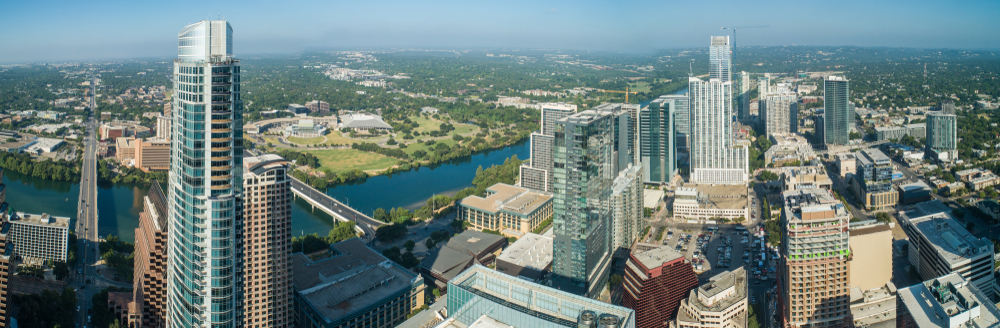
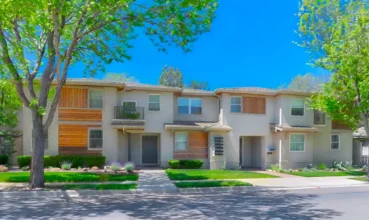
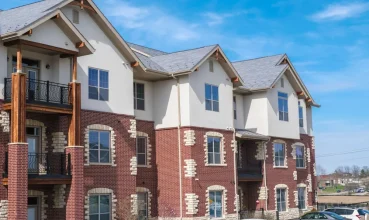
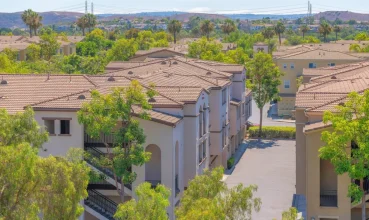
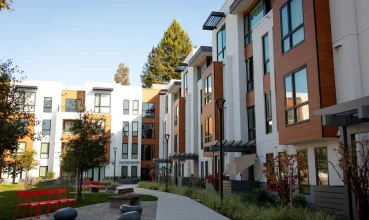
Driving through Austin and the city’s rapid growth is impossible to miss. Construction cranes dot the skyline, new apartment towers rise downtown, and townhome and suburban developments stretch into the surrounding areas. This surge in building has often been blamed for falling rents and what some call a “saturated” rental market. But according to Robert Wall, managing partner at Verdot Capital and a longtime Austin developer, this construction boom was both intentional and necessary.
“The story that nobody talks about is they built a lot because they knew the demand was coming,” Wall says. He points to Austin’s record absorption rates and its status as one of the fastest-growing cities in the country as evidence that the region’s aggressive building was a calculated response to surging population growth, not a misstep.
The trend is even more pronounced in Austin’s suburbs. Cities like Leander and Kyle are among the top five fastest-growing in the United States. Developers anticipated the influx and ramped up construction to meet it.
What’s Happening in Austin’s Rental Market
Right now, Austin renters are seeing lower prices and more choices than at any time in recent years. Rents have declined, new apartment buildings are offering concessions such as free months or waived fees, and some landlords are cutting prices to fill empty units. On the surface, this looks like a classic case of overbuilding — too many new apartments chasing too few tenants.
Wall, however, argues that the current softness is temporary. Developers built for the city’s future population, but many new units hit the market at once, creating a short-term oversupply. He explains that it takes time for population growth to absorb the new inventory, but the demand is real and ongoing.
“It’s going to take a while to absorb, but it will absorb,” Wall says. He predicts that by 2027, Austin will see rents spike again as the city’s growing population catches up with the available supply.
Why This Matters
For renters, Austin’s current market is unusually favorable. Landlords are motivated to fill vacancies so that tenants can negotiate for lower rents, better terms, or extra incentives. Unlike just two years ago, when bidding wars were common and renters had little leverage, today’s market allows for more time and choice.
However, this window of opportunity is closing. As population growth continues and the current crop of new apartments is leased up, rents are likely to rise quickly. New construction is already slowing, and the city’s economic fundamentals remain strong — jobs are still being created, and people are still moving to Austin.
Buyers are seeing a similar dynamic. Home prices have softened as inventory has increased, giving buyers more negotiating power than they’ve had in recent years. But the long-term outlook remains positive. If you’re planning to buy in Austin, the current conditions offer more flexibility and opportunity than will likely exist once the market tightens again.
Austin’s Approach in a National Context
Austin’s building boom stands in contrast to cities that have failed to add enough new housing. In places like Cleveland, Buffalo, and San Jose, rents are rising because supply has lagged behind demand. These cities are now playing catch-up, and tenants face higher costs as a result.
Cities that built aggressively, including Austin, are experiencing short-term declines in rents, but these are expected to be temporary. Wall emphasizes that the difference lies in whether a city overbuilt relative to demand or built ahead of demand in anticipation of future growth. Austin falls into the latter category — the people who will fill these units are coming, just not all at once.
What Everyone Should Do Now
For renters: Take advantage of current conditions while you can. Negotiate for rent reductions, concessions, or waived fees. If you plan to stay in Austin long-term, locking in a lease now could save you hundreds of dollars per month in a few years, when rents are expected to rise.
For buyers: Don’t expect home prices to keep falling indefinitely. If you’re ready to purchase, now is a good time to make offers below the asking price and negotiate repairs or closing-cost credits. Sellers are more flexible than they were during the recent boom.
For investors: The current dip in rents presents an opportunity to acquire Austin rental properties at lower prices. The city’s fundamentals — strong population growth, job creation, and a slowdown in new construction — suggest that rents and property values will appreciate once the current supply is absorbed.
Looking Ahead
Austin’s decision to build aggressively has resulted in lower rents and more options for renters today, but this is a temporary phase. The city did not overbuild; it built ahead of a well-documented surge in demand. As population growth continues and new construction slows, the excess supply will be absorbed, and rents are likely to climb quickly.
For now, renters and buyers have rare leverage in the Austin market. But that advantage will not last. The lesson from Austin’s experience is clear: building ahead of demand provides short-term relief for renters and buyers, but also sets the stage for long-term stability as the city continues to grow.
“The developers did the right thing,” Wall says. “It just all happened at once.”
About the Expert: Robert Wall is managing partner at Verdot Capital, a developer and owner of build-to-rent, multifamily, and senior housing properties across Texas, New Mexico, Minnesota, and Oregon. He specializes in navigating complex entitlements and managing development risk in high-growth markets.
This article is intended for informational purposes only and does not constitute legal, financial, or investment advice. The views and opinions expressed herein reflect those of the individuals quoted and do not represent an endorsement of any company, product, or service mentioned. Readers should conduct their own due diligence and consult qualified professionals before making any investment decisions.