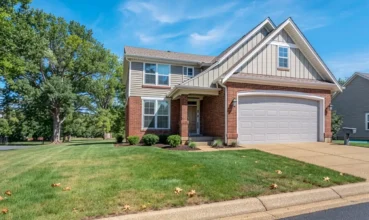
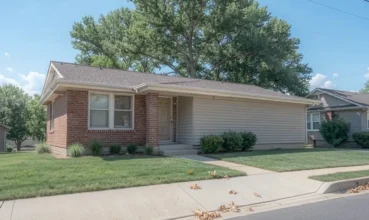
Atlanta’s in-town real estate market has entered a new phase, defined by speed, low inventory, and intense demand. In neighborhoods like Morningside and other areas inside the I-285 perimeter, well-priced homes are going under contract in less than a week — often above asking price — and sometimes closing in as little as two weeks.
Sarah Chatel, team leader at Chatel Group and a longtime expert in Atlanta’s luxury and in-town markets, says the pace is unlike anything she has seen in years. “Any home priced between a million and one-point-five that’s priced right is going under contract in under seven days,” she notes. This pattern is now standard for Atlanta’s most sought-after zip codes.
Where the Market Stands
Inside the perimeter, Atlanta remains a seller’s market. Inventory is tight, and buyer demand is strong, especially for move-in-ready homes priced strategically. Properties needing significant updates or listed above market value are more likely to linger.
Chatel recently listed a Morningside home appraised at $1.35 million. She and the seller chose a list price of $1.25 million. The result: five days on the market, an all-cash sale at $1.4 million, and a two-week closing. A neighboring home followed a similar pattern — pre-listing appraisal, strategic pricing, agent feedback, and a quick sale above asking.
In contrast, some suburban areas outside the perimeter are seeing longer days on market and more price reductions. But within Atlanta’s city limits, the pace remains brisk.
What’s Fueling Demand
Corporate relocations continue to drive demand in Atlanta. Large employers and Fortune 500 companies are moving operations to the metro area, attracted by affordable housing, a strong job market, and a mild climate for most of the year.
The Atlanta Beltline — a 20-mile urban trail connecting neighborhoods, parks, restaurants, and businesses — has become a focal point for in-town living. Originally a student’s urban planning project, the Beltline now underpins the city’s identity, drawing buyers who value walkability, outdoor recreation, and easy access to dining and entertainment.
Outdoor living is central to Atlanta’s appeal. Buyers relocating from colder regions are prioritizing proximity to trails and amenities over extra square footage. As Chatel puts it, “We’re a big outdoor living kind of town.”
Traffic congestion is another major factor. With commutes of just a few miles stretching to 45 minutes during rush hour, buyers are willing to pay a premium to live close to work or family. For many, location is less about convenience and more about necessity.
For Buyers
For those hoping to buy in Atlanta’s in-town market, acting quickly is essential. Homes priced correctly rarely last through the weekend. Pre-approval is a must before touring, and buyers should be prepared to make decisions fast when the right property appears.
While it’s not always necessary to bid over asking immediately, expect competition. Chatel’s approach of pricing just below appraisal creates urgency and draws multiple offers. If a home seems like a deal, it likely won’t be available for long.
Buyers should also inquire about pre-listing appraisals. When a seller uses one, it signals a realistic approach to pricing and can reduce the risk of appraisal issues during escrow.
Finally, buyers need to set realistic expectations about compromises. Move-in-ready homes in top neighborhoods command premium prices. Willingness to take on updates may leave more room for negotiation, but even fixer-uppers are selling faster than in previous years.
Guidance for Sellers
Sellers in the current market must price accurately from the outset. Overpricing leads to homes sitting while similar properties sell quickly, and listings that linger for more than two weeks often raise buyer concerns.
A pre-listing appraisal provides a clear baseline and helps avoid guesswork. Chatel recommends hosting an agent caravan — inviting local agents to preview the home and give pricing feedback. “I had ten agents come in and tell me what they thought the house should sell for. We took an average and listed it, and it sold in five days,” she says.
Presentation is critical. In-town buyers expect homes to be move-in ready or close to it. Sellers should either invest in necessary updates or price the home accordingly. Chatel’s team offers concierge services to help with preparations, and she emphasizes the payoff: “You could get more if you invest a little bit of money in your house.”
Luxury Market Trends
In Atlanta’s $3 million to $4 million range and above, buyer priorities have shifted. Large, showpiece homes are less in demand. Instead, luxury buyers want amenities such as home gyms, outdoor living spaces, convenient airport access, and welcoming layouts.
Chatel observes that buyers are more focused on family and gatherings since the pandemic. “They want a home that welcomes a family or a party, not something that feels like a museum,” she says.
What This Means Going Forward
Atlanta’s in-town market is accelerating, not slowing. Homes priced right and that show well are selling in days, while buyers who hesitate often lose out. Sellers who understand current conditions and adopt strategic pricing are achieving strong results.
The key for both buyers and sellers is preparation and realistic expectations. For buyers, that means acting quickly and being clear about priorities. For sellers, it means pricing accurately, presenting the home at its best, and responding to market feedback in real time. In today’s Atlanta market, speed and strategy determine who succeeds.
About the Expert: Sarah Chatel is the team leader, owner, and agent at Chatel Group, affiliated with Keller Williams Atlanta Midtown and PLACE. With over a decade in Atlanta real estate and a focus on in-town luxury and relocation, she helps clients navigate the city’s fast-paced neighborhoods inside the perimeter.
This article is based on information provided by the expert source cited above. It is intended for general informational purposes only and does not constitute legal, financial, or real estate advice. Readers should conduct their own research and consult qualified professionals before making any real estate or financial decisions.