

Alex Mayer shares why preparation makes all the difference when moving to Minnesota. Rochester, Minnesota, attracts professionals from across the country for career opportunities, quality of...

The Skilled Trades Deserve a Place at the Table When America Talks About Career Success

Written by:
Date:
28 Aug 2026
Share via Facebook

Share via Linkedin

Share via X

Copy to clipboard

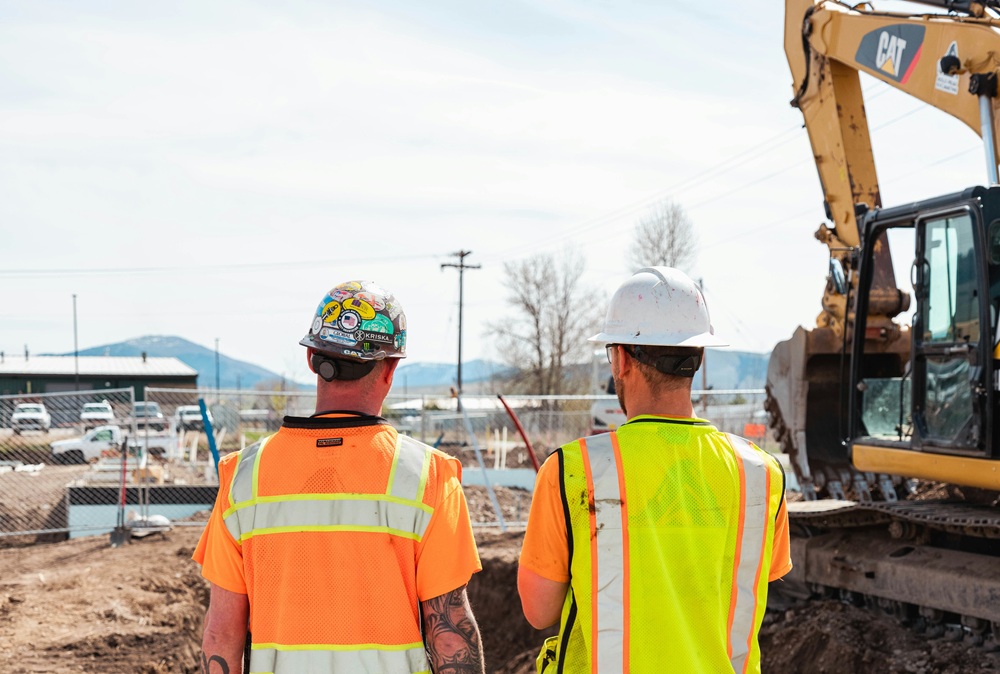
For decades, we have told young Americans a version of success that sounds something like this: graduate high school, go to college, earn a degree, find a good job, and build a career.
There is nothing wrong with that path. College remains the right choice for many. The problem is that somewhere along the way, we began treating it as the only path worth celebrating – and America is now paying the price.
I have spent more than 25 years in the construction industry. I did not begin my career sitting behind a desk or carrying an executive title. I started in the trades, working as a carpenter and equipment operator. I spent years in the field, traveled the country building projects, moved into supervision and management, and eventually became an executive and partner in an 80-year-old construction company building Northwest Florida.
My story is not unique. That is exactly the point.
Across this country, there are men and women who started with a tool belt and eventually became superintendents, project managers, executives, and business owners. There are tradespeople earning excellent incomes, supporting families, and building businesses without following the traditional four-year college route. Yet we still do not talk about those careers the same way we talk about college – and we should.
Construction is facing a workforce challenge that has been building for decades. Contractors across America are competing for skilled workers while an experienced generation of craftspeople moves toward retirement. At the same time, the country needs more housing, hospitals, schools, manufacturing facilities, energy infrastructure, and roads. We cannot build the next generation of American infrastructure without first building the next generation of the American workforce. That starts with changing the conversation.
When a high school student says they want to become an electrician, carpenter, plumber, welder, or equipment operator, that decision should be celebrated with the same enthusiasm we give the student announcing where they are going to college. Parents need to understand that choosing a skilled trade is not choosing a lesser future. Educators and counselors need to present these pathways as equal options to higher education. And employers need to do more – investing in training, apprenticeship, mentorship, and leadership development, and showing employees a career ladder instead of simply offering them a job.
One of the greatest things about construction is that your work becomes part of the community around you. A craft professional can drive past a school and say, “I built that.” They can walk into a hospital knowing they helped create the place where someone’s life was saved. They can take their children past an airport, a bridge, or a community landmark and know their hands helped make it possible. There is dignity in that work, pride in it, and tremendous opportunity in it.
The skilled trades can also be one of America’s greatest entrepreneurial pipelines. A young person can learn a craft, become highly skilled, move into supervision, understand the business side of the industry, and eventually start a company of their own. Many successful construction businesses began exactly that way. That is economic mobility in its purest form.
But solving the workforce shortage requires more than convincing young people that construction is a good career. We have to create a system that supports them once they enter it. That means stronger career and technical education programs, expanding high-quality apprenticeships, better partnerships between schools and employers, teaching financial literacy alongside technical skills, and developing leadership skills before promoting great craftspeople into positions where they are suddenly expected to lead teams. Most importantly, it requires employers to invest in people. If we want loyalty, we have to create opportunity.
This is not an argument against college. It is an argument for options. A student who wants to become an engineer should have a clear pathway to engineering school. A student who wants to become an electrician should have an equally clear pathway into apprenticeship and a career. Neither should be treated as more successful simply because of the path they chose at 18.
I have had the privilege of seeing construction from the ground level to the executive level, and that experience has convinced me of something: some of the greatest untapped talent in America is sitting in classrooms right now, waiting for someone to show them a different possibility. They may not know that the person operating equipment today can supervise a multimillion-dollar project tomorrow. They may not know that an apprentice can become a business owner. They may not know that a career in the trades can provide financial security, leadership opportunities, and the satisfaction of building something that will remain long after the workday ends.
It is our responsibility to tell them.
America does not just need more workers. America needs builders, makers, problem-solvers, and entrepreneurs. For too long, we have defined success too narrowly. It is time to widen that definition and celebrate every pathway that allows someone to build a meaningful career, support a family, create opportunity, and contribute to their community.
America’s future will not only be crafted in boardrooms and classrooms. Someone still has to build it.
About the Author
Kelvin Enfinger Jr. is Vice President at Greenhut Construction and past chair of ABC North Florida. He hosts Beyond the Build, the official podcast of Associated Builders and Contractors North Florida – the region’s leading commercial construction association, and part of the largest private provider network of apprenticeship programs in the country.
This article is based on information provided by the expert source cited above. It is intended for general informational purposes only and does not constitute legal, financial, or real estate advice. Readers should conduct their own research and consult qualified professionals before making any real estate or financial decisions.
Disclosure: Individuals or companies mentioned may have a commercial relationship with KeyCrew.
Similar Articles
Explore similar articles from Our Team of Experts.