

Santa Barbara’s housing market is now sharply divided by price point. Homes under $2 million are selling steadily, with more buyers and more inventory than last year. But at the high end �...

Why San Antonio First-Time Buyers Waiting for Lower Rates May Miss Today's Concessions

Written by:
Date:
25 Aug 2026
Share via Facebook

Share via Linkedin

Share via X

Copy to clipboard

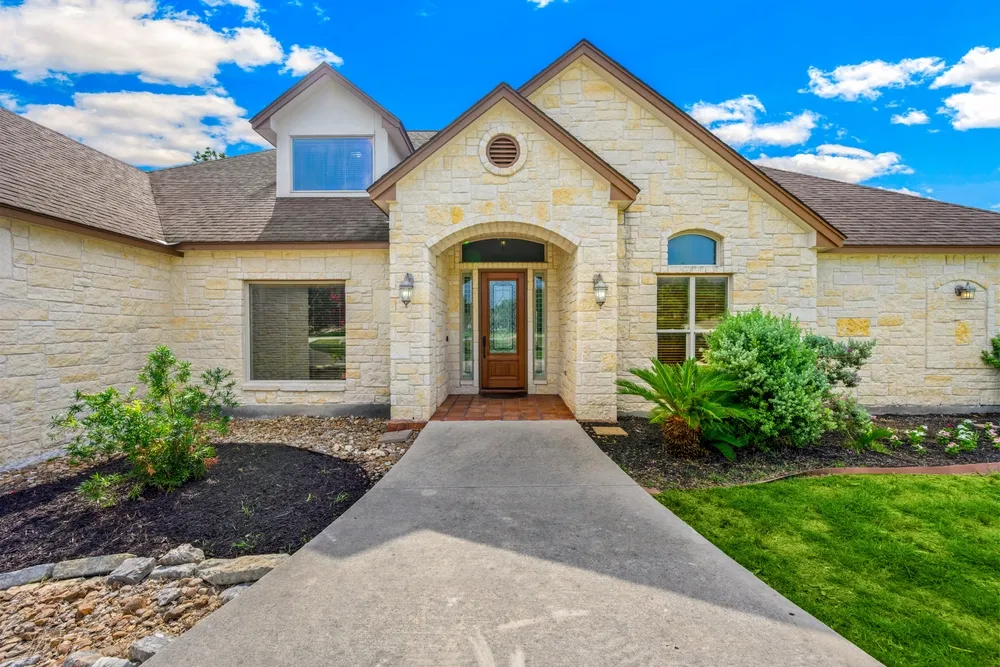
Many first-time buyers in San Antonio are following the same strategy: wait for lower mortgage rates, then buy. But that math may be missing a critical variable. The concessions and builder incentives available today exist precisely because the buyer pool is thin. When rates drop and more buyers enter the market, those perks disappear, and prices rise. The net cost of waiting could exceed the cost of today’s rate, according to Alan Lozano, Co-Founder of Property Hermanos Group at eXp Realty.
Lozano works with first-time buyers across the San Antonio metro. He sees their hesitation daily, along with the opportunity they’re passing up.
What Buyers Get Now
Builders in San Antonio are currently covering closing costs, offering upgrade packages, and in some cases structuring deals where buyers receive money back at closing. Sellers of existing homes are agreeing to concessions, such as covering buyer costs, accepting repair requests, and negotiating on price, that would have been unthinkable two or three years ago when inventory was tighter.
Lozano describes a recent deal in which a veteran buyer purchased a new-construction home with all closing costs covered and received money back at closing, while also securing a housing allowance to cover remaining base housing costs during the transition.
“As soon as rates get lower, the buyer pool is going to increase; the floodgates are going to open up,” Lozano says. More competition means less leverage. The seller concessions, builder incentives, and lower-rate offers available today reflect low demand, not generosity.
A half-point rate reduction means little if the purchase price rises by tens of thousands of dollars and closing-cost coverage disappears. The total cost of the home is what matters, not the rate in isolation.
The Starter-Home Mindset
Beyond the incentive math, Lozano sees another reason buyers stall. Many can’t afford the home they ultimately want: a four-bedroom, three-bath, 3,000-square-foot house that was attainable three to five years ago but is outside today’s budget.
His response: waiting for that specific home to become affordable again is not a strategy. “Odds are that house that they buy for the first time, it’s probably not going to be their forever home,” Lozano says. He notes that people typically live in homes for five to seven years.
A buyer who gets into a three-bedroom, 2,000-square-foot home today builds equity, locks in a payment, and positions themselves for a move in a few years. That starter home could later become a rental. A buyer who waits builds nothing.
Where Properties Are Sitting
The concessions available to buyers today reflect a broader pattern: homes that are overpriced relative to their condition are lingering on the market. Lozano says price is the only reason properties sit. Sellers who want top dollar for homes with deferred maintenance, such as aging roofs, unserviced HVAC systems, or unaddressed foundation issues, are finding that buyers with options choose the better-presented alternative instead.
“Buyers don’t shop around seeing potential; they see problems,” Lozano says. In a market where buyers have choices, condition issues that might have been overlooked two years ago now become deal breakers. Sellers who address maintenance before listing make their properties more competitive; those who don’t sit and eventually concede on price.
Risk of Acting Now
A meaningful counterpoint to the “buy now” argument exists. If rates stay elevated and the buyer pool does not materialize, sellers may have to offer even deeper concessions next year. A buyer who purchases now could find that waiting would have yielded better terms.
Buying a home smaller than you need also carries costs: the transaction expenses of selling and buying again in five years, the possibility that the starter home does not appreciate enough to fund the next purchase, and the lifestyle compromise of living in less space than your family requires. First-time buyers should weigh these factors against the concessions currently available rather than accepting any single narrative about timing.
The Bottom Line
San Antonio’s appeal for entry-level buyers remains its relative affordability compared to other Texas metros and coastal markets. Buyers relocating from higher-cost states still find significantly more space for their dollar.
For buyers already in San Antonio, the practical question is whether today’s combination of seller concessions, builder incentives, and available lower-rate offers produces a lower total cost than a future purchase at a lower rate but higher price with no concessions. That calculation depends on each buyer’s finances. But Lozano’s core point holds a logic worth testing against individual numbers: the leverage first-time buyers hold today is a product of a thin market, and thin markets do not last indefinitely.
About the Expert: Alan Lozano is Co-Founder of the Property Hermanos Group at eXp Realty, covering the San Antonio metro area and Rio Grande Valley since 2016.
This article is intended for informational purposes only and does not constitute legal, financial, or investment advice. The views and opinions expressed herein reflect those of the individuals quoted and do not represent an endorsement of any company, product, or service mentioned. Readers should conduct their own due diligence and consult qualified professionals before making any investment decisions.
Similar Articles
Explore similar articles from Our Team of Experts.