
Drive through almost any downtown in America right now, and you’ll spot them — big office buildings with dark windows, empty parking garages, and “For Lease” signs that h...

Why Austin, Texas Buyers Should Ask for Closing Cost Help Instead of a Price Cut

Written by:
Date:
19 Aug 2026
Share via Facebook

Share via Linkedin

Share via X

Copy to clipboard

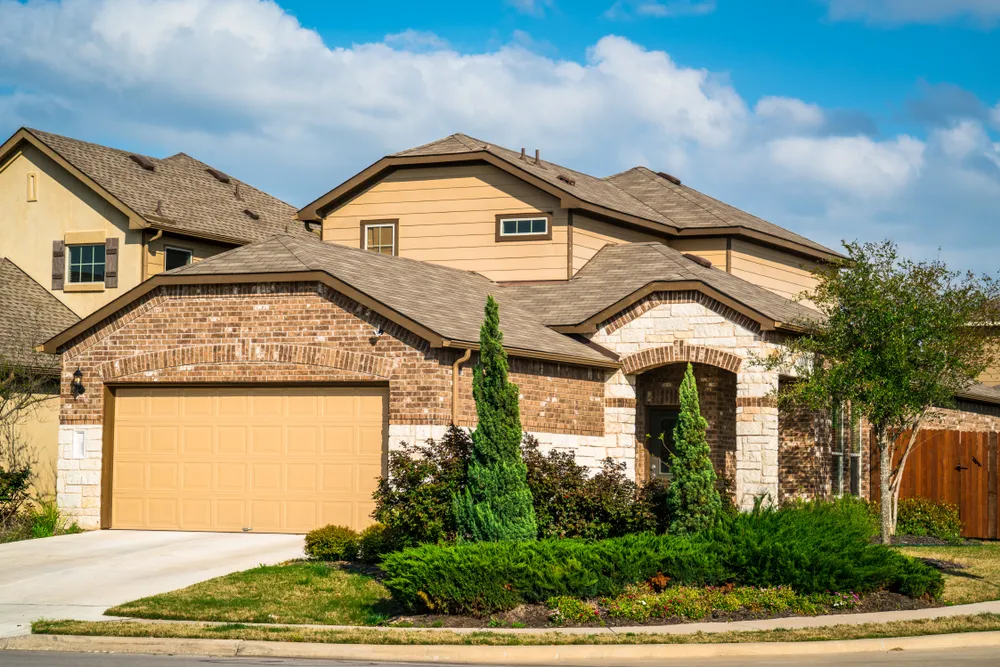
Sellers in Austin are conceding something on nearly every deal right now. But the form those concessions take determines how much value buyers actually capture. According to Joel Richardson, VP & Branch Manager at First Community Mortgage’s Austin office, buyers who direct concessions toward closing costs rather than price reductions get significantly more from the same dollar amount – a distinction most first-time buyers miss entirely.
Over the past year to year and a half, “every transaction, purchase transaction I’ve seen come over my desk has had some sort of seller concessions,” Richardson says – price cuts, closing cost help, or both.
The question is not whether buyers can get something. It is what form that something should take.
The Math Behind Closing Cost Concessions
The logic hinges on how mortgage financing works. When a seller drops the price by $20,000, the buyer does not pocket that full amount. Most buyers finance 80 to 95 percent of their purchase price. A $20,000 price reduction only saves them the portion they would have paid out of pocket – their down payment percentage of that amount. The rest is spread across 30 years of mortgage payments.
Richardson puts it directly: “If you’re going to go in, let’s say, $20,000 concession, make it off the closing costs and not the price because you’re financing 80 to 95% of the concession anyway.”
A closing cost concession covers expenses the buyer would otherwise pay entirely in cash at the closing table – lender fees, title insurance, prepaid taxes, and potentially discount points to buy down the interest rate. Every dollar applied to closing costs is a dollar the buyer does not write a check for.
When Concessions Buy a Lower Rate
In one recent transaction Richardson handled, the seller’s concession was large enough to cover all closing costs and still leave room to purchase discount points. The result: “We were able to buy their rate down two points to get them into the low sixes on the rate side of things.”
That rate reduction lowers the buyer’s monthly payment for the entire life of the loan. The seller paid the same amount either way. The buyer directed it to where it did the most long-term work.
Richardson notes the buyer in that deal did not contribute anything extra. “Instead of going for a big price cut, they just decided to do this.” The seller was willing to concede the same total dollars. The structure of the concession made the difference.
Why Buyers Still Default to Price Cuts
Despite the math, many Austin buyers instinctively negotiate on price. A lower sticker number feels like a win; it is concrete and visible. Closing costs feel abstract, buried in line items on a settlement statement most first-time buyers have never seen.
Buyers also hear that Austin home values have softened and assume the smart play is to push prices lower. But in a market where sellers are already listing below peak prices, concession dollars often do more work applied to upfront costs than squeezed into further price reductions.
Price negotiation still matters when a home is genuinely overpriced relative to comparable sales. And buyers should know that closing cost concessions have limits; lenders cap how much a seller can contribute based on the loan type and down payment amount.
What This Looks Like in Practice
The current Austin market gives buyers unusual leverage. Homes sitting 70 days or more on the market are common. Some buyers submit extremely low offers just to test sellers. Richardson notes that many agents discourage unrealistic lowball offers because numerous sellers have enough equity that they are not forced to accept – they want to sell but do not have to.
That dynamic creates a negotiation environment where creative structuring matters more than brute-force price pressure. A seller who will not drop their price another $15,000 may contribute that amount toward closing costs, because the sale price, the number that appears in public records and affects neighborhood comps, stays intact.
Closing timelines have also relaxed. Two and a half to three years ago, buyers who could not close in two or three weeks risked losing the deal. Now, Richardson says, 25- to 30-day closing cycles are standard again, giving buyers time to run inspections, schedule follow-up evaluations, and structure their financing without being rushed into decisions.
For buyers shopping in Austin now, the step is simple: before defaulting to a price reduction in an offer, ask a lender to model what that same dollar amount would accomplish applied to closing costs or a rate buydown. In Richardson’s recent deals, the difference between the two approaches has been large enough to move buyers from hesitation to confidence.
About the Expert: Joel Richardson is VP and Branch Manager at First Community Mortgage in Austin, Texas, with 26 years in mortgage lending.
This article is intended for informational purposes only and does not constitute legal, financial, or investment advice. The views and opinions expressed herein reflect those of the individuals quoted and do not represent an endorsement of any company, product, or service mentioned. Readers should conduct their own due diligence and consult qualified professionals before making any investment decisions.
Similar Articles
Explore similar articles from Our Team of Experts.