

The Alexandria real estate market is experiencing a notable shift from the hyper-competitive conditions that have defined recent years, creating new opportunities for buyers while requiring ...

White Plains Is Trading on Manhattan's Overflow – and Inventory Can't Keep Up

Written by:
Date:
20 Aug 2026
Share via Facebook

Share via Linkedin

Share via X

Copy to clipboard

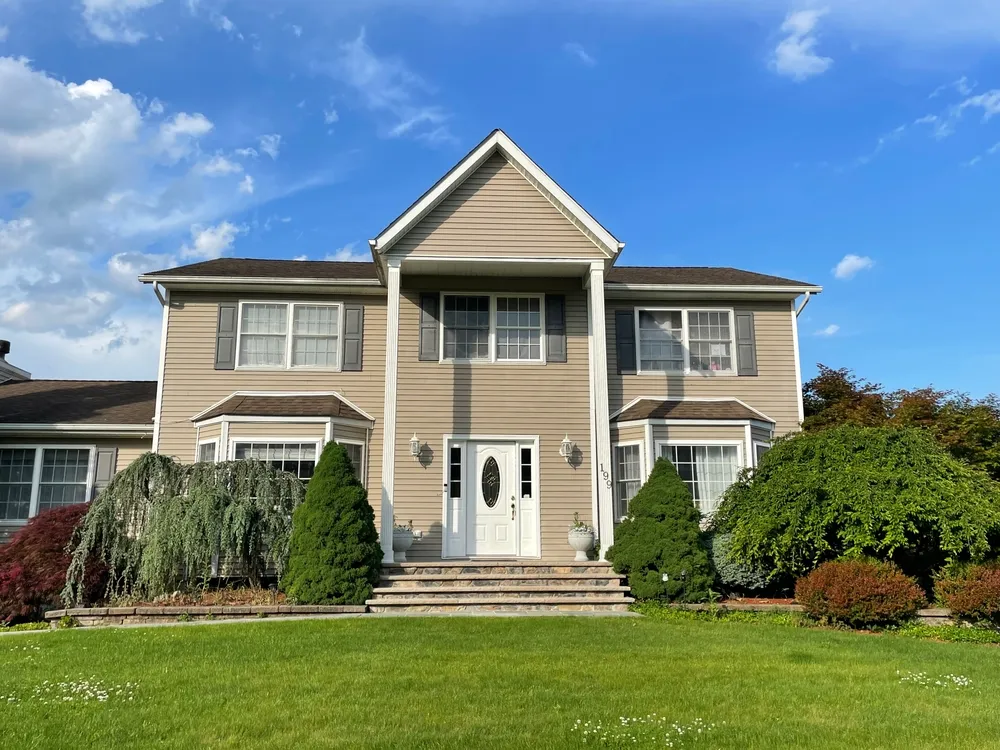
In lower Westchester County, New York, the supply-demand imbalance that defined the pandemic-era housing market has not corrected. At the million-dollar price point in White Plains, the county’s urban center, homes are moving in nine to twelve days. The driver is not speculation or pandemic migration. It is a structural relationship between Manhattan’s cost of living and Westchester’s proximity to it, one that continues to push dual-income households out of the city and into a market with very little to sell them.
Frank Palombo, a Realtor with Howard Hanna | Rand Realty, works both the luxury segment and the foreclosure side of the White Plains market. His recent experience illustrates the speed: a listing above $1 million drew roughly 20 couples in its first week, produced five offers within seven days, and closed at 10% above an already aggressive asking price within two weeks of hitting the market.
The Buyer Profile Fueling Demand
The typical buyer in White Plains is not a remote worker fleeing density. It is a mid-30s, dual-income couple that spent their early career years in Manhattan, met a partner there, and now faces the arithmetic of starting a family in a borough where average rent runs $6,000 a month. Palombo estimates this demographic accounts for 50% to 60% of current demand.
The remaining share splits between two groups: move-up buyers in their early 40s who purchased a smaller suburban home years ago and are now at peak earnings, representing roughly 30% to 40% of activity; and a smaller segment, around 10%, of multigenerational households, often parents relocating from other parts of the country to be closer to grandchildren.
What ties these groups together is a shared pull toward White Plains specifically. The city functions as the only true urban center in lower Westchester’s collection of hamlets, with high-rise residential buildings, transit-oriented development around the Metro-North hub, and a 33-minute train ride to Manhattan. Transit-oriented developments built within walking distance of the train station over the past five or six years have reinforced this positioning, according to Palombo, giving the city a cosmopolitan feel that Manhattan transplants recognize.
Days on Market Tell a Layered Story
The inventory shortage is not uniform across price points. In the $750,000 to $1.2 million range, Palombo describes the strongest activity and shortest market times for single-family homes. Between $1.5 million and $2.5 million, days on market stretch to 40 or 45. Above $2.5 million, the timeline extends further: 60 to 90 days, and above $6 million, listings can sit for 110-120 days or more. These tiers have held at roughly the same pace since the pandemic.
Co-ops and apartment buildings sit longer regardless of price. Palombo attributes this to monthly maintenance fees and assessments that make the total carrying cost less competitive against a single-family purchase. “The affordability of those versus trading up to a home is more beneficial to buy a home,” he says. The pattern is price-driven rather than neighborhood-driven, though proximity to schools and religious institutions creates pockets of concentrated demand.
The Misconception Gap
Palombo describes a persistent gap between what buyers and sellers believe and what the data supports. Sellers, observing the shortage, assume prices will continue rising indefinitely and resist listing, or insist on pricing above market. Some refuse to come on the market at all, convinced that waiting will yield a higher price. Buyers, meanwhile, delay purchases waiting for Federal Reserve action they believe will meaningfully reduce their monthly costs.
With a background in financial services, Palombo pushes back on the rate-waiting strategy directly with clients. His argument: the price appreciation a buyer misses while waiting for a rate cut can exceed whatever monthly savings that cut would produce. Treasury markets and daily economic data move borrowing costs in real time, independent of Fed announcements – a distinction he says most buyers do not grasp. “They believe that every move from the Federal Reserve is going to be real time in my portfolio,” he says. “That’s not true.”
For sellers, the misconception cuts differently. Palombo estimates that about 10% of listings carry price reductions, not because the market is softening, but because agents take overpriced listings to win the business and then endure an exhaustion period before the seller accepts market-supported pricing.
Where Investor Opportunity Sits
For investors considering the market, Palombo points to two areas. The first is multifamily value-add, acquiring B or C-plus buildings, improving them, and increasing the rent roll. Competition for these deals is intense, but the passive income thesis appeals to investors seeking income replacement.
The second is foreclosures, which Palombo says have been ticking up quarter over quarter for roughly nine months, moving from around 3% of sales to perhaps 4% or 5%. The opportunity exists partly because few agents pursue it, the sales cycle is longer, the legal complexity is higher, and the court-involved negotiation process discourages volume-oriented practitioners. Fix-and-flip, by contrast, is becoming less viable in this market due to labor costs, materials, and the time required to complete renovations.
The 12-Month View
Palombo sees little reason for prices to level off or decline over the next year. His reasoning rests on three factors: continued job growth and corporate profitability in Manhattan, rising wages, and monthly absorption in White Plains holding at roughly one to two months of supply. “As long as Westchester County and White Plains trade below the parity of the average rent in Manhattan,” he says, “I don’t see a change in the 12 months.”
For buyers waiting on rate relief to improve their position, Palombo’s data suggests the cost of delay may already exceed the potential savings. In a market where listings above $1 million close in under two weeks at premiums to asking price, timing the Fed carries a price of its own.
About the Expert: Frank Palombo is a Realtor with Howard Hanna | Rand Realty, working the luxury and foreclosure segments of the White Plains, New York market. He has a background in financial services.
This article is based on information provided by the expert source cited above. It is intended for general informational purposes only and does not constitute legal, financial, or real estate advice. Readers should conduct their own research and consult qualified professionals before making any real estate or financial decisions.
Similar Articles
Explore similar articles from Our Team of Experts.