

Walk into a real estate conversation in Wayne County or the Finger Lakes right now, and one thing becomes clear: not everything is selling the same way. Some properties are gone before the s...

Why Buffalo Buyers Who Refuse to Stretch Their Budget Are Winning Right Now

Written by:
Date:
13 Aug 2026
Share via Facebook

Share via Linkedin

Share via X

Copy to clipboard

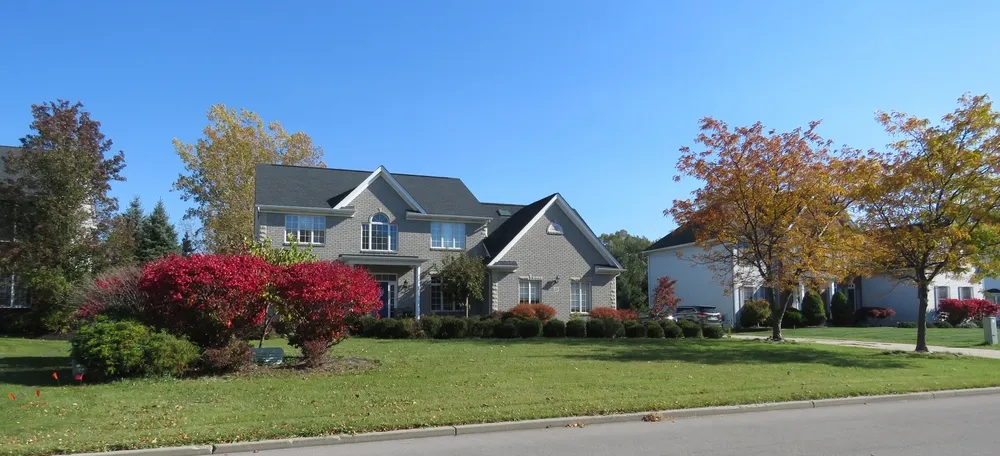
Two years ago in the Buffalo metro, getting a home often meant going over the asking price. Buyers approved for $350,000 would bid $360,000 and figure out the difference later. That era is over. According to Lawrence Blaber, a Realtor with WNY Metro Roberts Realty who works with both homeowners and investors across the Buffalo area, today’s buyers are sticking rigidly to internal spending limits well below their approved amounts, and in a market with fewer competing offers, that discipline is paying off.
Fewer Buyers, More Power Per Buyer
Buffalo’s buyer pool has thinned. There are fewer people showing up, fewer multiple-offer situations, and fewer bidding wars. Homes are still selling, but the reduced competition has handed leverage to those who remain. “There aren’t as many buyers, so the buyers are even stronger,” Blaber says.
In practical terms, the buyers who remain get to be selective. They set firm ceilings and refuse to budge. Blaber sees this consistently: even clients approved for $350,000 try to stay at $335,000 or $340,000 and won’t break that number, even for a property they like.
Contrast that with the recent past. Just a few years ago, Blaber recalls, buyers routinely exceeded their comfort zone, bidding $350,000 or $360,000 and absorbing the overage somehow. The competitive pressure forced hands. That pressure no longer exists.
What This Means for Sellers
For sellers who bought during the hot market, this shift is painful. Blaber describes a client who purchased a home for $333,000 several years ago and is now trying to sell. Despite the owner’s expectations, the price has had to come down to nearly $350,000 because there simply isn’t enough competition to drive it higher.
That seller isn’t alone. Blaber points to a broader pattern: expired listings – homes that failed to sell – now outnumber new listings coming onto the market. Sellers who price based on what they paid, or what comparable homes fetched a few years ago, are finding that today’s disciplined buyers won’t meet them there.
The result is a market where price reductions, seller-funded improvements, and extended timelines have become normal. Sellers in desirable suburban areas with strong school districts are more willing to negotiate and make repairs to attract the smaller buyer pool. In less sought-after neighborhoods, Blaber says sellers are more resistant to concessions – but that resistance leads to longer sits on the market rather than better outcomes.
The Risk of Waiting Too Long
This dynamic creates a particular trap for sellers who bought near recent peaks. Blaber describes an investor who purchased a two-unit property in Niagara Falls for $120,000 in a competitive moment and now can’t attract offers above $100,000. The gap between what the owner needs and what the market will pay is not something patience alone can close, not when the buyer pool is still contracting.
Some sellers are getting creative to bridge that gap. Blaber says he’s seeing owners willing to hold the mortgage for two or three years and work out payment plans if it means hitting their target price. Others accept problem tenants or deferred maintenance in exchange for a lower purchase price – anything to move the property.
Where the Market is Still Moving
Not every pocket of western New York is stalling equally. Amherst remains consistently active because of its safety reputation and the Williamsville school district, the top-rated district in the region, according to Blaber. The town and city of Tonawanda are gaining attention as an area investors and homeowners should watch. In Niagara County, Niagara Falls works well for investors buying rental properties, while homeowners are pushing toward the Starpoint School District area, Pendleton, and the town of Lockport.
Within the city, ranches in the suburbs and solidly built two-bedroom units priced around $105,000 are still turning over at reasonable speed. But anything priced above what today’s buyers have internally committed to spend tends to stall, regardless of the home’s objective qualities.
A Tax Reassessment Could Change the Math
One factor Blaber is watching closely: the city of Buffalo is redoing its property assessments. New assessments will affect tax bills, and that shift could alter investor math significantly. Part of what has made Buffalo attractive to landlords is low property taxes; Blaber describes investors buying houses for $80,000 with taxes around $500. If reassessments push taxes higher, some investors may pull back, and some owners may decide to sell rather than absorb the increase. How the market responds is still unclear.
For buyers currently shopping the Buffalo metro, the gap between what a lender will approve and what makes financial sense has always existed. Right now, the market is rewarding those who honor that gap rather than punishing them for it.
About the Expert: Lawrence Blaber is a Realtor with WNY Metro Roberts Realty, working primarily with residential investors in Erie and Niagara counties, New York.
This article is intended for informational purposes only and does not constitute legal, financial, or investment advice. The views and opinions expressed herein reflect those of the individuals quoted and do not represent an endorsement of any company, product, or service mentioned. Readers should conduct their own due diligence and consult qualified professionals before making any investment decisions.
Similar Articles
Explore similar articles from Our Team of Experts.