

Sarasota has long punched above its size – home to a nationally ranked school district, a thriving arts scene, and barrier island beaches that rival anything on the Florida coast. For a mi...

Detroit's Sub-$100,000 Housing Stock Is Still Drawing Investors

Written by:
Date:
18 Aug 2026
Share via Facebook

Share via Linkedin

Share via X

Copy to clipboard

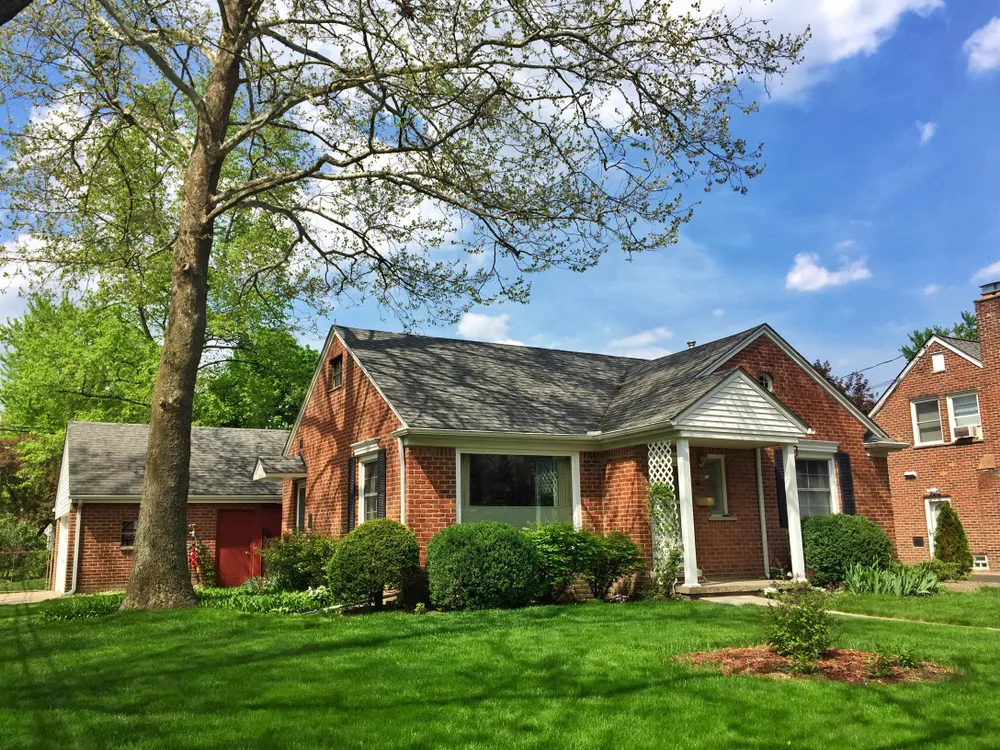
Metro Detroit remains one of the few major metropolitan areas where an investor can acquire a property for under $100,000, put in rehab work, and still generate positive cash flow. That affordability continues to attract capital from across the country, but financing these deals and structuring them to survive a missed assumption requires more nuance than the headline numbers suggest.
Rena Starr, a Senior Mortgage Loan Officer at Safetrust Mortgage LLC who focuses primarily on investor clients, sees the gap between optimism and execution play out regularly. With 11 years in the industry, including four years as an underwriter at United Wholesale Mortgage, where she led a team of 20 and underwrote conventional, FHA, and VA loans, she now works with investors ranging from first-time buyers to portfolio owners holding 40 to 100 properties. As a broker with access to roughly 70 lenders, Starr structures each deal around the borrower’s specific situation rather than defaulting to a single loan type.
The Pattern Right Now: Cash-Out, Then Redeploy
The dominant transaction pattern Starr sees across her investor clients is a cash-out refinance followed immediately by a new purchase. An investor who bought a property a couple of years ago now has enough equity appreciation, or has completed enough rehab work to raise the after-repair value, to pull cash out via a DSCR loan and deploy it into the next acquisition.
“You’re usually doing two DSCR loans on those,” Starr says. “We’ll cash out the first one and use the cash from the first to buy the next property.”
This cycle, the BRRRR method (buy, rehab, rent, refinance, repeat) in practice is repeating across metro Detroit and, increasingly, metro St. Louis, where Starr sees similar dynamics: affordable cash-flowing properties, room to add value through light rehab, and enough equity growth to sustain the next move.
For investors considering this approach, the key variable is whether the property’s rental income supports the DSCR loan qualification without needing to document personal income through pay stubs, a structure that lets investors scale without hitting conventional loan limits.
Where Deals Fall Apart
The deals that aren’t coming together share a common problem: investors who enter a property with only one exit plan. Starr sees this most often with flippers who over-rehab beyond what comparable sales in the area can support.
“They’re going in saying this is going to be a flip. But they over-rehabbed the loan, and they don’t have the comps for it,” she says. “Had they started out and understood and bought a property that worked as both a flip and a hold, they would have had a better situation to be in.”
The appraisal gap is the specific sticking point. Investors who buy at the top of the market in June and try to sell in December may find the comps aren’t there. Others make a property the nicest house in the neighborhood, which paradoxically lowers its appraised value because there are no comparable sales to support the number.
“That’s one of the biggest things I’m seeing, things not appraising because they were maybe a little too optimistic on where they thought the numbers would fall,” Starr says.
The practical consequence: an investor stuck with a property that won’t appraise at the expected flip price must pivot to holding it as a rental. If the numbers only worked as a flip, that pivot means negative cash flow or a forced sale at a loss.
The First-Time Investor Problem
For newer investors, Starr identifies a pattern she sees repeatedly: too many strategies, too many creative financing options, and a temptation to try everything at once or attempt something no one has done before.
Her recommendation is straightforward. Pick one method, whether a simple turnkey purchase with a conventional loan at 15% or 20% down, or a BRRRR, learn it, execute it simply, and expand from there. The reasoning is practical: the more creative the structure, the more places something can go wrong.
“Keeping emotions out of it, this is a financial decision, not an emotional decision,” she says. “You want to really make your decisions based on the numbers. And I think a lot of investors kind of miss that the first time out.”
Starr points to land contracts, subject-to deals, and various seller financing structures as examples of creative approaches that can work but carry more complexity. For a first deal, she recommends following proven blueprints from established investors rather than building an untested structure from scratch.
Navigating Detroit’s Micro-Market Geography
Detroit’s affordability is real, but so is its geographic fragmentation. Starr emphasizes that a mile can separate entirely different markets with different risk profiles.
For out-of-state investors, she recommends working with local realtors who understand neighborhood-level dynamics and attending local networking groups; she names organizations including Renegades and multiple local REIAs as active communities where investors can meet wholesalers and other investors who know specific submarkets.
Starr also flags something out-of-state investors may not consider: seasonality. Detroit’s four-season climate means selling between March and September generally yields stronger valuations. “If you’re from out of state, you might not think about that impacting the market,” she says.
Looking ahead, Starr expects Detroit’s property values to continue rising over the next three to five years, with rehab opportunities still available for investors who understand the local market. “Even turnkey houses are cash flowing well,” she says. “You have to really know your neighborhoods.”
For investors weighing Detroit against other affordable markets, the combination of sub-$100,000 entry prices and rising values creates a window, but only for those who buy with both exit plans already mapped and a local team that understands which blocks support which strategy.
About the Expert: Rena Starr is a Senior Mortgage Loan Officer at Safetrust Mortgage LLC, focusing on investor clients in the Detroit and St. Louis metro areas. She has 11 years in the industry, including four years as an underwriter at United Wholesale Mortgage, and works as a broker with access to roughly 70 lenders.
This article is based on information provided by the expert source cited above. It is intended for general informational purposes only and does not constitute legal, financial, or real estate advice. Readers should conduct their own research and consult qualified professionals before making any real estate or financial decisions.
Similar Articles
Explore similar articles from Our Team of Experts.