One of the biggest reasons long-term California homeowners never sell is property taxes. After decades in the same house, their assessed value – and therefore their annual tax bill – sit...

Fort Lauderdale, Florida Luxury Towers Point to Long-Term Investment Gains

Written by:
Date:
11 Aug 2026
Share via Facebook

Share via Linkedin

Share via X

Copy to clipboard

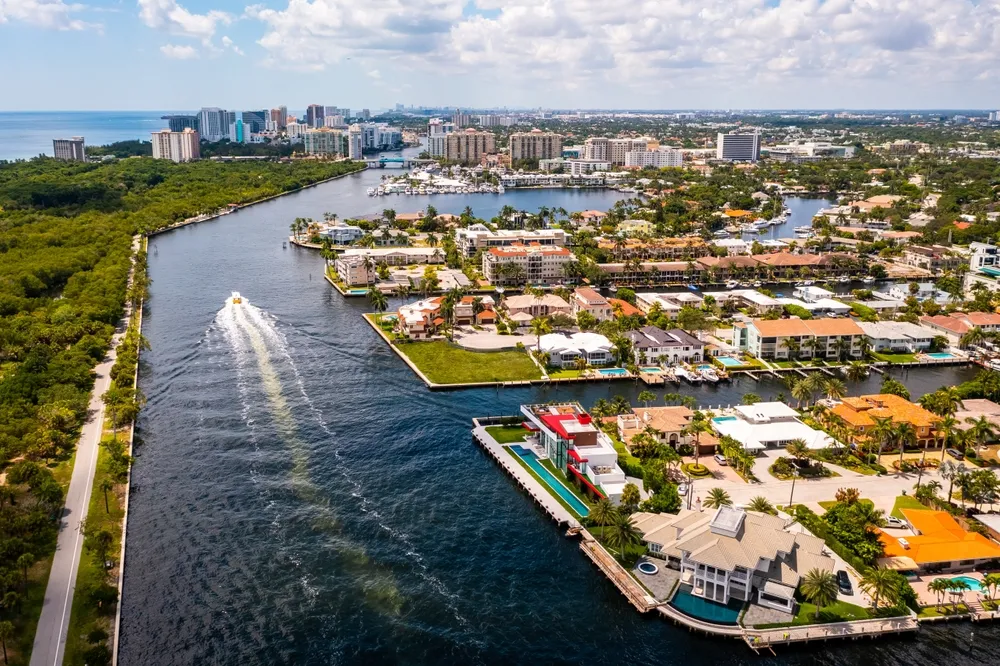
Three luxury high-rise projects are going up along the Fort Lauderdale and Pompano Beach waterfront: a Waldorf Astoria, a W Hotel property, and a Ritz-Carlton tower. For investors watching South Florida, this kind of branded development pipeline signals institutional confidence in a corridor’s future. But the opportunity these buildings represent requires a longer holding period than many buyers expect. That’s especially true as the broader South Florida market cools heading into summer.
Peter Blicharz, a Real Estate Advisor and founder of The PMB Group at Coldwell Banker Realty, works with high-net-worth investors deploying capital across the region. He describes the Fort Lauderdale area as a market where short-term returns are uncertain but long-term fundamentals are strengthening.
Why the Pipeline Matters
When major hospitality brands break ground in a corridor, they are committing capital on a decade-long timeline. The Waldorf Astoria, W, and Ritz-Carlton projects represent billions in committed investment and indicate that institutional players see Fort Lauderdale’s waterfront as a growth market, not a saturated one.
Blicharz describes Pompano Beach, immediately north of Fort Lauderdale, as a beneficiary of this momentum. He notes, “they’re pumping millions and millions of dollars into the infrastructure.” New roads, upgraded utilities, and commercial development are following the luxury towers, creating the kind of feedback loop that tends to lift property values over time.
For individual investors or buyers considering a home in the area, the neighborhood they buy into today may look very different in a few years. It may also command very different prices.
The Cooling Reality
The challenge is timing. “There’s definitely some cool off, especially in the summer months,” Blicharz says. South Florida’s seasonal patterns mean transaction volume drops when northern buyers stop visiting. The broader market correction from pandemic-era peaks also means appreciation is no longer guaranteed in the short term.
Blicharz notes that sellers across the region remain anchored to inflated expectations. “Sellers are still kind of stuck in the 2020 era, where they’re thinking that their properties are worth a lot more than they truly really are,” he says. Buyers, meanwhile, have grown more disciplined. “There’s a lot more negotiations, there’s a lot more back and forth,” he adds. He views this as a healthy dynamic for the market.
This creates a tension: the long-term infrastructure story is compelling, but the short-term carrying costs are real. Buyers who expect quick appreciation from proximity to luxury development may find that the market’s current pricing correction offsets any near-term gains.
What Long-Term Means
Blicharz frames the luxury development corridor as “an incredible opportunity for investors if they’re willing to stick in it for the longer term.” That qualifier matters. The infrastructure investment in Pompano Beach and Fort Lauderdale is not speculative. The buildings are under construction, the roads are being built, and the money is committed. But the timeline for that investment to show up in neighborhood-wide appreciation depends on completion schedules, absorption rates, and broader economic conditions.
For buyers who are relocating to the area and plan to live in their home for several years, the development pipeline represents a tailwind. Committed institutional capital is already backing a corridor they intend to inhabit. For income-oriented investors, Blicharz says the math needs to work on day one rather than depending on future appreciation.
“Fort Lauderdale is growing like crazy,” Blicharz says, pointing to demand from relocating professionals and international buyers. That population growth supports rental demand, which supports investors focused on cash flow. But it does not eliminate the risk of overpaying in a market where sellers are still adjusting expectations downward.
The branded towers going up along the waterfront are not a guarantee of returns. They are a signal, one that, according to Blicharz, rewards patience and penalizes speculation.
About the Expert: Peter Blicharz is a Real Estate Advisor and founder of The PMB Group at Coldwell Banker Realty, working with high-net-worth investors in the Fort Lauderdale and Pompano Beach area.
This article is intended for informational purposes only and does not constitute legal, financial, or investment advice. The views and opinions expressed herein reflect those of the individuals quoted and do not represent an endorsement of any company, product, or service mentioned. Readers should conduct their own due diligence and consult qualified professionals before making any investment decisions.
Similar Articles
Explore similar articles from Our Team of Experts.