
Fort Wayne’s real estate market is drawing new attention as buyers look beyond the city’s established neighborhoods for value and growth. Over the past few years, a handful of areas have...

Bergen County, New Jersey Rents Now Rival Mortgage Payments, Pushing Renters Toward Ownership

Written by:
Date:
09 Aug 2026
Share via Facebook

Share via Linkedin

Share via X

Copy to clipboard

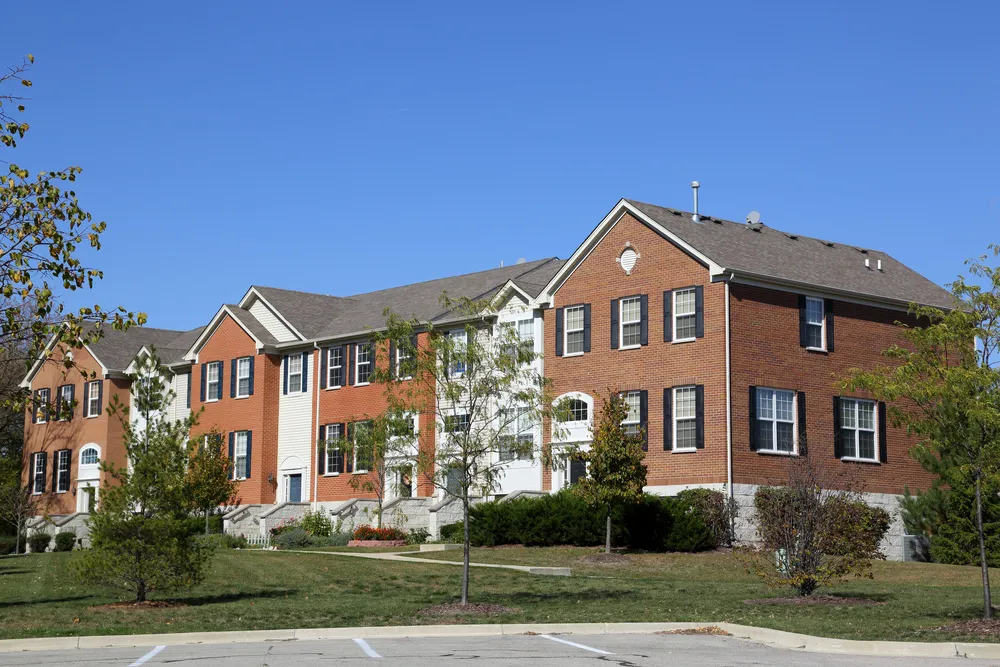
Renters in Bergen County, New Jersey, are discovering that their monthly payments already approximate what a mortgage would cost. Local agents say this realization is driving more renters toward condo and townhouse purchases they once assumed were out of reach.
Heather Corrigan, a Realtor with RE/MAX Signature Homes who handles rentals and sales across Bergen County and nearby areas, says she hears the same conclusion from renters regularly. They compare their rent to what a mortgage would cost and realize they have been paying someone else’s mortgage for years. “A lot of the time when it comes to renting, you’re paying pretty much what you would pay for a mortgage,” Corrigan says.
Rents Rival Ownership Costs
Bergen County rents have climbed to levels that blur the line between renting and owning. Corrigan currently has a single-family home listed for rent at $5,400 per month. She describes that figure as consistent with rental rates in the area’s most desirable towns.
At that monthly cost, a renter accumulates no equity, receives no tax advantages, and holds no asset. When rent equals or exceeds what a mortgage, taxes, and insurance would cost on a smaller property, continuing to rent makes less financial sense.
Corrigan says this dynamic is pushing long-term renters to reconsider their assumptions about what they can afford to buy.
Condos as Entry Points
The barrier for most Bergen County renters is not desire. It is the belief that they cannot afford to buy anything in the county. Single-family homes routinely trade above $700,000, and many approach or exceed a million dollars. That feels out of reach for someone who has been spending heavily on rent.
But condos and townhouses occupy a different tier. Corrigan notes that while a house at $300,000 or $400,000 does not exist in Bergen County, “you could get a one bedroom condo” at that level. She recently sold a condo in Hackensack for about $300,000. A townhouse in Lodi listed at $499,000. These properties represent ownership: equity building, potential appreciation, and a housing cost that does not rise at a landlord’s discretion. For renters spending thousands each month with nothing to show for it, even a modest purchase changes the equation.
A Repeatable Buying Pattern
Corrigan says she consistently sees renters reaching a breaking point after years of high payments. They come to her and say, “You know what, Heather? I’ve been renting for so many years. I’m ready to buy.”
That initial purchase often becomes a stepping stone. One of Corrigan’s clients sold a condo in Hackensack for about $300,000 and used that equity to purchase a home in Pompton Lakes for about $540,000. The first buy did not have to be the forever home. It started the equity clock, and within a few years, the client had built enough value to move up.
Corrigan describes this as a repeatable path: buy a condo, build equity, then either rent it out and purchase the next property, or sell it and trade up. “Some people will then take that first investment and then rent it and get their next one or sell it and get their next one,” she says.
Bergen County Stays Competitive
Bergen County’s tight inventory keeps both rents and home prices elevated. Corrigan says finding properties here remains competitive regardless of price tier. Affordability pressure is beginning to push some buyers into neighboring counties, including Passaic, Essex, Morris, and Union, where they can get more for their money.
Still, Bergen County’s proximity to New York City, strong schools, and distinct town-by-town character continue to attract buyers. Corrigan notes that each town has its own feel. Some have lakes, some have pools, and all are within easy commuting distance of the city by train, bus, or car.
That sustained demand keeps rents high and makes ownership, even at the condo level, a hedge against future increases. A renter locked into a rising market with no equity has no way to benefit from the appreciation happening around them. A condo owner, even in a modest unit, participates in that growth.
For Bergen County renters currently paying $4,000 to $5,400 per month, the relevant question is not whether they can afford a million-dollar house. It is whether a $300,000 to $500,000 condo or townhouse would cost less per month than what they are already spending. It is also whether building equity now puts them in a stronger position five or ten years from now.
About the Expert: Heather Corrigan is a Realtor with RE/MAX Signature Homes, closing approximately 80 units annually across multiple northern New Jersey counties including Bergen, Passaic, Essex, Morris, and Union.
This article is intended for informational purposes only and does not constitute legal, financial, or investment advice. The views and opinions expressed herein reflect those of the individuals quoted and do not represent an endorsement of any company, product, or service mentioned. Readers should conduct their own due diligence and consult qualified professionals before making any investment decisions.
Similar Articles
Explore similar articles from Our Team of Experts.


Residential Real Estate, Commercial Real Estate, Property Technology, Market Analysis & Policy, Perspectives, Featured Articles
Lancaster, Pennsylvania’s residential market is booming with 10.7% year-over-year home price appreciation and multiple high-rise apartment projects coming online. But according to one ...