
Toronto’s spring real estate market, typically marked by a surge in new listings and buyer activity, is facing an unusual delay this year. An extended winter and broader economic uncer...

Real Estate in Portland, Oregon's Outer Ring Loses Its Edge as Rates Stay High

Written by:
Date:
06 Aug 2026
Share via Facebook

Share via Linkedin

Share via X

Copy to clipboard

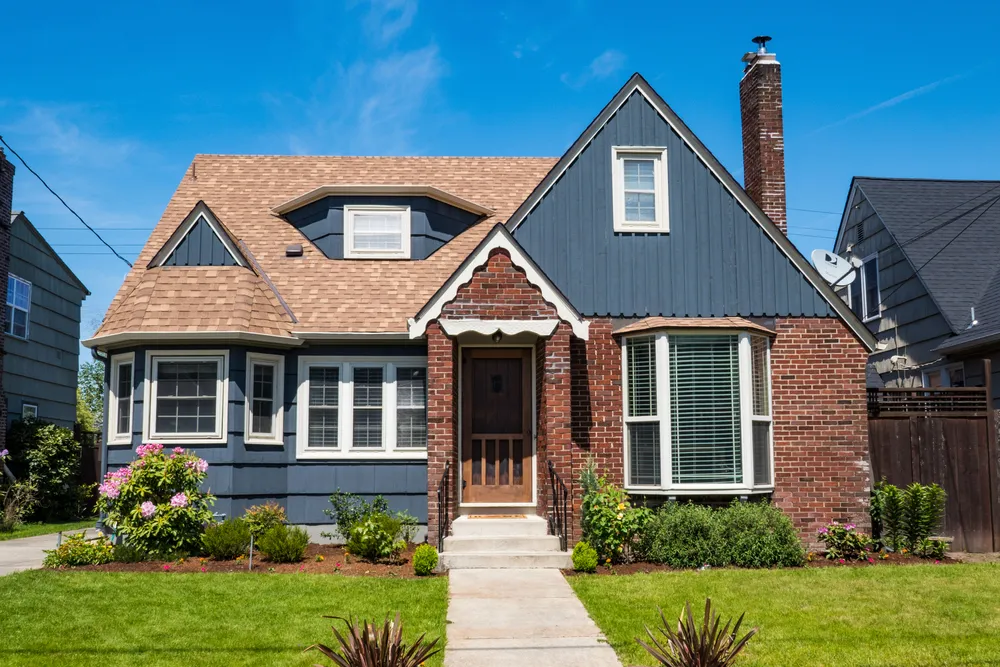
When mortgage rates were near historic lows in 2021 and 2022, Portland buyers stretched into the city’s outer neighborhoods to get more house for less money. That trade-off made sense when borrowing was almost free. Now, with rates still elevated, according to Scott Edelman, a Realtor with Sold by Scott, homes on Portland’s edges are sitting without offers while inner-city listings still draw bidding wars.
Edelman has worked the Portland metro market for almost six years. He describes a clear split forming between well-located listings that attract multiple offers and outer-ring homes that linger for weeks.
More Space, Less Demand
Portland’s outer neighborhoods offer lower prices, larger lots, and more land. But Edelman says that during the low-rate era, those neighborhoods benefited from a wave of first-time buyers who could afford the payments even on properties farther from urban amenities.
That wave has receded. With higher rates raising monthly costs, buyers are making a different decision. Rather than stretching into a cheaper neighborhood they feel lukewarm about, they are paying more per square foot to live where they actually want to be. “If they’re going to be spending their money, they want to be close to amenities,” Edelman says.
Homes in the outer portions of the city – areas without walkable restaurants, coffee shops, or easy access to Portland’s cultural life – are languishing. Edelman says “those houses are definitely sitting longer, taking longer to find a buyer.” Meanwhile, well-presented homes in inner northeast and southeast Portland continue attracting multiple offers and selling above list price.
What Changed Between Then and Now
The shift is not about those outer neighborhoods getting worse. It is about the math no longer justifying the compromise. During the pandemic-era rate environment, Edelman explains, buyers flooded into cheaper areas because “it didn’t take as much funds to get into there.” Monthly payments on a home in the low price ranges felt manageable when rates were much lower.
Today, the same home costs substantially more per month to finance. If buyers are going to stretch their budget regardless of location, the logic of choosing a neighborhood solely for its price weakens. Buyers are deciding that proximity to parks, restaurants, and cultural life is worth the extra cost, especially when the savings from moving farther out no longer feel as dramatic as they once did.
Portland’s 2026 spring season illustrates the divide. Edelman says “the spring market started right after the new year, and it went through June,” but that energy was concentrated in inner-city pockets. After July 4th, the market cooled across the board, and the outer neighborhoods felt the slowdown most acutely.
What Is Still Moving
The neighborhoods drawing the most competition are inner northeast and southeast, Keton, Monte Villa, Belmont, and Buckman. Homes there that are well styled, staged, and move-in ready are still getting multiple offers, selling over list price, and seeing buyers waive appraisals and contingencies, according to Edelman. That pattern has held for several years.
Homes that are not move-in ready – those needing exterior paint, a new roof, or lacking staging – are compounding a location disadvantage with a presentation disadvantage. Condos are also sitting longer, Edelman adds.
What Sellers on the Edges Should Watch
For homeowners in Portland’s outer ring considering a sale, the buyer pool has narrowed, and the timeline to sell has lengthened. Pricing needs to reflect a smaller pool of interested buyers, and sellers should expect longer days on market than comparable homes closer to the city center.
Edelman notes that Portland remains the most affordable major city on the West Coast compared to Seattle, San Francisco, and Los Angeles. He also says he has been getting calls from people in other states looking to relocate to Portland, which suggests continued baseline demand. But that demand is concentrating in walkable, amenity-rich neighborhoods rather than spreading evenly across the metro.
In the most competitive inner neighborhoods, homes still sell with multiple offers in days. On the city’s edges, weeks or longer is the new timeline heading into fall.
About the Expert: Scott Edelman is a Realtor with Sold by Scott at Think Real Estate PDX, serving the Portland metro market on both sides of the Columbia River for nearly six years.
This article is intended for informational purposes only and does not constitute legal, financial, or investment advice. The views and opinions expressed herein reflect those of the individuals quoted and do not represent an endorsement of any company, product, or service mentioned. Readers should conduct their own due diligence and consult qualified professionals before making any investment decisions.
Similar Articles
Explore similar articles from Our Team of Experts.