

Las Vegas looks like a short-term rental goldmine on paper. Millions of visitors, a 24/7 entertainment economy, no state income tax. But investors who show up expecting to buy a property and...

North Dallas Buyers Face a Hidden Tax Tradeoff in New-Construction Neighborhoods

Written by:
Date:
05 Aug 2026
Share via Facebook

Share via Linkedin

Share via X

Copy to clipboard

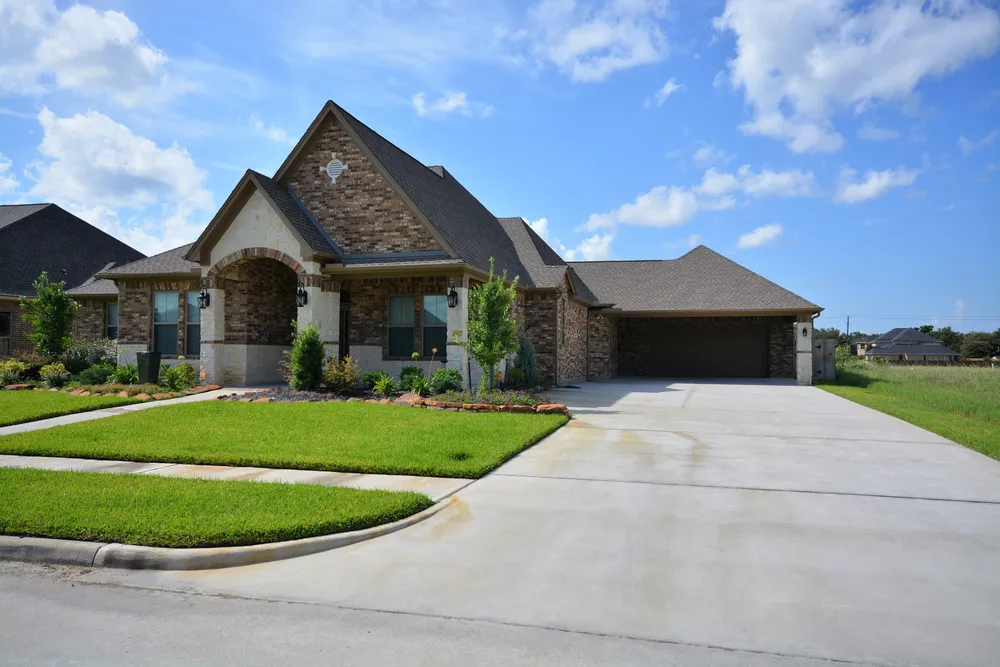
The listed price on a new-construction home north of Dallas often understates what buyers will actually pay each month. A growing number of developments sit outside city limits – technically in Collin County – where a special taxing structure called a Municipal Utility District adds a cost layer that catches many relocating buyers off guard. According to Deborah Diviney, a Realtor with Coldwell Banker Apex, Realtors who has worked the North Dallas market for nearly 26 years, the apparent savings of buying in the county versus the city largely disappear once the MUD tax is factored in – making the real decision about lifestyle preferences rather than dollars.
What a MUD District Actually Costs
Neighborhoods outside city boundaries – not in McKinney, Frisco, Prosper, or Celina proper – often fall under a MUD, which levies its own tax to fund roads, plumbing, electrical infrastructure, signage, and bridges serving the development and surrounding area. Because the city isn’t providing those services, the MUD collects revenue to cover them.
Diviney puts the comparison plainly: “The same plan in the city is like 30,000 more than it is in the county.” A buyer sees a lower base price and assumes they’re getting a deal. But the ongoing MUD tax narrows or eliminates that gap over time. “They’re going to get you one way or the other,” she says.
This distinction matters most for buyers comparing identical floor plans offered by the same builder in two different communities – one inside city limits, one outside. The county home looks cheaper on paper. But the monthly escrow payment, which bundles property taxes, will be higher because the MUD assessment rides on top of the county tax rate.
Why the Decision Becomes About Lifestyle
Once buyers understand the cost difference is largely a wash, the question shifts to what kind of neighborhood they want. Diviney says today’s North Dallas buyers aren’t purely price-driven – they want community amenities, proximity to sports and entertainment venues, and the right school district.
County developments often offer more square footage or larger lots for the same effective monthly cost. City-limit neighborhoods may offer established infrastructure, closer proximity to commercial districts, and different school-district assignments. Neither option is objectively better, but they serve different priorities.
Where Uninformed Buyers Get Caught
The real danger, according to Diviney, is buyers who fixate on the listed sale price without understanding total monthly cost. A relocating family from Arizona or Illinois – two states she regularly sees sending buyers to the area – may not know what a MUD is. Texas has no state income tax, which is part of what draws people north, but property taxes and special-district assessments are how local services get funded. The tax bill is the surprise that arrives after closing.
For sellers in MUD neighborhoods, this dynamic can slow transactions. If a buyer’s lender recalculates their debt-to-income ratio using the full tax burden rather than the base county rate, some buyers lose qualification at the price they offered.
A Slow Market Gives Buyers Time – If They Use It Correctly
Diviney notes that roughly 80 percent of the broader North Dallas market is moving slowly right now, with inventory having roughly doubled while the buyer pool has shrunk. “There’s just not a lot of buyers out there,” she says. Buyers who are actively looking at open houses tell her directly that they’re waiting for interest rates to fall before committing. “They’ll fly in from different states,” Diviney says. “They come through the open house and they’re like, we’re just waiting for it to get lower and we’re going to come and move here.”
That waiting period gives buyers time to compare – but the comparison is only useful if they’re looking at the right numbers. A home priced lower in the county may carry a higher total monthly payment than a more expensive home inside city limits, depending on the MUD rate attached to that specific address.
One concrete step before making an offer: ask a title company or lender for the full estimated tax rate at a specific address, including any MUD or PID (Public Improvement District) assessments. The Collin County appraisal district website publishes current tax rates by jurisdiction, showing the MUD surcharge line by line.
For relocating buyers drawn to North Dallas by the job growth, sports venues, and lack of state income tax, the sticker price on a listing is only the starting point. The monthly number – after MUD taxes, county taxes, and any other district assessments – is where the real comparison begins.
About the Expert: Deborah Diviney is a Realtor with Coldwell Banker Apex, with nearly 26 years of experience serving the North Dallas market across McKinney, Frisco, Prosper, and surrounding Collin County.
This article is intended for informational purposes only and does not constitute legal, financial, or investment advice. The views and opinions expressed herein reflect those of the individuals quoted and do not represent an endorsement of any company, product, or service mentioned. Readers should conduct their own due diligence and consult qualified professionals before making any investment decisions.
Similar Articles
Explore similar articles from Our Team of Experts.