
Florida’s new condo inspection and reserve laws were supposed to make buyers more cautious. On the Sarasota barrier islands, they have done something more complicated: they have pushed...

Renting May Be the Smarter Financial Move for Many Americans Right Now

Written by:
Date:
26 Jul 2026
Share via Facebook

Share via Linkedin

Share via X

Copy to clipboard

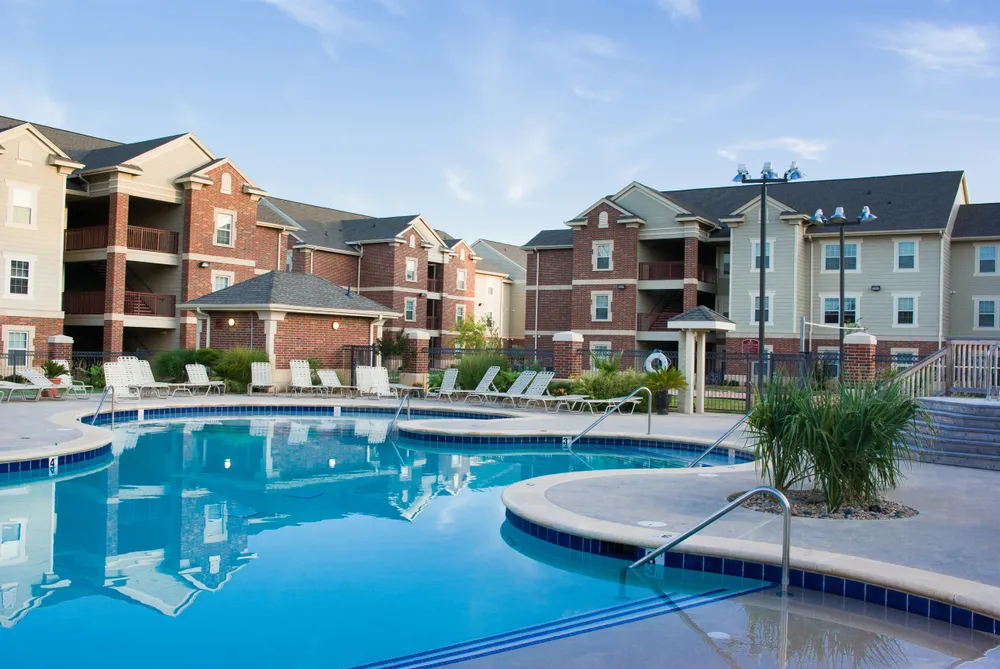
For a growing share of American households, staying in an apartment isn’t a holding pattern before homeownership. It’s a deliberate financial decision – one driven by math that has shifted sharply against buyers in recent years, according to Chamari De Silva, Director of Marketing at Renew, a renewal, retention, and management platform for multifamily operators.
Silva previously worked at two digital mortgage companies, where she watched rising interest rates reshape what people could afford and what they chose to do about it. Across Renew’s resident population, she sees both renters by necessity and renters by choice arriving at the same conclusion: staying put makes more financial sense than buying.
“Home doesn’t necessarily have to mean something that you physically own,” Silva says. What matters is what someone makes of the living space they currently occupy – a definition she argues more accurately reflects how Americans across cities and suburbs are actually living.
The Math Behind Staying Put
Down payments, closing costs, and monthly mortgage payments at elevated rates add up to a financial leap many households cannot justify – especially when their current rent is manageable, and their apartment offers amenities they would lose in a starter home.
Silva observes that financially literate renters are actively weighing whether purchasing makes sense right now. In the mortgage industry, she notes, there was always a saying: “marry the house, date the rate.” The logic is that a buyer can refinance later if rates drop. But a refinance does not erase the upfront cash required to purchase – the down payment and closing costs represent real money spent regardless of what happens to rates afterward.
For renters who have a gym in their building, established relationships with staff, and no maintenance responsibilities, the comfort equation tips further toward staying. The question is not only whether someone can afford to buy. It is whether buying improves daily life enough to justify the cost.
The Hidden Expense of Moving
Even renters who are not buying face real costs if they leave. Hiring movers, cleaning the apartment before departure, putting down a deposit at a new place – these expenses hit hard for households living paycheck to paycheck. Silva points out that much of America’s renting population falls into this category, making even a lateral move from one apartment to another a financial strain.
If staying saves thousands in moving costs and keeps someone in a space they have already settled into, staying is not inertia. It is a calculated choice.
The Risk of Waiting
None of this means renting indefinitely carries no risk. Renters build no equity. They face renewal increases they cannot control. And if rates eventually drop, buyers who waited may encounter sharper competition and higher home prices – a market where affordability has not actually improved despite lower borrowing costs.
Silva acknowledges that renters by choice and renters by necessity coexist. For the necessity group, the decision is not really a decision – they stay because they have to. The distinction matters: when Silva says renters by choice “are also making a financially savvy decision by choosing to stay,” that implies agency not everyone has. Households renting by necessity face a different calculus, one shaped by constraint rather than strategy.
What This Means at Renewal Time
For renters approaching a lease renewal and weighing whether to pursue homeownership, Silva’s case is straightforward: run the numbers without emotional pressure. The full cash outlay of buying at current rates – not just the monthly payment, but down payment and closing costs combined – may make another year of renting the more rational path.
“The definition of the American dream is changing,” Silva says. For a growing number of households, that includes an apartment with a lease renewal rather than a mortgage closing.
One practical consideration for renters who plan to stay: leverage at renewal time may be stronger than it appears. Silva notes that operators are committed to retaining residents because turnover is expensive – vacancy loss adds up for every day a unit sits empty, and preparing a unit for a new tenant carries its own costs. That shared interest in keeping a current resident in place is worth remembering when a renewal offer arrives.
About the Expert: Chamari De Silva is Director of Marketing at Renew, a multifamily renewal and retention platform focused on helping operators improve lease renewal rates through behavioral intelligence and predictive analytics.
This article is intended for informational purposes only and does not constitute legal, financial, or investment advice. The views and opinions expressed herein reflect those of the individuals quoted and do not represent an endorsement of any company, product, or service mentioned. Readers should conduct their own due diligence and consult qualified professionals before making any investment decisions.
Similar Articles
Explore similar articles from Our Team of Experts.

Perspectives, Commercial Real Estate, Market Analysis & Policy, Real Estate Investment, Real Estate Services
The commercial real estate market is splitting into two distinct segments: routine, commoditized transactions and specialized opportunities that demand deep regulatory knowledge. The split i...