
If you’re thinking about listing your home in Fairfield or New Haven County, there’s a good chance you’ve already looked up an automated estimate of what your home might be...

What Actually Goes Wrong in a Vacant Second Home (And Why Most Owners Find Out Too Late)

Written by:
Date:
10 Jul 2026
Share via Facebook

Share via Linkedin

Share via X

Copy to clipboard

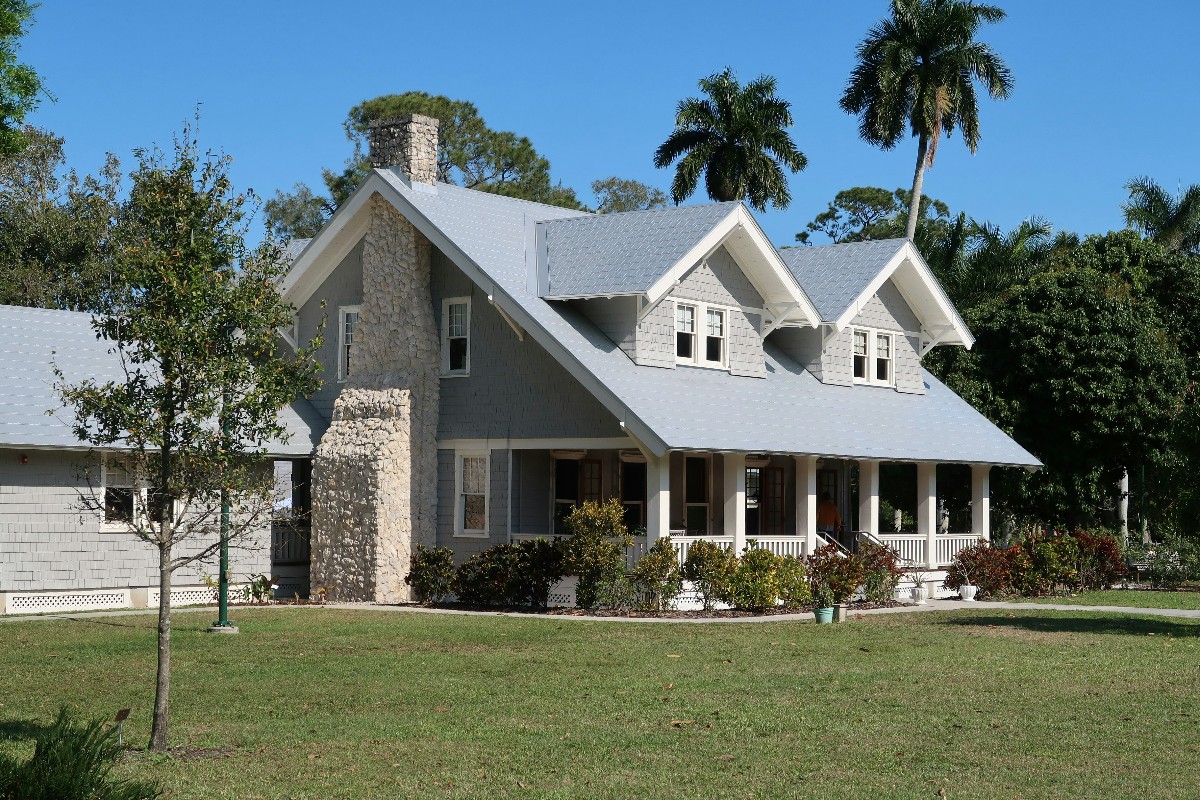
Most second-home owners believe their property is fine when they are away. They have smart locks, a Nest thermostat, maybe a security camera pointed at the front door. What they often do not have is a person who physically walks through the home on a regular schedule and knows what to look for. According to Clem McDavid, founder of HomeLedger, the problems that cost owners the most money are rarely the dramatic ones. They are the slow, invisible failures that compound over weeks and months with no one around to catch them.
The gap between “connected” and “covered” is where most vacation property damage actually happens.
The Problems That Actually Show Up
Power surges are one of the most common culprits. A surge knocks something offline, and in a primary residence you notice within hours. In a seasonal home you might not discover it for two months. By then, whatever failed to restart has had time to cause secondary damage.
Freezer doors are another one. A door that looks closed but is not sealed properly will either freeze everything solid and shut the unit down or let everything melt. Neither outcome is obvious until someone opens it.
Leaky faucets, both interior and exterior, are easy to dismiss as minor. Left unaddressed for a season in a vacant property, they become water damage, mold, and structural problems. The repair cost is not proportional to how small the original issue seemed.
Connected devices add another layer of false confidence. Smart thermostats and remote sensors are useful, but they depend on power and Wi-Fi. When either goes out, the device goes dark and the owner has no visibility into what is happening. The human element, someone physically present at the property, is not replaceable by a sensor.
When the Home Watch Relationship Breaks Down
Many second-home owners who have tried home watch services before and walked away describe the same pattern. The first few visits were thorough. The communication was regular. Then, gradually, it got quiet. Reports stopped arriving. Visits became harder to verify. By the time something went wrong, the owner had no documentation to fall back on and no real record of when anyone had last been at the property.
McDavid describes this as a structural problem, not a character flaw. Without a system that creates a verifiable, timestamped record of every visit, accountability depends entirely on the goodwill of the operator and the memory of the homeowner. That is not a reliable standard.
What Verified Oversight Actually Looks Like
A homeowner who wants to genuinely assess whether their home watch company is doing the job should be asking for specific things: GPS-verified visit records, timestamped photos, and reports that arrive automatically rather than on request. If getting a report from three weeks ago requires a phone call and some digging, that is a gap in the system.
The standard McDavid describes is straightforward. If a homeowner calls and asks for a report from a visit that happened three weeks ago, the operator should be able to produce it in under three minutes. If that is not possible, the recordkeeping is not fit for purpose.
Coastal and Seasonal Markets Carry the Most Risk
Seasonal vacation markets amplify everything. Properties in Nantucket, Naples, and the Florida coast sit in environments with extreme weather patterns, salt air, and temperature swings that accelerate wear on every system in the building. A small issue that might sit unnoticed for months in a temperate climate can turn into a significant repair within weeks in a coastal environment.
McDavid uses a straightforward analogy. Skipping an oil change is technically possible. You can push past the recommended interval and probably get away with it for a while. But the longer you go, the worse the eventual outcome, and the cost of fixing the problem is always far greater than the cost of the maintenance you skipped.
For second-home owners evaluating their current oversight arrangements, HomeLedger’s Watch Tower platform is built specifically for the home watch industry and designed to bring that level of accountability to operators of any size.
HomeLedger is a property technology company focused on the home watch industry. Its Watch Tower platform is built for home watch operators managing vacant and seasonal properties on behalf of absent owners.
This article is based on information provided by the expert source cited above. It is intended for general informational purposes only and does not constitute legal, financial, or real estate advice. Readers should conduct their own research and consult qualified professionals before making any real estate or financial decisions.
Disclosure: Individuals or companies mentioned may have a commercial relationship with KeyCrew.
Similar Articles
Explore similar articles from Our Team of Experts.