

The Wood River Valley presents a distinctive commercial real estate environment that stands apart from other resort destinations. Unlike major markets such as Aspen or Vail, this Idaho regio...

In the Philadelphia Suburbs, Pennsylvania, Overpricing and Skipped Inspections Are the Biggest Threats to Deals

Written by:
Date:
17 Jul 2026
Share via Facebook

Share via Linkedin

Share via X

Copy to clipboard

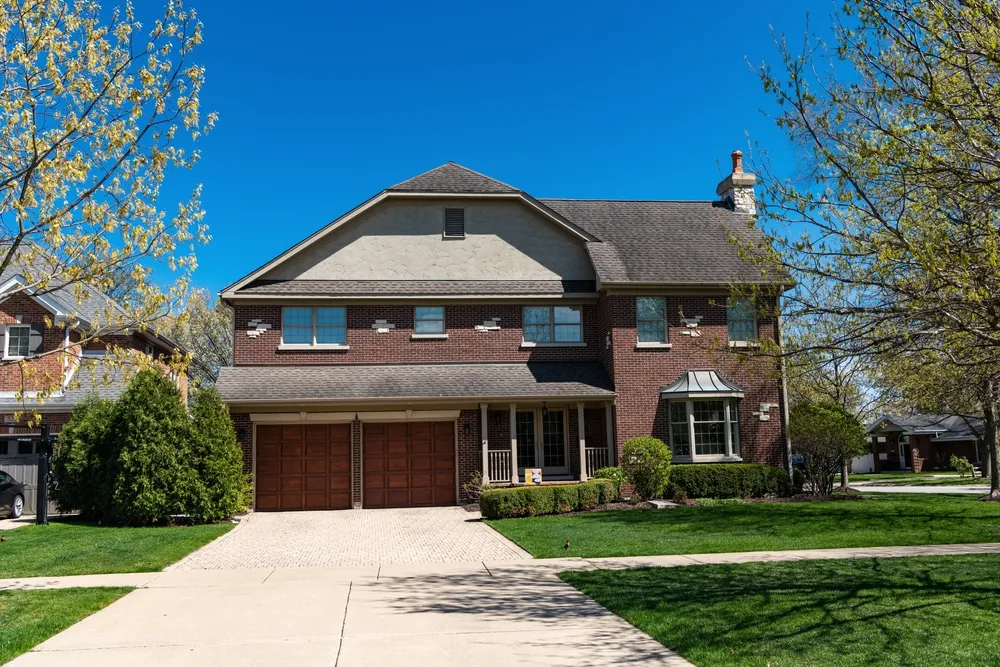
The Philadelphia suburbs have not experienced the wave of price reductions spreading through other U.S. markets in 2026 – but that does not mean transactions are closing without friction. The pressure points are specific: buyers who overbid without the cash to cover appraisal gaps, and sellers who refuse home inspections in a market that no longer justifies that stance.
According to Edward Anderson, a Realtor with RealtyMark Associates, the market is steady but requires careful navigation. The Pennsylvania Association of Realtors’ economic advisor projects interest rates to remain around 6.5% through the end of 2026. This level continues to create hesitation among buyers hoping for lower rates that may not materialize.
The Appraisal Gap Problem
Over the past two years, bidding wars pushed buyers to offer well above asking price. That trend is now subsiding, but the risks it created remain instructive for anyone entering a transaction today.
Anderson describes the mechanism directly: a buyer offers $20,000 above asking to win a property, but the lender orders an appraisal. If the appraiser values the home below the contract price, the buyer must produce additional cash to cover the difference. “What happens if it doesn’t appraise for the value that you are buying for?” Anderson said. “They have to come up with the extra money.”
Many buyers made those offers without having reserves to cover a shortfall. Appraisers may stretch valuations to some degree, but when they land below the contract price, the buyer faces a choice between producing additional cash or losing the deal. Anderson noted that this dynamic is easing, which he considers a positive shift for the market’s health.
Home Inspections Are Still a Battleground
Even as overbidding cools, some sellers continue to reject inspection contingencies, a holdover from the more competitive conditions of recent years. In a market with adequate inventory, this stance carries real risk for both sides.
Anderson advises all his buyers to insist on inspections regardless of seller pushback. “I try to tell all my buyers, you have to get a home inspection. If they don’t want to go with it, we’ll go to the next house,” he said.
His advice to sellers runs in the same direction: get your own inspection before listing. A repair left unaddressed tends to cost more during negotiation than the repair itself. “What’s the buyer going to do? They’re going to offer you 2,000 less, not 1,000,” he said. “Do the repair, get the true value of the property, and you both win.”
For buyers, this means they can still walk away from sellers who refuse inspections without losing access to the market; inventory levels across the Philadelphia suburbs support that leverage. In tight submarkets where inventory is genuinely scarce, waiving inspections may still be the cost of competing. But across the region broadly, Anderson assesses that buyers who insist on inspections will find willing sellers elsewhere.
Pricing Correctly Still Beats Price Reductions
While national coverage highlights rising price reductions, the Philadelphia suburbs tell a different story, at least for properties priced accurately from the start. The distinction matters: listings that sit for hundreds of days on the MLS are typically the result of sellers who pushed above recommended pricing at the outset.
“If you price it right the first time, you don’t have to look for a reduction,” Anderson said. He described a common dynamic where a seller insists on listing well above a recommended price, then watches the property stagnate. A listing sitting for 400 days signals overpricing to increasingly informed buyers who can access MLS data through consumer platforms like Zillow and Realtor.com.
The market’s price range – roughly $200,000 to $2 million – means sufficient inventory exists across most segments. That breadth works against sellers who overprice, since buyers have alternatives within a short radius.
Investment Properties
The investor segment of the Philadelphia suburbs market operates on different logic than the owner-occupant side. Emotional factors like curb appeal or proximity to a cemetery matter far less; rent-to-cost ratios and maintenance burdens drive decisions.
Anderson’s guidance to investors reflects hard-won experience: avoid condominiums due to unpredictable special assessments, avoid properties with large lots that inflate taxes and maintenance costs, and look for homes in appreciating neighborhoods where the subject property is below the area’s average value. He described receiving a $16,000 special assessment on a condominium he owned early in his career, the cost of repaving a parking lot, divided among unit owners, due within 30 days.
He also flagged contractor risk as a persistent problem for renovation investors. A recent client lost money to a contractor who took supply funds upfront and disappeared. Anderson now advises against any upfront payments. “If they don’t have their own credit source that they can go to Home Depot and buy their own supply, why should you buy it for them?”
For buyers considering investment properties in this market, Anderson emphasizes one qualification question for any agent they hire: ask whether the agent personally owns investment properties beyond their own home. An agent without landlord experience, handling repairs, collecting rent, and screening tenants, lacks the practical knowledge that investment transactions demand.
Waiting for Lower Rates
With rates projected to hold near six and a half percent, buyers sitting on the sidelines hoping for a drop face a straightforward tradeoff. “You’re going to miss the opportunity in the next couple months if you don’t come to terms with that’s what the market is,” Anderson said. Whether rates decline next year remains uncertain, and in a market with steady inventory and stable pricing, delaying a purchase does not guarantee better terms later. It may simply mean competing for the same properties at the same or higher rates.
About the Expert: Edward Anderson is a Realtor with RealtyMark Associates, serving the Philadelphia suburbs with 20 years of property management experience and involvement with a regional investor education group.
This article is based on information provided by the expert source cited above. It is intended for general informational purposes only and does not constitute legal, financial, or real estate advice. Readers should conduct their own research and consult qualified professionals before making any real estate or financial decisions.
Similar Articles
Explore similar articles from Our Team of Experts.