
If you’ve been shopping for a home in one of South Florida’s active adult communities lately, you may have noticed something strange. Some listings disappear in days. Others sit ...

Why Price Cuts Aren't Selling Older Homes in Concord and Salisbury, North Carolina

Written by:
Date:
18 Jul 2026
Share via Facebook

Share via Linkedin

Share via X

Copy to clipboard

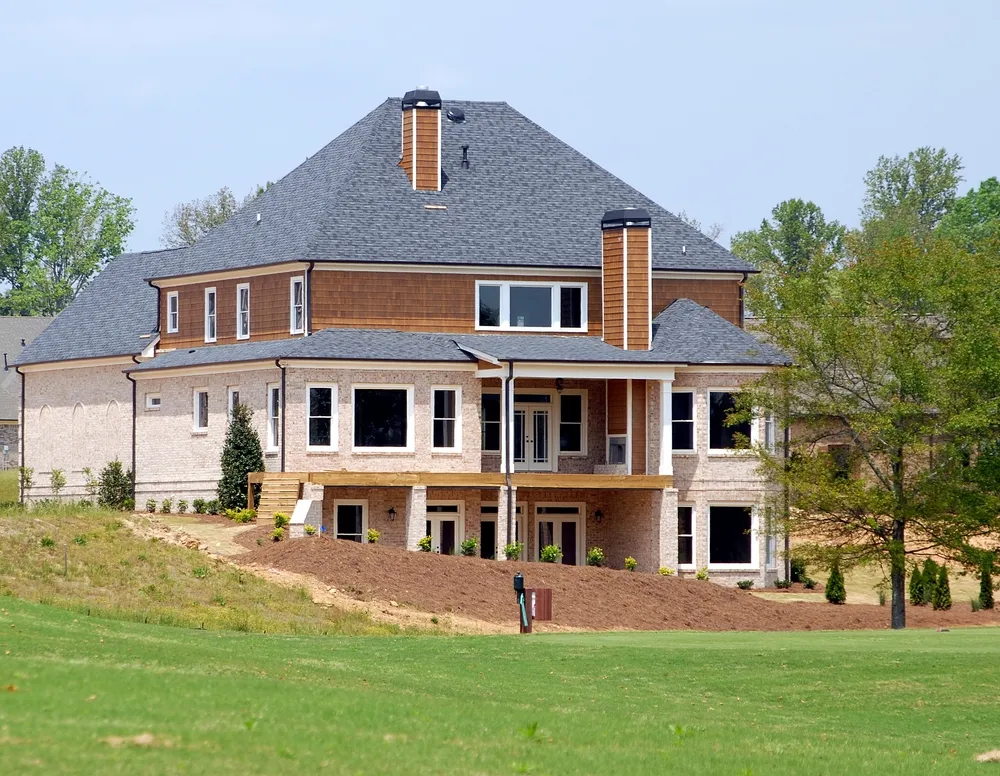
In some of the most desirable neighborhoods in Concord and Salisbury, North Carolina, homes are sitting on the market, not because they’re overpriced, but because the buyers who want them can’t afford what comes after closing. Standard seller strategies, including aggressive price reductions, aren’t solving the problem. The issue isn’t the mortgage. It’s the renovation bill waiting on the other side.
This disconnect is easy to miss from the outside, since the homes themselves look like solid opportunities on paper. But agents working these listings day to day are watching the same scenario repeat across multiple properties, which points to something more systemic than a run of bad luck.
The Hidden Cost Gap
Jayne Helms, a Real Estate Broker with RE/MAX Leading Edge, with 23 years in the Greater Charlotte market, sees this pattern playing out repeatedly in the area’s more established neighborhoods. Homes in these pockets were built decades ago and are occupied by long-term owners who have aged in place without updating kitchens, bathrooms, or mechanical systems. Now those owners are downsizing, and their homes are hitting the market with dated interiors that deter younger buyers.
The buyers exist. They have the income to qualify for the loan. But the gap between what they can borrow and what the home actually needs creates a dead zone that price alone can’t bridge. “They can afford the home, but they don’t have the cash to go in and rip everything out,” Helms says. A buyer might qualify for a mortgage on a home in the mid-$400,000s, but if the house needs extensive renovations to bring it current, the math collapses.
This is where seller logic breaks down. The instinct when a home doesn’t sell is to lower the asking price. But Helms observes that “reducing the price doesn’t help because it doesn’t make the people have enough extra money” to do the work. A price cut doesn’t hand the buyer cash for a new kitchen. It slightly lowers their monthly payment while the renovation cost remains unchanged.
New Construction as the Competing Option
The problem is compounded by competition from new construction. National builders like Ryan Homes and Meritage have entered the Salisbury market, offering brand-new homes with bought-down interest rates and zero deferred maintenance. Helms notes that builders are offering rates as low as 4.99 percent. For buyers without spare capital, a new-build home where nothing needs replacing for years is a safer financial bet than an older home in a nicer neighborhood that requires immediate, expensive work.
These new builds sell quickly in part because buyers can wrap everything into their loan. There’s no second financial hurdle waiting after move-in. For families with two incomes but limited savings, that certainty matters more than the prestige of an established address. As Helms puts it, “for 15 years, they don’t have any expenses of their house. The HVAC is going to work. They don’t need a new roof.”
What Sellers Face
This creates a difficult position for sellers of older homes in affluent areas. Their properties are in sought-after locations, often near private schools or country clubs, on larger lots with mature landscaping. The fundamentals are strong. But the condition gap is a wall that conventional pricing strategy can’t overcome.
The risk for these sellers is time. Days on market in Salisbury and surrounding submarkets are running around 55 to 56, according to Helms, well above the 33 to 35 days typical in the Charlotte metro core. Homes that need significant work sit even longer. And the longer they sit, the more buyers assume something is wrong beyond cosmetics.
There’s no easy fix. Renovation-loan products exist, but they add complexity and aren’t universally available at competitive rates. Some sellers invest in targeted updates before listing, such as a new kitchen or modern bathrooms, but that requires capital the sellers themselves may not have, particularly retirees downsizing on fixed incomes.
A Structural Mismatch
What remains is a structural mismatch: a generation of sellers whose homes reflect decades of stability, and a generation of buyers whose financial profile, marked by high income and limited savings, doesn’t match what those homes require. Price cuts alone won’t resolve it.
For buyers eyeing older homes in these neighborhoods, the calculation isn’t just whether they can afford the asking price. It’s whether they can afford the asking price plus what the house actually needs, and whether they’ll have that capital available on day one, not year five. Helms notes that homes in the Country Club of Salisbury area still hold their value despite their age, largely because of location. But holding value and being easy to sell are two different things, and right now, the gap between them is wide.
About the Expert: Jayne Helms is a Real Estate Broker with RE/MAX Leading Edge, with 23 years of experience serving the Salisbury and Concord markets along the I-85 corridor northeast of Charlotte, North Carolina. She also manages approximately 90 rental properties in the area.
This article is intended for informational purposes only and does not constitute legal, financial, or investment advice. The views and opinions expressed herein reflect those of the individuals quoted and do not represent an endorsement of any company, product, or service mentioned. Readers should conduct their own due diligence and consult qualified professionals before making any investment decisions.
Similar Articles
Explore similar articles from Our Team of Experts.