

Walk through any Silicon Valley neighborhood today, and you’ll spot a clear pattern: some homes sell within days, attracting multiple offers, while others linger for weeks and see price cu...

Buying Now at a Lower Price Beats Waiting for Lower Rates in San Antonio

Written by:
Date:
16 Jul 2026
Share via Facebook

Share via Linkedin

Share via X

Copy to clipboard

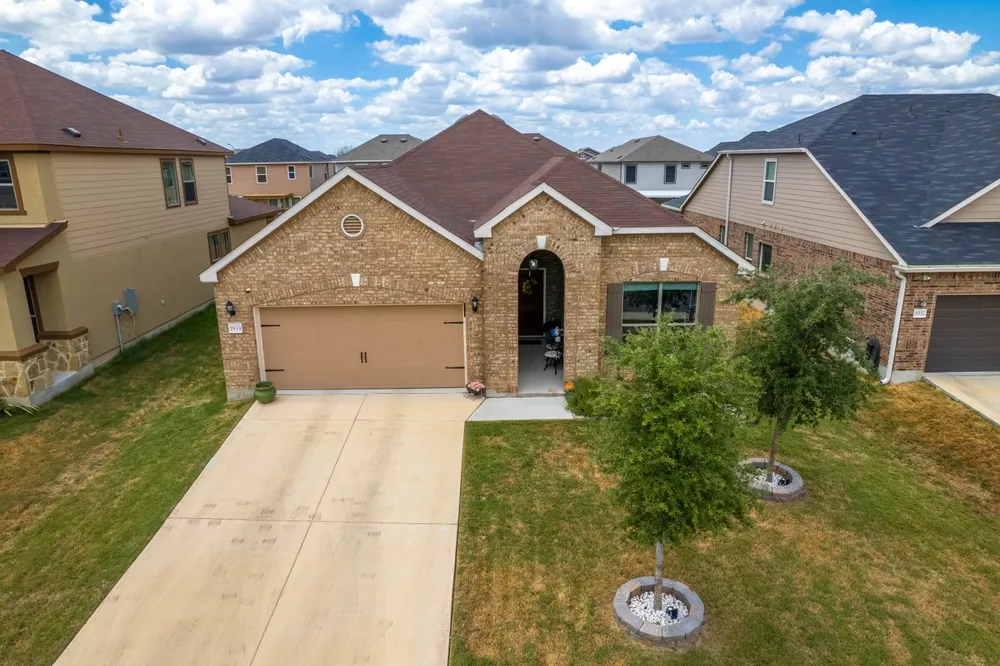
A mortgage rate is refinanceable. A purchase price is not. That asymmetry is the core argument agents in declining-price markets are making to buyers who have spent two years waiting for rates to drop – and it cuts against the logic that has kept many on the sidelines since 2024.
According to Audrey Ethridge, Founder / Team Lead of North Star Property Group at eXp Realty in San Antonio, the fixation on rate is the single biggest miscalculation buyers in her market are making right now. She works residential sales across the San Antonio metro and Texas Hill Country, and what she sees in mid-2026 is that buyers who stopped waiting are finding concessions, negotiating power, and prices that weren’t available during the pandemic-era frenzy.
Ethridge points to what happened to buyers who purchased during the low-rate period. They locked in rates near historic lows but paid inflated prices. Now those owners are stuck. “People who bought them are having trouble selling now, because they can’t change that,” she says. Their principal balance reflects a price the market no longer supports, and no refinance can fix it.
A buyer who purchases today in San Antonio – where prices have been declining month over month – locks in a lower principal amount. The rate is higher, but rates move. Ethridge draws from her own experience: she bought a home in 2004 at 6.5 percent, then refinanced six years later to 4 percent on a 15-year term, cutting nine years off her payments. Today’s rates aren’t historically unusual, she notes – they just feel unusual after the anomaly of the pandemic years.
This doesn’t mean buying right now is without risk. Prices in San Antonio are still falling as of mid-2026, and there’s no clear signal they’ve bottomed. A buyer who purchases today could see further depreciation before values stabilize. And the assumption that rates will eventually decline enough to justify a refinance is just that – an assumption, not a guarantee.
Still, Ethridge observes that buyer behavior is shifting. After two years of hearing that rates would drop soon, many have stopped waiting. She describes a growing acceptance that “this is maybe what the market’s going to be like for a while,” and buyers are adapting by using seller-paid closing costs, rate buydowns, and graduated-rate structures to make the current environment work.
One structure gaining traction is the 3-2-1 buydown, where the buyer’s rate starts lower in the first year, steps up in the second, and reaches the full fixed rate in the third. Unlike an adjustable-rate mortgage that can climb indefinitely, this structure caps at the current market rate – meaning the buyer knows their worst-case payment from day one while saving money in the early years. Sellers or builders often fund these buydowns as a concession to move inventory.
The negotiating leverage available to buyers extends beyond rate structures. Ethridge reports that sellers are routinely giving money back at closing – funds buyers can apply toward buying down their rate or covering transaction costs. In a market where sellers are competing against each other for a smaller pool of active buyers, those concessions weren’t available when multiple offers were the norm.
The counterargument is obvious: if prices keep falling, wouldn’t it be smarter to wait longer? Perhaps. But that calculation requires predicting both the floor of the price decline and the timing of any future rate movement – two variables no one controls. The case Ethridge makes is more modest: that today’s combination of lower prices, available concessions, and a refinanceable rate creates a financially defensible position, even if it doesn’t feel emotionally comfortable.
Ethridge reports that homes under $250,000 are already drawing strong showing activity, while the $400,000 to $600,000 range remains saturated with competing listings. For buyers shopping in that higher band, negotiating leverage may be at its peak right now. New construction adds further pressure on resale homes in that range – builders are paying closing costs and buying down rates, forcing existing homeowners to compete on terms they often can’t match.
For buyers weighing whether to act, the question is not whether rates will eventually fall. It is whether the price they lock in today, combined with the concessions available in a buyer-favoring market, leaves them in a stronger position than entering later at a potentially higher price with less leverage. Ethridge’s answer – based on watching the same cycle play out over nearly two decades in this market – is that it does.
About the Expert: Audrey Ethridge is Founder and Team Lead of North Star Property Group at eXp Realty, serving the San Antonio and Texas Hill Country corridor.
This article is intended for informational purposes only and does not constitute legal, financial, or investment advice. The views and opinions expressed herein reflect those of the individuals quoted and do not represent an endorsement of any company, product, or service mentioned. Readers should conduct their own due diligence and consult qualified professionals before making any investment decisions.
Similar Articles
Explore similar articles from Our Team of Experts.



Perspectives, Market Analysis & Policy, Industry News, Residential Real Estate, Commercial Real Estate
St. Joseph’s housing market is using a state incentive program to address local housing shortages and support development, according to Kelly Ewalt, Development Director for the city, St. ...