

Home staging isn’t just for high-end properties or sellers with unlimited budgets. In Las Vegas, more sellers are finding that professional staging leads to faster sales and higher offers,...

Why LA's Tough Building Rules Push Developers Toward Conversions Over New Construction

Written by:
Date:
14 Jul 2026
Share via Facebook

Share via Linkedin

Share via X

Copy to clipboard

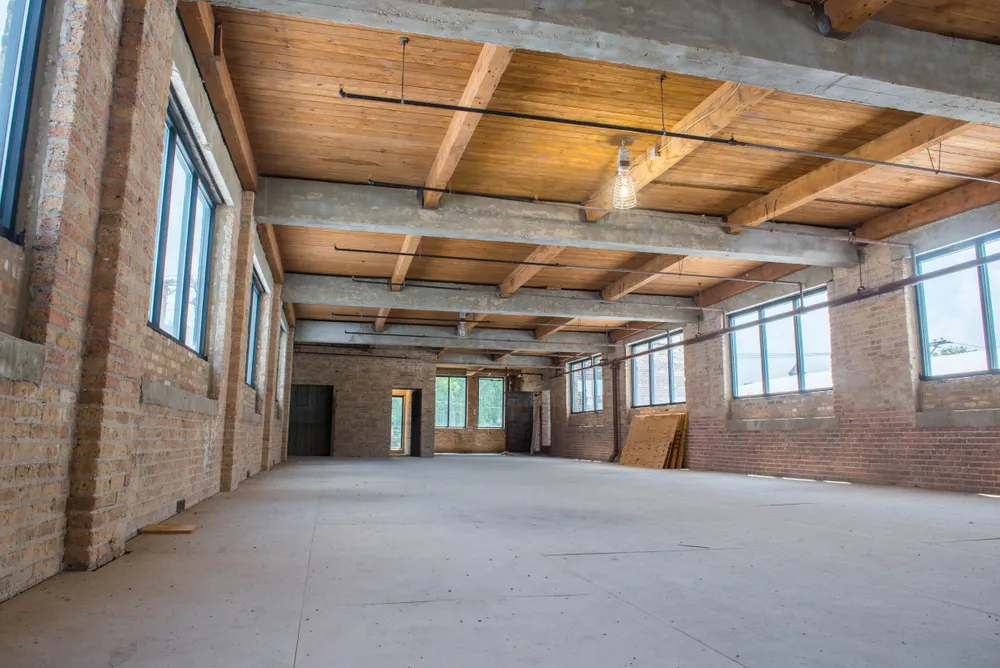
If you are shopping for a home or investment property in Los Angeles in 2026, you may have noticed something about the available inventory: a growing share of it was not built from scratch. It was converted. Former industrial buildings turned into lofts. Old warehouses now housing creative offices. Structures that once served manufacturing repurposed into residential or mixed-use spaces. This is not an accident. The regulatory environment that drives these conversions directly affects what you can buy, how much it costs, and how it holds value.
Developers who have worked through LA’s permitting system for decades describe it in stark terms. Daren Laureano, CEO and co-founder of Southern California Equity, Inc., a firm that has repositioned more than 250 properties over 25 years in the Los Angeles market, calls it “utterly ruthless, difficult.” His firm’s entire strategy evolved around the premise that ground-up construction in LA’s most desirable areas is so burdened by regulatory delay that it is often a poor investment relative to repositioning an existing structure.
Repositioning Beats Building
Stu Laureano, the firm’s director of investor relations, explains the strategic logic: an existing building has an established footprint, established entitlements, and a permitting history that – while sometimes complicated – provides a faster path to occupancy than starting from bare dirt in a jurisdiction where new-construction approvals can take years. “We’re not going to build from the ground up,” he says. “We’re going to reposition existing structures in very desirable areas.”
This dynamic shapes the housing market in ways that matter to ordinary buyers. When ground-up development is suppressed by regulation, new supply enters the market primarily through conversions and adaptive reuse. That means the homes and condos available in desirable West Side neighborhoods often carry the bones of their industrial past, higher ceilings, open floor plans, concrete and steel construction, rather than the layout of a purpose-built residential building.
What Buyers Gain And Risk
For buyers, this creates both advantages and trade-offs. Converted structures in LA often sit on larger lots, in established commercial corridors with good transit access, and carry architectural character that new builds cannot replicate. But they also come with quirks: unusual floor plans, limited closet space, noise transmission issues due to concrete construction, and occasionally unresolved code compliance questions arising from the conversion process itself.
The value proposition for converted properties in these conditions rests on scarcity. When new supply is constrained by permitting delays, existing structures that have already been entitled and converted become more valuable over time because so few new alternatives can reach the market. Daren Laureano points to a recent example: properties his firm repositioned for a high-profile entertainment client sold at strong profits even in what he describes as a depressed real estate market, evidence that well-executed conversions retain value even when broader conditions soften.
Verifying A Conversion’s Legitimacy
The risk, however, is real. Not every conversion is well executed. Buyers considering a converted property – whether a warehouse loft or an industrial-to-residential condo – should verify that the conversion was fully permitted, that the certificate of occupancy reflects current residential use, and that any conditions of approval have been satisfied. An incompletely permitted conversion can create financing difficulties, insurance gaps, and resale problems that erase whatever discount attracted the buyer in the first place.
For sellers, the implication is that converted properties in supply-constrained LA submarkets may hold value better than comparable-price new builds in areas where permitting is easier and future supply can erode pricing power. The scarcity premium is structural, not cyclical; as long as LA’s regulatory environment remains hostile to new construction, the converted inventory in desirable corridors benefits from limited competition.
A Scarcity That Protects Value
Stu Laureano captures the core frustration that drove the strategy: “Designing something on paper, having a cool model, doesn’t generate cash flow.” In a market where approvals take years, the fastest path to a functioning, revenue-generating asset is one that already exists in physical form. For buyers, that means the converted loft or repurposed warehouse you are looking at exists precisely because building something new in that location was too difficult, and that same difficulty is what protects its value going forward.
One data point worth checking before you buy: the City of Los Angeles publishes processing times for different permit types. As of early 2026, discretionary approvals for new multi-family projects in several West Side planning areas averaged well over twelve months just for initial review, not including appeals, environmental review, or construction permitting. That timeline explains why conversions dominate new inventory in these areas.
About the Expert: Daren Laureano is CEO and co-founder of Southern California Equity, a commercial real estate firm with 25 years of experience and approximately 250 transactions across the Los Angeles market, specializing in repositioning distressed industrial and commercial properties for media, technology, and creative tenants.
This article is intended for informational purposes only and does not constitute legal, financial, or investment advice. The views and opinions expressed herein reflect those of the individuals quoted and do not represent an endorsement of any company, product, or service mentioned. Readers should conduct their own due diligence and consult qualified professionals before making any investment decisions.
Similar Articles
Explore similar articles from Our Team of Experts.