
Your home has been on the market for three weeks. You’ve dropped the price once, staged the living room, and still – no offers. Meanwhile, the new construction development down the stree...

The Wait for Boston-Area Housing Is Longer Than You Think

Written by:
Date:
09 Jul 2026
Share via Facebook

Share via Linkedin

Share via X

Copy to clipboard

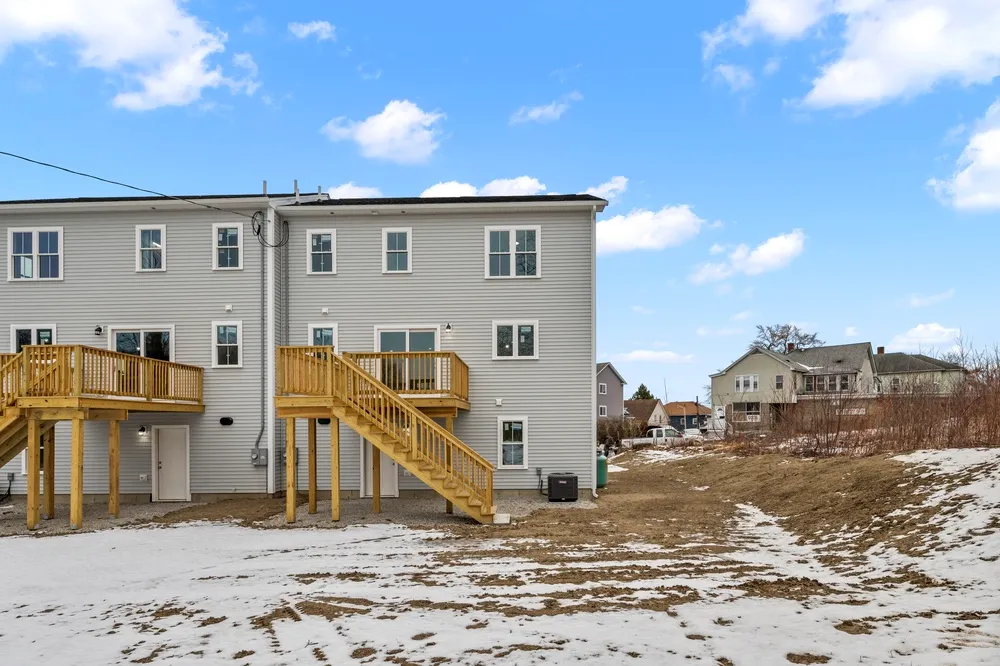
If you’re a buyer in the Boston area counting on new housing supply to bring prices down or at least slow their climb, the wait may be longer than you think. The reason has less to do with developer appetite and more to do with how projects actually move from concept to construction in 2026.
Market observers working closely with New England developers describe a pattern that has intensified over the past year: builders are acquiring sites with cash, then spending months or longer grinding through the entitlement and permitting process before they ever seek construction financing. That front-end timeline is largely invisible to buyers watching for cranes and construction fences, but it determines when units actually arrive.
The Hidden Front-End Timeline
Mario Massimino, Senior Vice President of Sales at Ascent Developer Solutions, a private credit provider with a recently launched Boston office, describes how developers typically buy properties in cash, work through entitlements, and only reach out for construction financing once a site is shovel-ready. “A lot of developers are acquiring properties in cash, going through the entitlement process, and then once it’s ready, reaching out to us,” he says.
This sequence matters because the gap between a developer buying a property and a buyer purchasing a finished unit is wider than it appears. A site acquired today may not receive entitlements for six months to a year, depending on the municipality. Only then does construction financing begin – adding another closing process, followed by actual construction that can run 12 to 18 months for heavier New England projects.
Years, Not Months, To Delivery
Add those stages together, and you’re looking at two to three years from acquisition to finished product in many cases. Yet from the outside, the only visible phase is the construction itself. The entitlement period – during which the project exists only as paperwork – creates a hidden lag in supply delivery.
The cash acquisition strategy exists for practical reasons. Developers use it to move quickly on competitive deals without waiting for loan approval. It also gives them leverage in negotiations with sellers who prefer certainty of close. But it means developers are deploying significant equity early and carrying that cost through a long pre-construction period. That cost eventually shows up in the price of finished units.
Activity Doesn’t Mean Delivery
Massimino notes that activity is strong across the region, with developers pursuing projects ranging from small fix-and-flips to large-scale townhome developments. Demand is clear – there’s a housing shortage and developers are actively seeking opportunities to add supply. But intent doesn’t equal delivery. A developer who wants to build affordable units still has to survive an entitlement timeline, secure financing, and complete construction – each stage adding months and costs.
There’s also an underappreciated risk built into this pipeline structure. When developers commit cash to acquisitions months or years before construction begins, they’re betting on what the market will look like when units are finally ready. If rates shift, material costs spike, or buyer demand softens during that window, projects can stall or get repriced. That uncertainty is especially acute in 2026, when tariff concerns and rate volatility make forward projections harder than usual.
What Buyers Should Track Instead
For buyers, the practical takeaway is this: permitted projects are not the same as imminent supply. A project that just received entitlement approval still faces financing, site work, and construction phases that could stretch well into 2028. Tracking municipal permitting records – not just active construction sites – gives a more realistic picture of when new units might actually hit the market.
One project illustrates the scale of these timelines. Massimino’s team is currently working with a developer on a 157-townhome development that recently received entitlement approval after being acquired as unentitled land. The project will move through horizontal site construction before converting to vertical building – a two-phase process that adds timeline even after financing is secured. Buyers watching that neighborhood may see dirt moving soon but won’t see finished, purchasable units for considerably longer. As Massimino puts it, “Speed is everything in this business” – but speed during construction can’t make up for the months already spent waiting for approvals that no one outside the industry ever sees.
The broader implication for Boston-area buyers is that relief from tight inventory is unlikely to arrive as quickly as the volume of developer activity might suggest. Projects are moving forward, but each one carries a multi-year timeline that remains mostly hidden until shovels hit the ground. Buyers making decisions in 2026 should plan around today’s supply conditions rather than banking on a wave of new units that remains years from completion.
About the Expert: Mario Massimino is Senior Vice President of Sales at Ascent Developer Solutions, leading the firm’s Boston office and Northeast expansion. His background includes prior experience as a partner at MB Financial on the development side of the business.
This article is intended for informational purposes only and does not constitute legal, financial, or investment advice. The views and opinions expressed herein reflect those of the individuals quoted and do not represent an endorsement of any company, product, or service mentioned. Readers should conduct their own due diligence and consult qualified professionals before making any investment decisions.
Similar Articles
Explore similar articles from Our Team of Experts.