
Commercial real estate’s electric vehicle revolution is forcing attorneys to write an entirely new legal playbook, according to one leading practitioner working at the intersection of ...

Condos Are Lagging in New York's Bergen and Hudson Counties. Here Is Why

Written by:
Date:
15 Jul 2026
Share via Facebook

Share via Linkedin

Share via X

Copy to clipboard

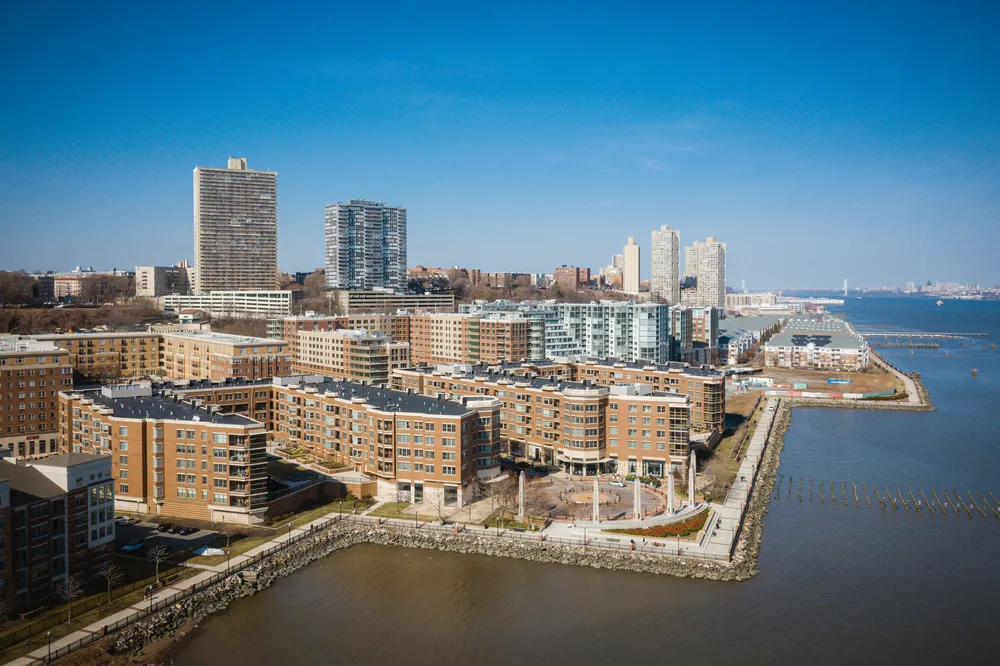
Not every property type benefits equally from a tight housing market. In Bergen and Hudson Counties, two of the most supply-constrained corridors in the New York metro area, single-family homes and small multifamily buildings are drawing multiple offers and selling briskly. But condos and townhouses are falling behind, weighed down by a double cost squeeze that buyers are increasingly unwilling to absorb.
Jorge Aviles, team director of Prism Realty Group at Prominent Properties Sotheby’s International Realty, has tracked this divergence across his 20-plus years covering the northern New Jersey market. He identifies two forces working against condos simultaneously: mortgage pricing and HOA fees.
Two Forces at Work
The mortgage pricing issue is structural. Lenders treat condo loans differently from single-family loans; rates tend to run slightly higher, and underwriting standards can be tighter, particularly for buildings with low owner-occupancy ratios or pending litigation. When baseline rates are already elevated, that additional spread prices more buyers out of the condo segment specifically. “Much slower would be condos, townhouses, because mortgages on condo townhouses are priced differently, and also you have HOA,” Aviles said.
Then there are HOA fees. In a market where buyers are already stretching to qualify at current interest rates, a monthly HOA payment of several hundred dollars effectively reduces their purchasing power further. The qualifying calculation for a mortgage includes the HOA as part of the debt-to-income ratio, so a buyer who can afford a single-family home at a given price point may not qualify for a condo at the same price once the HOA is factored in.
Multifamily Moves Differently
The contrast with small multifamily properties is stark. Investors evaluating two-to-four-unit buildings can use projected rental income to offset their debt ratios, and they buy based on cap rates and cash flow rather than personal affordability. The same interest rate environment that squeezes condo buyers barely registers for an investor whose tenants are covering the mortgage. “What’s moving quickly is multifamilies – two, three, four units – investors want that pretty quickly,” Aviles noted.
This creates an unusual dynamic: the overall market remains a seller’s market; Aviles pointed to absorption rates that still favor sellers – but condo and townhouse sellers are not experiencing that advantage equally. They face longer days on market and less competitive offers than owners of single-family or multifamily properties in the same zip codes.
A Narrower Buyer Pool
For a condo owner thinking about selling, this gap matters. Pricing at what a comparable single-family home achieved per square foot may not work. The buyer pool for a specific unit is narrower, because every potential buyer has to pass a tighter financial filter. Overpricing by even a small margin can result in a listing that sits, even in a market where inventory is broadly tight.
For buyers, the flip side is that condos may represent the only segment where negotiation leverage exists right now. Aviles said concessions remain rare across the broader market, but the slower pace of condo sales suggests that motivated sellers in that segment are more flexible than their single-family counterparts. A buyer who is comfortable with HOA costs and can qualify for the slightly higher rate may find less competition than expected.
The Hidden HOA Risk
The risk is that HOA costs are not fixed. They tend to rise over time as buildings age and require capital improvements. A condo that looks affordable today can become a financial strain three or five years from now if special assessments hit or monthly fees jump. Buyers should review the HOA’s reserve fund and recent assessment history before interpreting a lower purchase price as a bargain.
One additional pressure point worth noting: Bergen County towns with newer condo developments often carry higher HOA fees than older buildings because of amenity packages – pools, gyms, concierge services – that inflate operating costs. A buyer comparing two condos at the same list price but different HOA levels is really comparing two different total monthly costs, and the cheaper-looking option may not be cheaper at all once the full payment is calculated.
A Financing Penalty
Aviles noted that the commercial segment faces a similar affordability constraint, with down payments running 30 to 35 percent, a reminder that across property types, the current rate environment punishes leveraged buyers more than cash buyers. For condo buyers and sellers alike, the takeaway is that this segment’s underperformance is not a sign of weak demand overall, but rather a specific financing penalty that narrows the buyer pool and slows transaction pace even in otherwise competitive markets.
About the Expert: Jorge Aviles is Team Director at Prism Realty Group with Prominent Properties Sotheby’s International Realty, with more than two decades of experience across Hudson and Bergen Counties in northern New Jersey. His background includes commercial banking and Wall Street trading.
This article is intended for informational purposes only and does not constitute legal, financial, or investment advice. The views and opinions expressed herein reflect those of the individuals quoted and do not represent an endorsement of any company, product, or service mentioned. Readers should conduct their own due diligence and consult qualified professionals before making any investment decisions.
Similar Articles
Explore similar articles from Our Team of Experts.