Commercial real estate’s electric vehicle revolution is forcing attorneys to write an entirely new legal playbook, according to one leading practitioner working at the intersection of property law and EV infrastructure.
Alain R’bibo, Partner at Allen Matkins, says his firm is essentially creating new legal frameworks from scratch as the commercial real estate industry races to accommodate electric vehicle charging needs. “When clients come to us and say, ‘Hey, we need a form for this,’ and our associates ask ‘Where’s the form for that?’ there is no form,” R’bibo explains. “We’re going to cobble together based on our experience in related fields and industries. We’re kind of creating it.”
The Infrastructure Challenge
The rapid growth of commercial EV fleets is driving demand for creative real estate solutions, particularly along California’s major transportation corridors. According to R’bibo, the challenges extend far beyond simply installing charging stations.
“Some places have power, some places don’t, in which case, okay, we’ll build a solar field,” R’bibo says, describing how his team approaches sites with insufficient electrical capacity. This has led to innovative hybrid solutions combining multiple property uses.
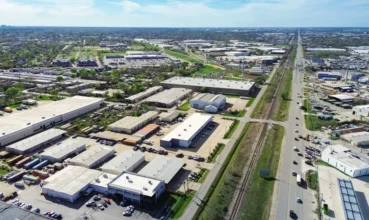
One emerging model involves retrofitting existing industrial properties. “Do we look at industrial buildings and start putting solar on those rooftops so that you got the trucks already going there?” R’bibo asks. “There is that somewhere where they come in and make double use of that charging.”
Creating New Legal Standards
The lack of established legal frameworks means attorneys must draw from multiple practice areas to structure these new types of deals. R’bibo notes his firm leverages expertise across environmental law, land use permits, and construction to tackle the novel challenges posed by EV infrastructure projects.
“We happen to be based in California,” R’bibo says, explaining why his firm has found itself at the forefront of this trend. “California is usually at the forefront of a lot of these environmentally or green trends.”
The Path Forward
While R’bibo’s firm represents several leading EV manufacturers and infrastructure developers, he notes that the industry is still in its early stages. The need to create entirely new legal documentation suggests the real estate industry’s adaptation to EVs remains a work in progress.
For property owners and developers interested in EV infrastructure, R’bibo suggests the key is remaining flexible as the market evolves. His firm’s experience indicates that successful projects often require creative approaches to both physical infrastructure and legal structuring.