Recent shifts in active adult buyer preferences are highlighting trends toward privacy, maintenance-free living, and boutique community experiences, according to Jessica Quillen, Chief Marke...

Mississippi Gulf Coast Homes Under $250K Still Draw Multiple Offers – Above That, Sellers Wait

Written by:
Date:
15 Jul 2026
Share via Facebook

Share via Linkedin

Share via X

Copy to clipboard

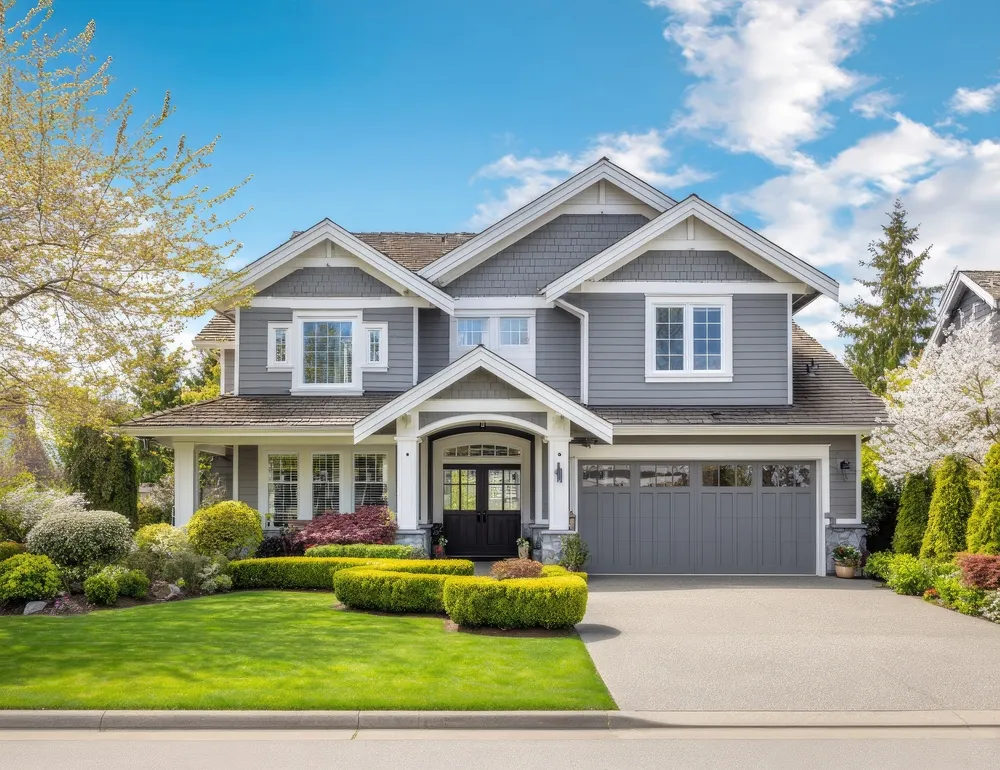
The Mississippi Gulf Coast housing market is not slow. It is split. Homes in good condition priced below $250,000 are still attracting multiple offers and selling within weeks. But properties priced above that threshold, particularly those where sellers are anchoring to pandemic-era valuations, are sitting for months. The agents working this market say the problem is not demand. It is pricing.
Randy Richardson, broker associate and team leader of The 4th Right Team at CENTURY 21 J. Carter & Company, has watched days on market nearly double since January. At the start of 2026, listings along the coast averaged roughly 44 to 46 days on market. By mid-year, that number climbed to around 76. But Richardson argues the headline number masks a sharper story underneath.
Where the Line Sits
The median price point in his market currently sits around $275,000 to $300,000. Below $250,000, homes that have been updated, a newer roof, newer HVAC, sound plumbing, and electrical are still competitive. Even smaller homes of 1,600 square feet on a quarter-acre lot move quickly at that price point. Richardson says the market at that level remains active, with some properties still drawing multiple offers.
Above that line, the picture changes. Sellers who bought or refinanced during the pandemic run-up are trying to recapture those peak prices. Values along the coast roughly doubled from pre-pandemic levels, then settled back down, still well above 2019 prices, but below the 2021-2022 highs. Richardson is direct about the source of the drag: sellers clinging to pandemic pricing are the ones driving up days on market across the board.
The Cost of Waiting
This creates a specific problem for sellers who need to move. Listing at a COVID-era price and waiting for the market to respond typically results in one or two price reductions over eight to twelve weeks before an offer finally arrives. Most homes do eventually sell within two to three months, according to Richardson, but the seller burns time and negotiating leverage in the process.
The hottest micro-markets illustrate the pattern clearly. Downtown Ocean Springs, with its walkability and proximity to restaurants and festivals, remains competitive. Bay St. Louis, on the western end of the coastline, also moves well when priced correctly. Properties south of the railroad tracks – closest to the beach – hold their value better than inland listings. But even in these desirable areas, overpricing stalls a listing.
Letting Go of 2022
For sellers, the implication is uncomfortable but straightforward. The comparable sales that matter are from the past three to six months, not from 2022. A home that sold for $320,000 during the pandemic surge may realistically need to list closer to $275,000 or $280,000 today to generate competitive interest. That is not a loss – it is still well above pre-pandemic value – but it requires letting go of a number that no longer reflects what buyers will pay.
For buyers, the split market creates opportunity in the sub-$250,000 range but demands patience. Competition at that price point means you may face bidding situations. Above $250,000, you have more leverage, but you also face listings that may need negotiation on condition issues, particularly around roofs and insurance.
A Market In Between
One dynamic worth noting: the market has not fully crossed into buyer’s market territory. Richardson describes it as somewhere in between; sellers still have enough leverage in desirable areas to resist making repairs or offering concessions. That middle ground can frustrate both sides.
Richardson references a pricing principle that captures the dynamic well: “If you price it low enough to get activity, you’re going to have more people active.” The logic is not about giving a home away. It is about generating enough interest to create competition, which often pushes the final sale price higher than a stale listing that started too high and drifted down.
What Sellers Should Watch
The practical number to watch is days on market by price band in your specific zip code. If homes at your target list price are averaging 70-plus days, that is the market telling you something. On the Mississippi Gulf Coast in mid-2026, the dividing line sits right around $250,000. Sellers who acknowledge that line and price accordingly are still moving homes quickly. Those who don’t are watching their listings age, and their leverage shrink with each passing week.
About the Expert: Randy Richardson is a Broker Associate and Team Leader of The 4th Right Team at CENTURY 21 J. Carter & Company, serving the Mississippi Gulf Coast from the state line to approximately an hour north toward Hattiesburg. Born and raised on the Gulf Coast, he also serves on local, state, and national real estate boards.
This article is intended for informational purposes only and does not constitute legal, financial, or investment advice. The views and opinions expressed herein reflect those of the individuals quoted and do not represent an endorsement of any company, product, or service mentioned. Readers should conduct their own due diligence and consult qualified professionals before making any investment decisions.
Similar Articles
Explore similar articles from Our Team of Experts.