

While coastal real estate markets often make headlines for dramatic price swings and speculation, Wichita, Kansas, has steadily established itself as a destination for investors focused on s...

Miami Luxury Home Prices Are Still Rising – But Buyers Are No Longer in a Rush

Written by:
Date:
03 Jul 2026
Share via Facebook

Share via Linkedin

Share via X

Copy to clipboard

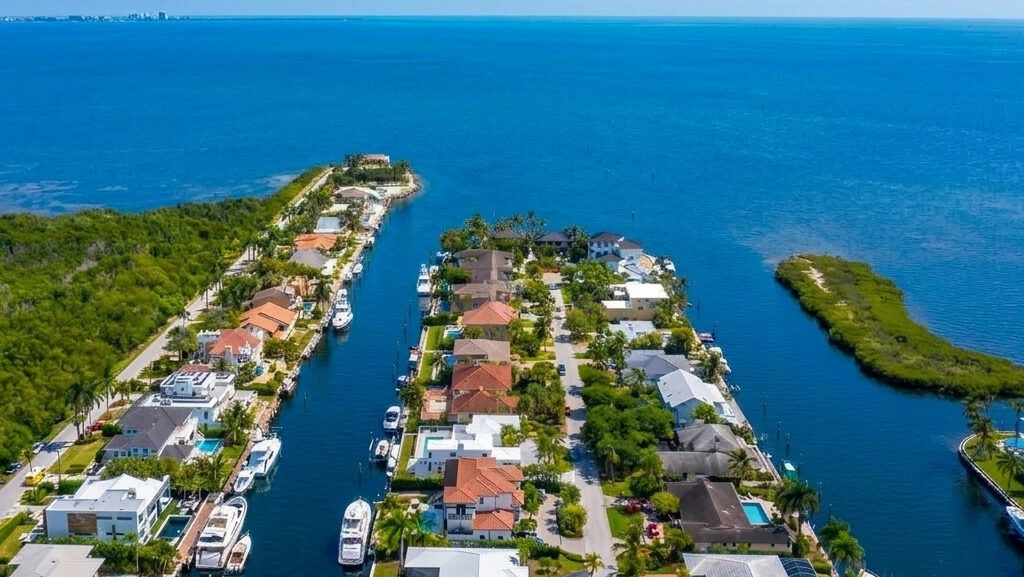
After years of frenzied buying driven by pandemic-era migration, remote work flexibility, and limited inventory, Miami’s luxury real estate market is settling into a slower but more sustainable pace. Inventory has loosened, decision timelines have stretched, and buyers are doing more research before committing. For Monica S. Betancourt, Founder and Team Leader of the Monica Betancourt Group at Coldwell Banker Realty, these changes signal a market finding its balance rather than losing momentum.
Prices are still projected to rise through 2026, but homes are taking longer to sell. “Houses and properties in general take a little bit longer to sell, but we still have a projected increase in the market for this year in pricing,” Betancourt notes.
More Than Sun and Sand
Miami’s appeal to luxury buyers extends well beyond the climate. Over the past decade, the city has become one of the most internationally connected real estate markets in the country, drawing buyers from Latin America, Europe, and across the United States. The school system alone reflects that diversity, with over 67 languages spoken in homes across Miami-Dade County.
Betancourt, who speaks Spanish and Portuguese and spent parts of her childhood moving between countries, says this international character shapes how buyers experience the city. “They get to Miami, and they find their spot, their place, their people,” she says. That sense of belonging helps convert second-home buyers into full-time residents, a pattern that continues to support long-term demand.
Pricing Discipline
If there is one consistent message Betancourt delivers to sellers, it is this: price correctly from day one. Today’s buyers arrive informed. They have studied comparable sales, reviewed market data, and are unwilling to overpay the way some did in 2021 and 2022, when limited inventory compressed timelines and inflated prices.
That environment is gone. A well-priced luxury home in Miami now typically takes two to three months to sell, a timeline Betancourt considers healthy rather than concerning. Sellers who resist realistic pricing tend to sit on the market far longer than necessary.
Presentation also plays a role. Staging, minor repairs, and landscaping influence how quickly a property moves and at what price. “We know what buyers are looking for, so it’s our duty to tell sellers this is what they’re going to expect to see,” she says.
Neighborhoods That Hold and That Are Rising
Within Miami’s broader luxury landscape, certain submarkets have demonstrated consistent resilience across market cycles. Coral Gables and Pinecrest stand out as two areas that recovered fastest after the 2008 downturn and continue to command premium pricing.
Coral Gables, developed by George Merrick and long known as the “City Beautiful,” has attracted an increasing number of law firms, banks, and corporate tenants to its downtown core, adding a commercial layer that reinforces residential demand. Pinecrest, with its larger lots and strong public school system, appeals to families seeking a suburban feel without sacrificing proximity to Miami’s business centers.
“Even back in the big crash in 2008, those two communities came back quickest, because they’re very well managed, very well regarded, and people want to continue living there,” Betancourt says.
At the same time, neighborhoods like Shenandoah and Silver Bluff are drawing interest from buyers priced out of more established areas. Situated between Coral Gables and Brickell, these traditionally working-class neighborhoods offer single-family homes with walkable access to the city’s financial and cultural core at prices that still leave room for appreciation. “They’re not in the ultra-luxury market,” Betancourt says, “but one day they will be.”
Where Investors Are Putting Capital
For investors deploying capital in Miami’s luxury segment, two primary opportunities stand out: waterfront single-family properties and branded pre-construction condos.
Waterfront lots in Coconut Grove, Miami Beach, and Coral Gables remain the most coveted assets. Buyers often acquire older homes on these lots, rent them while permitting is underway, and then build to their specifications. The land itself holds value regardless of what sits on it.
Pre-construction condos from established developers represent a different strategy. With a pipeline of high-profile projects running from Sunny Isles Beach through Coconut Grove, early buyers are generally well positioned to profit from resale. “If you bought pre-construction and your goal is to sell, you’re going to make money, because people want to keep living here,” Betancourt says. She notes, however, that timing the exit matters; holding through a period of high supply at delivery helps avoid competing with a wave of sellers in the same building.
The Commission Change in Practice
The NAR settlement, which took effect in 2024, changed how buyer-broker compensation is disclosed and negotiated, but its practical impact in Miami has been largely administrative. Compensation can no longer be advertised through the MLS, requiring agents to communicate directly about fees. “Commissions have always been negotiable,” Betancourt says.
In her experience, sellers who try to avoid paying buyer broker compensation often receive lower offers as a result. She points to a recent high-end listing that drew five offers within three days, all at or above the asking price where every buyer’s broker involved was being compensated. “All the offers came in at asking or above, which may not have been the case if the seller wasn’t offering buyer broker compensation,” she says.
A Policy Development
One emerging factor that could influence demand is Florida’s ongoing conversation around property tax reform. Governor Ron DeSantis has raised the possibility of reducing property taxes for homesteaded residents, which would add to Florida’s existing tax advantages over states like New York and California.
The proposal is not yet policy, but Betancourt notes that buyers and investors are tracking it. “If in addition to the existing tax advantages, they were also to get a property tax break on their homestead property, I’m sure that would incentivize them more,” she says.
Building for the Next Phase
The Monica Betancourt Group has historically leaned toward seller representation but is actively expanding its focus on luxury buyer clients, particularly those relocating from out of state or internationally. With over 80 percent of her business coming through referrals, the foundation is already in place. The goal is to make that capability more visible to the buyers already looking toward Miami.
Whether the client is purchasing a $30 million waterfront estate or signing a first lease, the approach remains the same: reduce friction, know the market deeply, and maintain the relationship long after the transaction closes. “We’re not leaving,” Betancourt says. “If you’re here for 10 years, we’re going to be in touch for 10 years and beyond.”
About the Expert: Monica S. Betancourt is Founder and Team Leader of the Monica Betancourt Group at Coldwell Banker Realty, serving Miami’s luxury residential market. She speaks Spanish and Portuguese and works extensively with international and domestic relocation buyers.
This article is based on information provided by the expert source cited above. It is intended for general informational purposes only and does not constitute legal, financial, or real estate advice. Readers should conduct their own research and consult qualified professionals before making any real estate or financial decisions.
Similar Articles
Explore similar articles from Our Team of Experts.