
“The slowdown or death of the valley has been forecast repeatedly and never seems to come to fruition,” reflects Phil Mahoney, Executive Vice Chairman at Newmark and one of Silic...

Slower Sales, Aging Roofs, and Outside Interest: What's Shaping Mississippi's Gulf Coast

Written by:
Date:
03 Jul 2026
Share via Facebook

Share via Linkedin

Share via X

Copy to clipboard

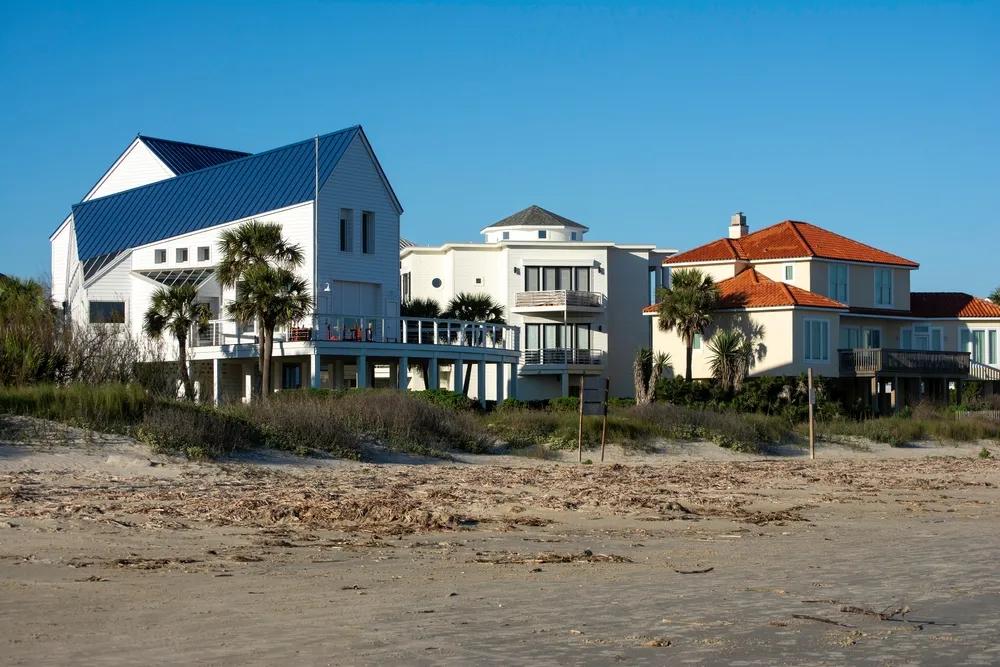
The Mississippi Gulf Coast has long flown under the radar compared to its flashier neighbors in Florida and Alabama. But a steady stream of relocating families, retiring military personnel, and curious visitors passing through on the way to somewhere else has quietly built a real estate market worth paying attention to. For those willing to look past the state’s broader reputation, the numbers, and the lifestyle, the numbers and the lifestyle tell a more interesting story.
Randy Richardson, Broker Associate and Team Leader of The 4th Right Team at CENTURY 21 J. Carter & Company, has been working this market since before it attracted outside attention. Born and raised on the Gulf Coast, he leads a referral-focused team operating from the state line to roughly an hour north toward Hattiesburg.
A Market That Has Cooled
After a strong run through the pandemic years, the Gulf Coast market has slowed noticeably. Days on market – the clearest indicator of pace – rose from around 44 to 46 days at the start of 2025 to approximately 76 days on average. Richardson began seeing the slowdown around mid-2024, and the trend has been consistent enough to signal a meaningful correction.
The market isn’t broken, but it is more selective. Properties in the right locations, at the right price, with updated mechanical systems are still moving. Everything else is sitting longer. Homes below $250,000 in good condition, newer roof, HVAC, plumbing, and electrical, still attract multiple offers. Above that threshold, activity drops and price reductions become more common before deals close.
The median price currently sits around $275,000 to $300,000, well above pre-COVID levels. Richardson estimates values roughly doubled from where they were before the pandemic, though they’ve pulled back from their peak. Sellers still chasing 2021 prices are, in his view, a primary driver of elevated days on market.
Insurance Is the Hidden Variable
While interest rates get most of the national attention when it comes to buyer hesitation, insurance is equally – if not more – consequential on the Gulf Coast.
The region’s exposure to flooding and storm damage means insurance costs weigh heavily on buyer decisions and lender requirements. A significant flooding event in June 2026 added fresh pressure to an already sensitive issue. Older roofs are a particular sticking point. Many homes received new roofs after Hurricane Katrina roughly 25 years ago, and those roofs are now aging out of favorable insurance treatment. Carriers are either penalizing them or refusing coverage entirely.
When insurance becomes the obstacle, deals don’t always fall apart cleanly. Richardson describes a range of outcomes depending on the experience of the agent involved, renegotiated terms, escrow holdbacks, and creative structuring. But when sellers adopt an “I don’t have to sell” posture, buyers often walk away entirely.
On a more optimistic note, private insurers are gradually returning to the Gulf Coast market. More competition in the insurance space could meaningfully reduce costs and unlock activity, particularly in the second-home segment.
The Military Factor
One buyer profile that distinguishes this market from most coastal areas is the consistent presence of active-duty and retired military personnel. The Gulf Coast is home to five military installations, including Keesler Air Force Base in Biloxi and a Coast Guard facility in Gulfport, creating a reliable pipeline of buyers who arrive for assignments and often return permanently after retirement.
Many purchase homes during their assignment, then decide whether to hold as a rental or sell when reassigned. Richardson accommodates remote buyers stationed overseas through FaceTime and virtual showings; sight-unseen transactions have become a practical necessity for this segment.
This dynamic creates baseline demand that insulates the market somewhat from broader sentiment swings. It also means agents working this market need to be comfortable with remote transactions and flexible communication.
Where Investors Should Look
For outside capital considering the Gulf Coast, the picture is mixed. Flipping is difficult right now. The distressed property pipeline that supported active flipping has largely dried up since COVID. “We’ve had very few neglected properties hit the market for flippers, so that market is very tough right now,” Richardson says.
The rental picture offers more realistic opportunity. Short-term rental infrastructure on the Gulf Coast remains underdeveloped compared to Florida or Orange Beach, Alabama, which Richardson frames as an opening rather than a drawback. Entry costs are lower, HOA fees on condos and townhouses tend to run $200 to $300 per month versus $1,000 or more in comparable Florida markets, and the competitive landscape is less crowded. “We’re still taking baby steps when it comes to short-term rentals,” he acknowledges.
The caveat is that returns will reflect a longer horizon. Investors expecting quick exits will likely be disappointed.
The Misconception Problem
Mississippi carries reputational baggage that the coast has been working to overcome. Local governments and marketing organizations have leaned into “Secret Coast” branding, an acknowledgment that the area’s appeal is real but undersold.
Richardson is candid about the most common objection: the water isn’t as visually striking as the Gulf beaches in Florida. Barrier islands create a different ecosystem, nutrient-rich and excellent for inshore fishing, but not the postcard-blue water that draws Instagram traffic. His counterargument is practical: lower cost of living means residents can actually afford a boat, and the boating culture – dinner on the water, island day trips, fishing – offers a quality of life that beach tourism doesn’t fully capture.
He’s seen the conversion happen in real time. A cluster of four or five families from the Chicago area visited over a couple of years, liked what they found, and bought. “I think those people will bring other people down here once they realize what the coast has to offer,” he says.
Looking Ahead
Richardson’s outlook for the next 12 months hinges on two variables: interest rates and insurance. If rates ease into the low-to-mid fives and private insurers continue re-entering the market, he expects the second-home segment to pick up meaningfully. That segment tends to pull additional buyers behind it, as owners bring family and friends who eventually become buyers themselves.
There’s also a policy dimension worth watching. Richardson, who sits on local, state, and national real estate boards, is tracking proposed capital gains tax reform that would raise exclusion thresholds from $250,000 to $500,000 for individuals and from $500,000 to $1 million for couples, levels unchanged since 1997. If passed, the change could free up inventory by making it more financially viable for long-term homeowners to sell.
For now, the Mississippi Gulf Coast remains a market defined by patience rather than momentum, one where realistic pricing, insurance navigation, and relationship-driven sales determine outcomes more than hype or speculation.
About the Expert: Randy Richardson is a Broker Associate and Team Leader of The 4th Right Team at CENTURY 21 J. Carter & Company, serving the Mississippi Gulf Coast from the state line to approximately an hour north toward Hattiesburg. Born and raised on the Gulf Coast, he also serves on local, state, and national real estate boards.
This article is based on information provided by the expert source cited above. It is intended for general informational purposes only and does not constitute legal, financial, or real estate advice. Readers should conduct their own research and consult qualified professionals before making any real estate or financial decisions.
Similar Articles
Explore similar articles from Our Team of Experts.