

Jacksonville area agent Allyson Mecca of LoKation has discovered powerful synergies between investment and retail real estate, creating what she describes as a “Venn diagram” of ...

Florida's Fort Pierce Has Plenty of Homes for Sale – What It Lacks Is Jobs to Fill Them

Written by:
Date:
08 Jul 2026
Share via Facebook

Share via Linkedin

Share via X

Copy to clipboard

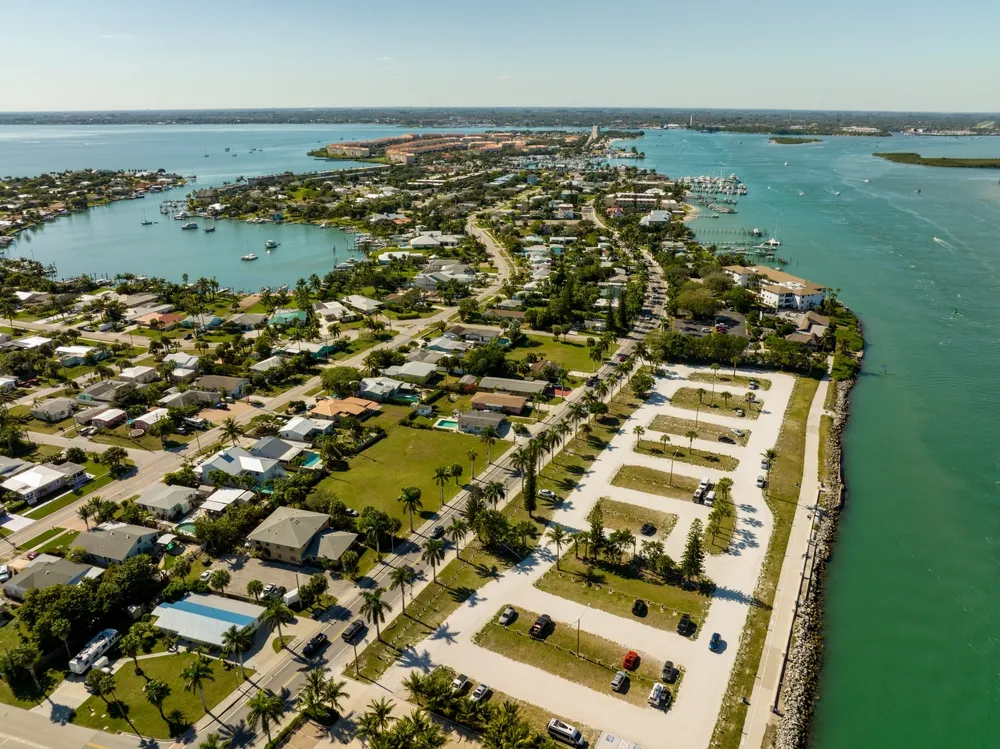
When a housing market softens, the instinct is to blame prices. Sellers priced too high. Buyers can’t afford current levels. Cut the price, move the home. But agents working the Fort Pierce and Port Saint Lucie corridor on Florida’s Treasure Coast argue the real bottleneck isn’t price; it’s employment. Without a deeper job base, the area’s growing inventory will keep expanding regardless of how aggressively sellers adjust their asking prices.
Maxine Francis, a Realtor and licensed Community Association Manager with Vreeland Real Estate LLC, sees this disconnect daily. She works listings across Fort Pierce, the Treasure Coast, and South Florida, and describes the current inventory situation bluntly: there is “way more inventory than buyers.” Pre-construction projects keep adding supply. Resale listings stack up. And the buyer pool hasn’t kept pace.
Price Cuts Won’t Fix This
The conventional fix – lower the price – only works if enough employed buyers exist to absorb inventory at any price point. Francis argues that the fundamental constraint is economic, not financial. “In order for people to afford homes, they have to have a vast job market,” she says. Fort Pierce and Port Saint Lucie have land, new construction, and prices well below South Florida’s coastal markets. What they lack is the employment density to convert those advantages into closed sales.
This dynamic affects buyers and sellers in different ways. If you’re a seller in Port Saint Lucie sitting on a listing that hasn’t moved in 90 days, a price reduction might generate a showing or two. But if the buyer pool itself is thin because the local economy doesn’t support enough well-paying jobs, you’re competing with every other seller for the same small group of qualified purchasers. The problem isn’t your kitchen counters – it’s the ratio of homes to employed buyers who can actually close.
Buyers Have Leverage
For buyers, the implication is more encouraging but comes with a caveat. You have leverage. Inventory is high, sellers are motivated, and you can negotiate. But buying into a market with a weak job base carries its own risk: if you need to sell in five years and the employment picture hasn’t improved, you may face the same glut your seller is facing today.
Francis points to infrastructure beyond employment as well. She notes that Fort Pierce needs to “increase the entertainment arena to bring in more buyers.” The logic is straightforward: remote workers who could theoretically live anywhere choose locations that offer lifestyle amenities. A market that competes on price alone, without restaurants, nightlife, parks, or cultural attractions, loses those buyers to places that offer both affordability and something to do on a Saturday night.
Perception Is Also a Problem
The city’s physical environment factors into the equation as well. Francis observes that “if you have the most beautiful home but the city itself is not very appealing,” buyers will go elsewhere. Fort Pierce has historically carried a reputation for underinvestment in public spaces and infrastructure. Francis notes she’s seen some recent investment in the city’s appearance but acknowledges that the perception has lingered and actively deters newcomers.
Pre-construction developers have tried to solve this problem at the community level, building mixed-use developments with pools, shops, and gathering spaces so residents don’t need to rely on the broader city for amenities. These developments offer a self-contained lifestyle that bypasses Fort Pierce’s infrastructure gaps. But they also create a two-tier market: polished new communities that sell, and existing neighborhoods that stagnate.
Recovery Will Take Years
The path forward, according to Francis, requires the city to attract employers and improve its physical environment simultaneously. More businesses bring workers. Workers need housing. Housing demand absorbs inventory. But that cycle takes years to build, and in the meantime, both buyers and sellers on the Treasure Coast are operating in a market where supply dramatically outpaces demand.
For sellers, the practical takeaway is that pricing correctly is necessary but may not be sufficient. A comparative market analysis still matters – overpriced homes sit longer – but even a well-priced home in an area with thin employment won’t move as quickly as the same home in a market with robust job growth. Patience, or willingness to consider alternative structures like lease options, may be required.
For buyers weighing Fort Pierce against pricier South Florida alternatives, the calculus should include not just today’s purchase price but the economic trajectory of the area. A home that’s $100,000 cheaper than a comparable property in West Palm Beach is only a bargain if it holds or grows in value, and value growth follows job growth, not the other way around. Until Fort Pierce builds the employment base and lifestyle infrastructure to sustain steady demand, its affordability will remain an incomplete selling point rather than a reliable path to appreciation.
About the Expert: Maxine Francis is a Realtor and Community Association Manager with Vreeland Real Estate LLC, serving South Florida with a concentration in the Fort Pierce and Treasure Coast area.
This article is intended for informational purposes only and does not constitute legal, financial, or investment advice. The views and opinions expressed herein reflect those of the individuals quoted and do not represent an endorsement of any company, product, or service mentioned. Readers should conduct their own due diligence and consult qualified professionals before making any investment decisions.
Similar Articles
Explore similar articles from Our Team of Experts.