

Commercial real estate’s electric vehicle revolution is forcing attorneys to write an entirely new legal playbook, according to one leading practitioner working at the intersection of ...

Why Katy, Texas, Doesn't See the Housing Swings Other Markets Do

Written by:
Date:
17 Jun 2026
Share via Facebook

Share via Linkedin

Share via X

Copy to clipboard

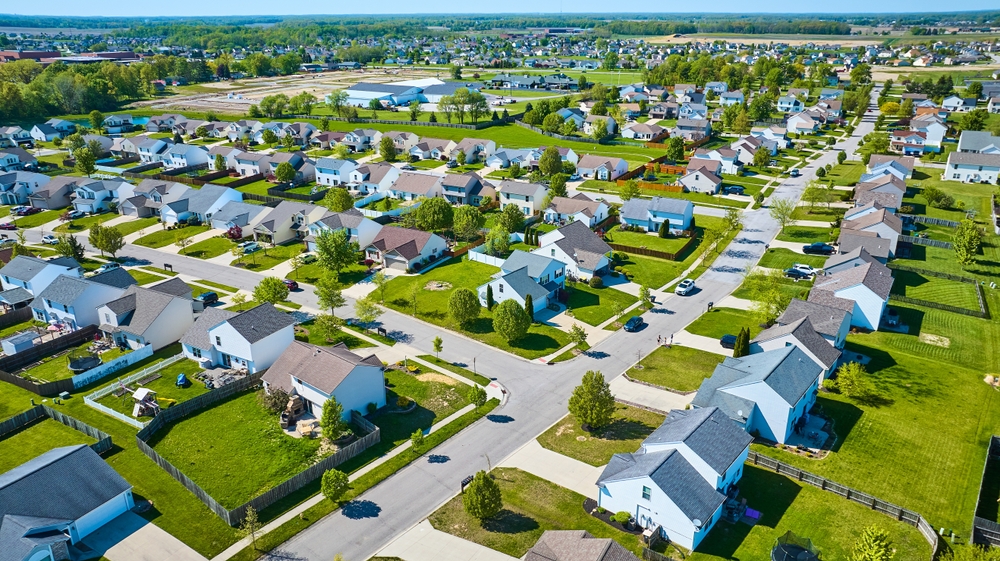
In a state where some housing markets have lurched from frenzy to slowdown and back again, the suburbs west of Houston have earned a reputation for staying relatively steady. But agents who work those markets every day say the stability is real, and also more fragile at the edges than the headline narrative suggests.
The case that observers in the field are making is this: Katy and its surrounding suburbs are meaningfully insulated from the sharp swings seen in other Texas metros, but that insulation has limits, and buyers who treat the area as a guaranteed safe harbor may be missing important nuance.
Employment Is the Foundation
Michael Flores, CEO and lead agent at Vantage Real Estate Group, a residential brokerage serving the Katy area and broader Houston suburbs, explains the stability through the lens of employment. The buyer pool in Katy draws heavily from oil and gas, engineering, and the Texas Medical Center, industries that generate consistent, professional-level incomes and tend not to evaporate overnight. That employment base acts as a floor under demand in a way that markets dependent on a single sector or on speculative activity cannot replicate.
“We don’t see the large swings that you would see in the inner city, or maybe in other cities,” Flores said. The area does not produce the dramatic appreciation spikes that generate headlines, but it also does not produce the steep corrections that follow them.
What Stability Means
For buyers, this dynamic has a practical implication that goes beyond comfort. A market that does not swing sharply upward is also a market where buying primarily for short-term appreciation is a weak strategy. Flores notes that parts of Katy have seen little meaningful price growth over the past two to three years, particularly in areas still surrounded by active new construction. Buyers who purchase expecting rapid equity gains may be disappointed.
What the market does offer is durability. Flores describes current conditions as balanced, with roughly four to five months of inventory across much of the area. That means buyers have real negotiating room, more than they did a year ago, without the market being in freefall. Interest rates remain in the high sixes, which is keeping some buyers on the sidelines and giving those who are ready to move more time to be selective.
The Submarket Divide
The balance, however, is not uniform. The Katy Cinco Southwest corridor is still seeing multiple offers in some situations and faster sales than the broader market. North Katy, where new construction is most active, is moving more slowly. Buyers who understand these internal differences can make more informed decisions about where their purchase fits within the market’s actual conditions, rather than relying on a single characterization of the area.
What’s Coming
These submarket distinctions matter even more when factoring in what’s coming next. Flores is watching several developments that could shift the balance over the next few years. The expansion of Fulshear and Richmond, communities just west and southwest of Katy, is accelerating, with new schools at every level being built to keep pace with population growth. As that infrastructure catches up to demand, those areas may draw buyers who previously defaulted to Katy, softening demand in some Katy submarkets. Road expansion projects tied to a new sports facility being built in nearby Cypress are expected to create traffic disruption in that corridor for years.
None of these is an immediate threat to the market’s stability, but they are the kinds of slow-moving changes that tend to matter more than short-term rate fluctuations for long-term value.
The Honest Picture
For buyers considering the Katy area, the honest picture is that the market rewards patience and punishes assumptions. The stability is genuine, but it is grounded in specific conditions: a diversified employment base, strong infrastructure, and a buyer pool with consistent incomes, rather than in any inherent immunity to market forces. Buyers who do their homework on which submarket they are entering, and what the construction pipeline around them looks like, are in a better position than those relying on the area’s reputation alone.
One concrete data point worth noting: in the Katy Cinco Southwest corridor specifically, homes are still selling faster than the broader Katy average, making it the one submarket where sellers currently hold more leverage.
About the Expert: Michael Flores is the CEO and lead agent at Vantage Real Estate Group, a residential brokerage serving the Katy area and broader Houston suburbs, where he specializes in helping buyers navigate the submarket distinctions that define one of Texas’s most stable housing corridors.
This article is intended for informational purposes only and does not constitute legal, financial, or investment advice. The views and opinions expressed herein reflect those of the individuals quoted and do not represent an endorsement of any company, product, or service mentioned. Readers should conduct their own due diligence and consult qualified professionals before making any investment decisions.
Similar Articles
Explore similar articles from Our Team of Experts.