
Rising interest rates and elevated property prices have disrupted the economics of cash-flow rental investing. Many small investors have left Oregon’s secondary markets or shifted from...

Why Holding Rental Property in New Jersey's Little Egg Harbor Still Beats Selling

Written by:
Date:
11 Jun 2026
Share via Facebook

Share via Linkedin

Share via X

Copy to clipboard

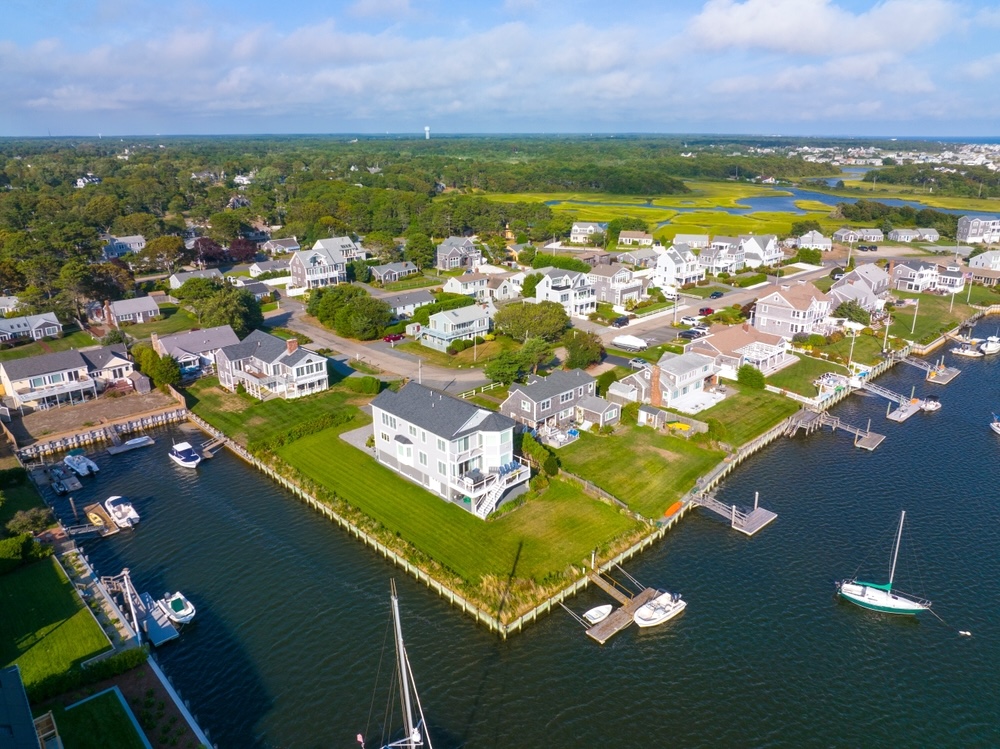
Most people who own a rental property in a market where prices have tripled face the same question: Is it time to sell? In Little Egg Harbor, New Jersey, where the average sale price has climbed from roughly $140,000 before the pandemic to around $450,000 today, that question is coming up constantly. What experienced local investors are finding is that the sell-now math is often worse than it looks – and the hold-and-rent math is often better.
With rents having doubled since before the pandemic while inventory remains near historic lows, owners who bought before 2020 are sitting on income streams that would be nearly impossible to rebuild if they sold. The combination of low basis, rising rents, and compressed supply is keeping most local investors in place.
Donna Wilson, a broker sales associate and property manager with The Forever Home Real Estate Group, a Keller Williams affiliate in Little Egg Harbor, has been managing rental properties in the area since the mid-1990s and began investing in her own portfolio in 2018. She uses her own townhouse as a working example of why investors in this market are largely choosing to hold.
Wilson purchased the townhouse in 2018 for $75,000. She estimates she could sell it today for around $225,000, against a remaining mortgage of roughly $40,000. The HOA runs about $145 a month. Her tenant pays $1,650 a month in rent – a figure she describes as below current market, since a comparable unit in the same complex recently listed for $2,600 a month. She has raised the rent by $100 per month each year rather than pushing to the market rate, which has kept the tenant in place for five years.
The numbers on the sell side look attractive on the surface. But Wilson points to what selling actually produces: a taxable gain, a displaced tenant, and the challenge of finding a replacement property in a market with roughly 95 active listings. Rents in the area have roughly doubled since before the pandemic, which means a landlord who sells and tries to re-enter the rental market as a buyer is competing for properties whose income potential is already priced in.
The previous owners of Wilson’s townhouse illustrate the long-term picture. They owned the property for years before selling it to her in 2018, collecting rent ranging from $800 to $950 per month during their ownership. Based on Wilson’s internal accounting from managing the property for them, they generated approximately $369,000 in rental income over the course of their ownership, then sold the property for $75,000 on top of that. That figure reflects the compounding effect of holding a modest property through a long period of rent growth.
Wilson points to a 22-year-old investor she works with who is already on his second investment property. Her point is not that youth is an advantage in itself – it is that time in the market, combined with the rent growth this area has demonstrated, produces outcomes that are hard to replicate through any other approach available to a small investor.
That said, Wilson is direct about the condition that makes rental investment viable: the property has to be affordable without a tenant. If a vacancy, a missed payment, or a major repair would put the owner underwater, the investment carries a risk that can materialize at any time. “Tenants always have problems,” she says, and a landlord who cannot absorb a month without rent is not positioned to hold through those moments.
This is where the current market creates genuine tension for would-be investors. Entry prices in Little Egg Harbor have risen sharply enough that the cash flow math is harder to make work than it was even five years ago. A property generating $1,650 a month in rent looks different when purchased for $75,000 than when the same unit costs $225,000. Investors entering today start from a much higher basis, which compresses monthly cash flow and extends the timeline before the investment pays for itself.
For current owners weighing a sale, the relevant question is not just what the property is worth today – it is what the rental income would cost to replace. In a market where rents have doubled, and inventory has not recovered to pre-pandemic levels, the income stream a landlord gives up by selling is not easy to rebuild. That is the calculation Wilson says is keeping most of her investor clients in place, even as paper values have made selling look tempting.
For investors who already own property in this market, the decision ahead is less about whether to sell and more about how to manage what they have. Rent growth may slow from here, but owners with low basis and paid-down mortgages are positioned to collect income that new buyers cannot replicate at today’s prices. The gap between legacy owners and new entrants is likely to widen further unless inventory recovers meaningfully – something that has not yet shown signs of happening in this part of the Jersey Shore.
About the Expert: Donna Wilson is a broker sales associate and property manager with The Forever Home Real Estate Group, a Keller Williams affiliate in Little Egg Harbor, New Jersey, where she has managed rental properties in the area since the mid-1990s.
This article is intended for informational purposes only and does not constitute legal, financial, or investment advice. The views and opinions expressed herein reflect those of the individuals quoted and do not represent an endorsement of any company, product, or service mentioned. Readers should conduct their own due diligence and consult qualified professionals before making any investment decisions.
Similar Articles
Explore similar articles from Our Team of Experts.