

Despite recent challenges, Portland’s fundamentals as a livable, affordable West Coast city remain strong and could drive its recovery, according to one industry leader who argues the ...

Miami Real Estate Prices Keep Climbing as Corporate Migration and International Demand Intensify

Written by:
Date:
10 Jun 2026
Share via Facebook

Share via Linkedin

Share via X

Copy to clipboard

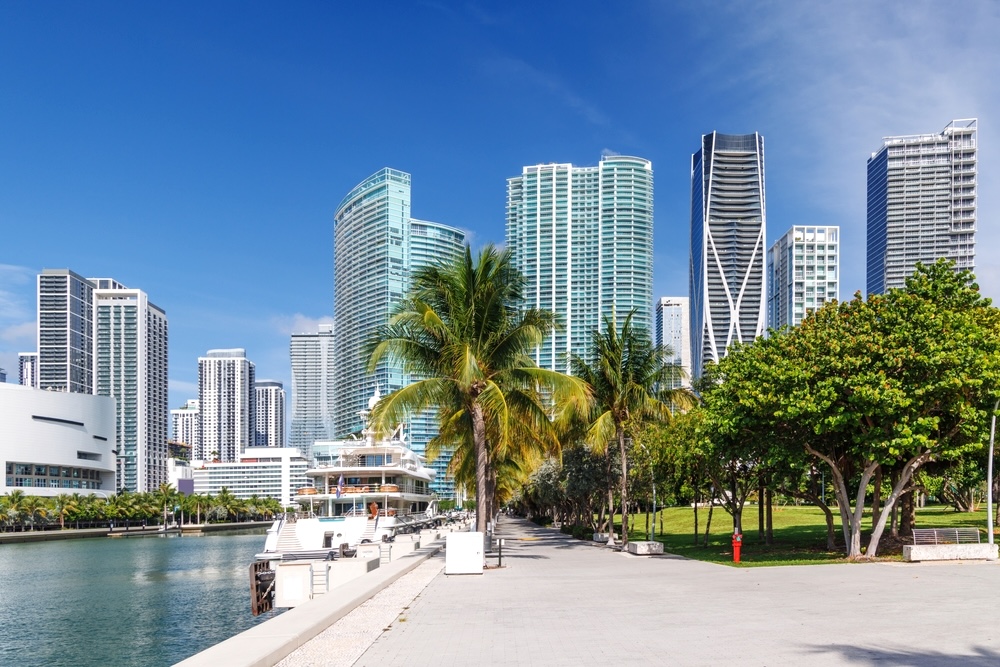
If you’ve been watching Miami real estate from the sidelines, waiting for prices to dip before making a move, consider this: many buyers who held back a year ago are now facing higher prices with no correction in sight.
The market conditions driving Miami’s price growth have strengthened, not weakened, over the past 12 months. Major corporations have moved into Brickell, Miami’s fast-growing financial district. International capital continues flowing in from Latin America, the Middle East, and parts of Asia. And buyers relocating from high-tax states like New York and California are making Miami their full-time home rather than a seasonal destination. Together, these forces have kept prices firm even as other U.S. markets have softened.
Steven Mikhli, a Global Real Estate Advisor at Nest Seekers International in Miami, has watched these dynamics accelerate in real time. “I don’t even think Miami is a third of the way to where it’s going to be 10 years from now,” he says.
Why Sellers Aren’t Budging
The steady inflow of high-earning workers and international buyers has given sellers little reason to negotiate. Companies like Citadel and Microsoft have established offices in Brickell, bringing employees who need permanent housing. That demand has shifted leverage toward sellers in most price brackets.
Mikhli notes that serious sellers aren’t offering meaningful discounts. If you’re expecting to negotiate a Miami seller down significantly, the current market isn’t likely to cooperate; inventory remains tight enough that well-priced properties attract qualified buyers without concessions.
What’s Moving at the Top
The strength of Miami’s market is most visible at the ultra-luxury level. Waterfront properties priced at $25 million, $30 million, and even $100 million in Coral Gables and Miami Beach are selling at a pace that would be unusual in most major U.S. cities.
Mikhli points to the contrast with New York, where a $100 million listing might sit for years and eventually close at less than half the asking price. In Miami, properties at that level are finding buyers relatively quickly, a signal of the depth and urgency of demand among ultra-high-net-worth purchasers.
New developments are also absorbing demand. Projects like 1428 Brickell and Nobu Residences are currently 40 to 50 percent sold, according to Mikhli, and he expects remaining units to move quickly as more corporate tenants arrive. “Within the next year, there’s going to be a fight over the last remaining units,” he says.
What Buyers Should Consider Now
Miami’s price growth is supported by structural factors, corporate migration, international demand, and no state income tax, factors that show no signs of reversing. Buyers waiting for a correction are betting against those fundamentals.
For those ready to purchase, new development projects with units still available may offer pricing that hasn’t fully caught up with surrounding demand. Neighborhoods like Little Havana and upper Buena Vista are seeing new commercial projects and development activity that hasn’t yet pushed residential prices to their ceiling.
Buyers should also understand that Miami sellers are well-informed. Properties priced correctly from the start tend to move; those priced aggressively above market often stall rather than attract negotiation.
What Sellers Should Know
Serious, well-capitalized buyers are active in Miami right now, but they’re informed and selective. Pricing a property significantly above market in hopes of negotiating down is less effective than it once was. A realistic listing price from day one is more likely to attract motivated, qualified offers quickly.
Mikhli also notes an unusual dynamic among his own clients: some sellers are pulling listings at the last minute because they realize they don’t have a better place to redeploy the capital. In a market where prices continue rising, even sellers sometimes conclude that holding is the better financial decision.
Looking Ahead
Miami’s market isn’t cooling; it’s still absorbing new demand from multiple directions simultaneously. Prices are well above pre-pandemic levels, but the drivers behind that growth, corporate relocation, international wealth, favorable tax policy, and infrastructure investment, remain active and, in some cases, accelerating.
Whether this pace of appreciation continues depends on factors like interest rates, global economic conditions, and how quickly new supply comes online. But for now, the market rewards decisiveness. Buyers who act while inventory still exists in new developments and emerging neighborhoods are positioned to benefit if the trajectory holds.
About the Expert: Steven Mikhli is a Global Real Estate Advisor at Nest Seekers International in Miami, where he works across residential and luxury segments of a market driven by corporate relocation, international capital, and sustained demand from high-tax state transplants.
This article is intended for informational purposes only and does not constitute legal, financial, or investment advice. The views and opinions expressed herein reflect those of the individuals quoted and do not represent an endorsement of any company, product, or service mentioned. Readers should conduct their own due diligence and consult qualified professionals before making any investment decisions.
Similar Articles
Explore similar articles from Our Team of Experts.