

Homebuyers in coastal real estate markets are increasingly at risk of misjudging what they can genuinely afford. According to Lorraine Weber, a Long Island realtor specializing in post-Hurri...

In South Florida's 55-Plus Communities, Condos Sit While Single-Family Homes Sell Fast

Written by:
Date:
01 Jun 2026
Share via Facebook

Share via Linkedin

Share via X

Copy to clipboard

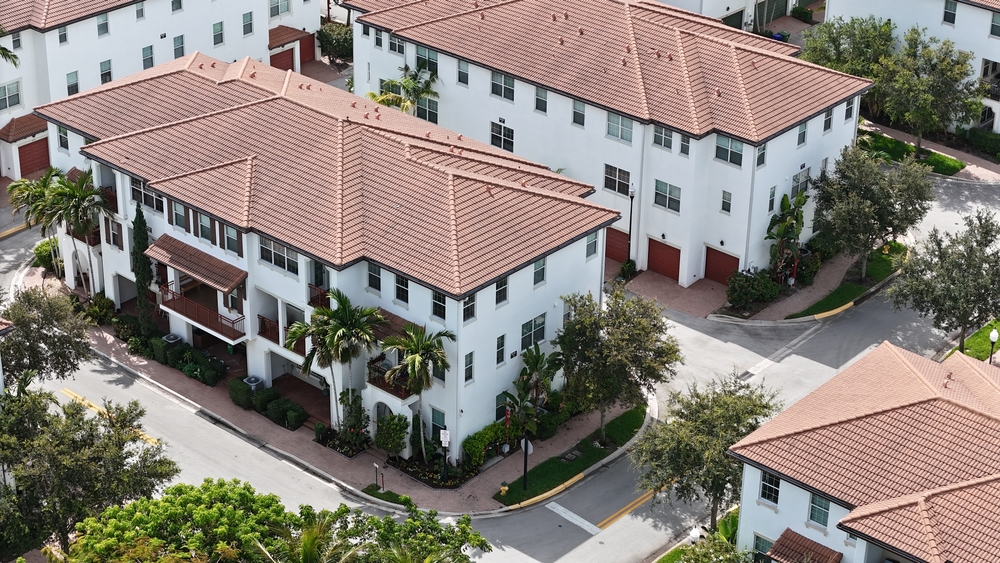
If you’ve been shopping for a home in one of South Florida’s active adult communities lately, you may have noticed something strange. Some listings disappear in days. Others sit for weeks with barely a showing. The difference doesn’t always track with price or size. The split comes down to building type and the financial obligations attached to it.
The Condo Slowdown Is Real
Paul Saperstein, Team Leader and Broker-Associate with The Saperstein Group at eXp Realty, has spent over a decade working almost exclusively with buyers and sellers in the 55-plus communities of Boca Raton, Delray Beach, and Boynton Beach. He closes over 200 deals a year in this niche, and right now, he’s watching a clear divide play out.
Condos in South Florida’s active adult communities are moving slowly, while single-family homes in the same communities remain in steady demand. “The condo market in South Florida is definitely slower,” Saperstein says. “The housing market is still pretty strong.”
That’s not what most people would expect. Condos are usually seen as the easier, lower-maintenance option, exactly what someone downsizing would want.
What Changed
In 2021, a residential building in Surfside, Florida, collapsed, killing 98 people. In response, Florida passed new regulations requiring older condo buildings, three stories or more, to complete structural inspections, fund their reserves to at least 10 percent, and complete milestone studies on aging structures.
The result: condo associations across South Florida now face significant special assessments and higher monthly fees. Buildings that were perfectly affordable a few years ago now carry financial obligations that deter buyers, especially buyers on fixed incomes.
A condo listed at $250,000 might come with a $500-per-month HOA fee and a looming special assessment for a new roof or structural repairs. For seniors evaluating their options, that changes the calculus entirely.
Single-family homes in 55-plus communities don’t carry that same regulatory burden. They’re moving faster.
What This Means for Buyers
If you’re shopping in a South Florida active adult community, Saperstein says the most important thing buyers miss is understanding why one community is priced differently from another, and what’s actually driving that gap.
“If you’re using an agent that doesn’t know the neighborhood, you don’t understand why this community will be $300,000 versus that community being $200,000,” he says.
Before making an offer on a condo, ask for the association’s financial documents. You want to know the current reserve balance, whether any special assessments are pending or recently passed, and what the monthly fees cover. A unit priced $30,000 below market might look like a deal until you see a $15,000 assessment coming due next year.
Amenities also carry more weight than they used to. Saperstein notes that today’s seniors are far more active than previous generations, and that communities with pools, fitness centers, and social programming command noticeably higher prices than those without.
What This Means for Condo Sellers
If you’re selling a condo in one of these communities right now, patience and realistic pricing are your best tools. Saperstein is candid with his clients: the condo buyer pool has shrunk, and the buyers who remain are negotiating harder.
“Any seller that gets an offer should strongly consider it if it’s close to what they need,” he says. “I cannot look them in the eye and say this might not be your best offer.”
That doesn’t mean giving the property away. It means pricing based on what’s actually closing today, not what the unit down the hall sold for in 2021. Getting the home in clean, move-in-ready condition still matters, perhaps more now than ever, because buyers have more choices and less urgency.
If you’re selling a single-family home in a 55-plus community, you’re in a better position. Demand is steadier, and well-prepared homes are still moving.
Location Matters More Than Most Buyers Realize
Beyond building type, geography within Palm Beach County plays a significant role in value. Boca Raton has become increasingly expensive to the point where many seniors are priced out. Delray Beach sits in the middle. Boynton Beach and communities further north offer more square footage and amenities for the dollar.
“What you would get in Boynton Beach would be a little better value than you would get in Delray Beach,” Saperstein explains. For seniors whose social life revolves around their community rather than the surrounding city, that trade-off often makes sense.
Looking Ahead
The gap between condo and single-family performance in South Florida’s 55-plus market is unlikely to close soon. Reserve funding requirements and structural inspections will continue to generate costs that get passed to condo owners, keeping monthly obligations elevated. Until associations complete their major repairs and stabilize their finances, buyer hesitation will likely persist.
For buyers, that means doing careful financial homework before committing to any condo unit, and recognizing that single-family homes in these communities may offer more predictable costs over time. For condo sellers, the window to wait for a better market may be longer than expected, making today’s serious offers worth taking seriously.
About the Expert: Paul Saperstein is the Team Leader and Broker-Associate of The Saperstein Group at eXp Realty, with over a decade of experience specializing in the 55-plus communities of Boca Raton, Delray Beach, and Boynton Beach.
This article is intended for informational purposes only and does not constitute legal, financial, or investment advice. The views and opinions expressed herein reflect those of the individuals quoted and do not represent an endorsement of any company, product, or service mentioned. Readers should conduct their own due diligence and consult qualified professionals before making any investment decisions.
Similar Articles
Explore similar articles from Our Team of Experts.