Albuquerque’s real estate market has fractured into two distinct realities. In some neighborhoods, homes in desirable school districts attract multiple offers and sell well above asking pr...

What to Know Before Building or Renovating a Luxury Home in Las Vegas

Written by:
Date:
26 May 2026
Share via Facebook

Share via Linkedin

Share via X

Copy to clipboard

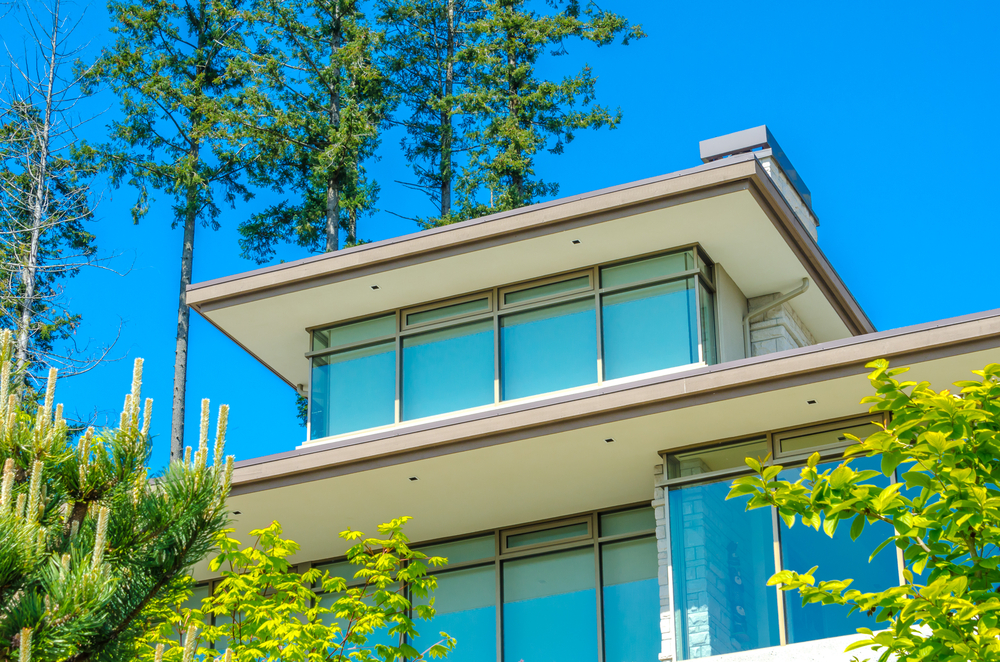
Most people who dream about building a custom luxury home imagine the finished product: the kitchen, the views, the finishes. What they don’t always picture is the 36 months it takes to get there – or why the process is nothing like buying a home that already exists.
In Las Vegas and similar high-end markets, rising construction costs, persistent labor shortages, and extended material lead times have made luxury builds more expensive and time-consuming than at any point in the past decade. For buyers considering a ground-up project or major renovation, understanding the realities of the current environment can save serious time, money, and frustration.
Scott Acton, founder and CEO of Forté Specialty Contractors, has been building luxury projects for over 15 years. His company works on projects starting at $15 million across California, Arizona, and Nevada. He’s seen what separates the builds that go smoothly from the ones that don’t.
A Longer Timeline
The single biggest misconception people bring into a luxury build is about time. Not months – years.
Acton says his projects typically run 24 to 48 months from start to finish. That’s not because anything is going wrong – that’s the reality of high-end custom construction. The design phase alone can take six months to a year. Then comes permitting, procurement of specialty materials with long lead times, and the actual build, which, on a complex project, involves dozens of subcontractors working in carefully sequenced order.
If you’re planning to build and thinking in terms of a 12-month timeline, reset that expectation now. Underestimating the schedule has direct budget consequences: carrying costs on a construction loan compound over time, design changes made mid-build cost far more than the same changes made on paper, and delays that push a project past a fiscal or personal deadline can force rushed decisions on finishes, materials, or labor that add cost and reduce quality.
Rising Costs Change the Math
Building anything – but especially luxury construction – costs significantly more than it did five years ago. Skilled trade labor remains in short supply, and wages for specialists like finish carpenters, tile setters, and low-voltage electricians have risen accordingly. Material costs – particularly for steel, lumber, and imported stone or fixtures with overseas supply chains – spiked during the pandemic and haven’t fully normalized. Financing costs added another layer: the rate environment that followed COVID made construction loans meaningfully more expensive than the fixed-rate mortgages buyers had grown used to comparing them against.
“Costs have risen significantly after COVID,” Acton says. “That’s definitely thinned the herd on who can afford to build and who can’t.”
This matters for buyers comparing the cost of building new versus buying an existing home. A ground-up build gives you complete control over layout, systems, and finishes, but you’re absorbing the full cost of site work, permitting, and construction from zero. Buying an existing luxury property and renovating it can be more efficient, since the structure and infrastructure are already there, but scope creep is common, and older homes often surface hidden costs once walls open: outdated electrical, inadequate HVAC for modern systems, or plumbing that doesn’t meet current code.
The calculation also shifts depending on how much customization you actually need. If the goal is a home that reflects specific aesthetic or functional requirements down to the last detail, building from scratch may be the only path. If the priority is a high-end result within a tighter timeline, a well-chosen existing property with targeted renovation can get you there faster and at lower total cost. The key is running real, current numbers – not estimates from a few years ago – before committing to either path.
When Design and Construction Are Siloed
The most common source of cost overruns on luxury builds isn’t bad materials or unreliable labor: it’s the gap between the design team and the construction team. When those are separate companies, each working from their own drawings and assumptions, conflicts get discovered in the field rather than on a screen. A plumbing run that clashes with a structural beam, an HVAC layout that doesn’t fit the ceiling cavity, an electrical panel located where the cabinetry was supposed to go. These are what happens when no one is responsible for making the whole thing fit together.
A design-build business, where the same company handles both design and construction, closes that gap. The practical result is fewer change orders, fewer delays, and a budget that behaves more like a plan than a guess.
When vetting contractors, ask not just whether they offer design-build services, but how they actually handle coordination: who watches out for clashes, how design changes get priced, and whether the design work is done in-house or subcontracted out. A company that labels itself design-build but outsources the architecture is really just a general contractor with a branding choice. The distinction matters.
The Cash Advantage
Financing a luxury build adds complexity that buyers don’t always anticipate. Construction loans work differently from purchase mortgages: draws are released in stages as work is completed, which means you’re managing cash flow against a build schedule that rarely runs perfectly on time.
Lenders have their own inspection and approval timelines that don’t always align with construction realities, and each draw cycle adds administrative overhead. If rates move during a multi-year build, your cost of capital can shift in ways that affect the overall budget.
Buyers paying cash avoid all of that. If you’re financing, build the added time and carrying cost into your projections from the start. Not as a footnote, but as a real line item.
Looking Ahead
The decision to build or renovate at the luxury level is less like a purchase and more like a multi-year operating commitment. The buyers who come out ahead are the ones who treat it that way from the start, with a budget that accounts for financing drag, change orders, and timeline slippage, not just the cost of the finished home. The ones who struggle are usually working from an optimistic version of the schedule and a cost estimate that’s a few years out of date.
The planning window matters. Construction costs and labor availability can shift over the course of a project, and the further along you are before those shifts hit, the less flexibility you have to respond. The further into a project you get, the fewer decisions remain yours to make, which is why the numbers matter most before anything breaks ground.
About the Expert: Scott Acton is the founder and CEO of Forté Specialty Contractors, a Las Vegas-based construction firm he founded in 2010. Forté’s work spans luxury real estate, hospitality, restaurants, nightlife, and entertainment.
This article is based on information provided by the expert source cited above. It is intended for general informational purposes only and does not constitute legal, financial, or real estate advice. Readers should conduct their own research and consult qualified professionals before making any real estate or financial decisions.
Similar Articles
Explore similar articles from Our Team of Experts.