Infrastructure efficiency and practical amenities are overtaking brand prestige as the main drivers of ultra-high-net-worth migration to South Florida, with Fort Lauderdale attracting buyers...

Hidden Home-Buying Costs Buyers Face in Central Florida

Written by:
Date:
27 May 2026
Share via Facebook

Share via Linkedin

Share via X

Copy to clipboard

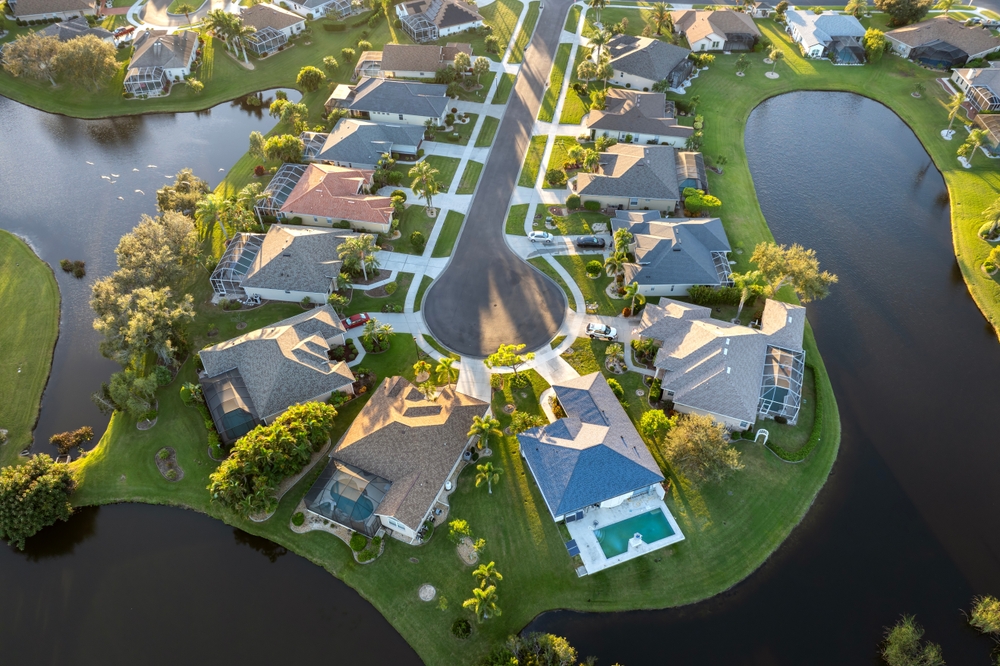
You’ve saved up. You’ve gotten pre-approved. You’ve found a home you love at a price that seems doable. Then the real number hits, and it’s higher than planned. For buyers shopping in Central Florida’s most active price range, knowing the full cost before falling in love with a listing can prevent a stressful surprise at closing.
Mortgage rates remain elevated, and inventory is tight at lower price points. For buyers in the $225,000 range, affordability depends less on the listing price and more on the costs layered on top of it. Jennifer Daniell, broker-owner of J&T Property Solutions Group LLC, works with buyers across Polk, Pasco, Orange, and Marion counties. She says the gap between what buyers expect to pay and what they actually pay comes down to a handful of costs that almost nobody budgets for upfront.
Cost Breakdown
On a $225,000 home purchase, the down payment is just the beginning. Closing costs typically run between 2% and 5% of the purchase price, which equals $4,500 to $11,250 on top of the down payment. Add ongoing costs to the monthly payment, and the total picture looks very different from the listing price.
Here’s how costs stack up beyond the sticker price on a $225,000 home in Central Florida:
- Closing costs — $4,500 to $11,250. This covers lender fees, title insurance, transfer taxes, and prepaid items like the first year of homeowners’ insurance and property tax escrow. Many buyers are asking sellers to cover up to 6% of this, and in the current market, sellers are often agreeing.
- Homeowners insurance — up to $6,000 per year on older homes. On a resale home built in the 1970s or earlier, insurance premiums in Central Florida can run $5,000 to $6,000 annually, even with recent updates like a new roof. Daniell notes that insurers are still pricing based on the structure’s age, regardless of improvements. That works out to $400 to $500 added to the monthly payment for insurance alone. (Rates vary by insurer and property.)
- CDD fees vary by community. In newer construction neighborhoods, a Community Development District (CDD) fee is often added to the property tax bill. This covers infrastructure like roads and utilities. CDD fees are easy to overlook when focused on the home price, but they can meaningfully raise monthly costs.
- HOA fees vary. Some communities charge monthly or annual HOA fees. For buyers already stretching to the $225,000 price point, these fees can push a payment from manageable to uncomfortable quickly.
Overlooked Buyer Costs
Insurance and community fees most often catch buyers off guard. Both are tied to the specific property, not just the price.
A home listed at $210,000 with a $6,000 annual insurance bill and a CDD fee can end up costing more per month than a $230,000 home without those extras. “You have to look at what the buyer is actually paying every month,” Daniell says, “not just the purchase price.”
Buyers also frequently overlook the rate buydown option. When sellers cover closing costs, some of that money can permanently or temporarily lower the mortgage interest rate, reducing the monthly payment. In a market where affordability is tight, that move can make a real difference.
Reducing Your Costs
Ask for seller concessions. In today’s market, sellers are more willing to contribute to closing costs than they’ve been in years. Up to 6% is allowed on many loan types.
Compare the full monthly payment, not just the price. Before deciding between two homes, add up the mortgage, insurance, taxes, HOA, and any CDD fees for each. The cheaper listing isn’t always the cheaper home.
Consider new construction, including manufactured homes. A newly manufactured home on owned land in Central Florida currently costs $900 to $1,500 per year in insurance, compared to $5,000 or more for an older resale. No HOA. No lot rent. For first-time buyers at this price point, those monthly savings can determine whether they qualify. (Financing options for manufactured homes differ from traditional mortgages; consult a lender.)
Look for communities without CDD fees. They exist, but they’re getting harder to find in traditional new construction. Ask your agent to filter for them specifically.
Budgeting the Right Way
When budgeting for a home purchase, the listing price is the starting point. “A lot of buyers need more help with closing costs than they expect,” Daniell says, “and the monthly payment is what really decides if the deal works.”
Add up every line item — insurance, taxes, fees, and financing costs — before deciding what you can afford. The home that fits your life is the one where the full monthly number still fits your budget.
About the Expert: Jennifer Daniell is a broker and owner of J&T Property Solutions Group LLC, operating across Central Florida from Ocala through Polk, Pasco, and Orange counties, with nine years of experience in real estate. Her brokerage specializes in manufactured homes on owned land and installs approximately 100 units per year, handling both home placement and the full real estate transaction.
This article is intended for informational purposes only and does not constitute legal, financial, or investment advice. The views and opinions expressed herein reflect those of the individuals quoted and do not represent an endorsement of any company, product, or service mentioned. Readers should conduct their own due diligence and consult qualified professionals before making any investment decisions.
Similar Articles
Explore similar articles from Our Team of Experts.