

Institutional investment firms are significantly reducing their minimum deal size requirements in South Florida’s industrial market, with thresholds dropping from over 100,000 square feet ...

After Hurricane Sandy, Cottages Became Mansions and the Jersey Shore Got Expensive

Written by:
Date:
05 May 2026
Share via Facebook

Share via Linkedin

Share via X

Copy to clipboard

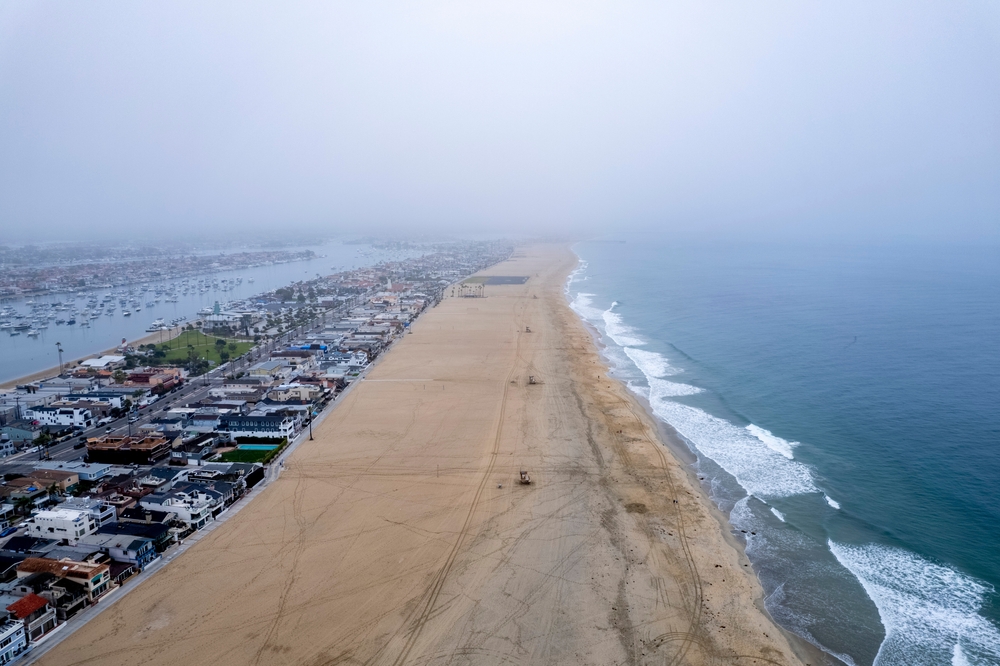
Hurricane Sandy’s rebuild cycle didn’t just repair a coastal market — it replaced it with a fundamentally different one, and the effects on pricing, inventory, and investment opportunity are still unfolding more than a decade later.
When Hurricane Sandy struck the New Jersey Shore in 2012, it left behind a landscape of damaged and destroyed homes across Long Beach Island. What followed wasn’t simply a repair cycle. According to Dayna Restaino, Broker and Owner of Restaino Realty, Sandy triggered a wholesale replacement of the housing stock — swapping modest, older homes for large, modern construction and permanently raising the market’s price floor, changing its buyer profile, and rewriting the investment logic that governs it today.
“Sandy definitely changed a market,” Restaino says. The change she describes isn’t subtle.
From Cape Cods to Six-Bedroom New Construction
Older homes, many of them modest 1,200-square-foot cape-style structures that had defined the island’s residential character for decades, were either damaged beyond practical repair or became too costly to restore relative to their land value. Property owners and investors recognized that rebuilding to modern flood-resilient standards, combined with the opportunity to build larger, made teardown and new construction the rational choice.
“What used to be 1,200-square-foot capes, now they’re building six-bedroom, beautiful three-thousand, four-thousand square foot homes,” Restaino says. The result is a housing stock that looks almost nothing like what existed before Sandy. Properties that were once affordable entry points into the Long Beach Island market have been replaced by luxury new construction that commands prices reflecting both the land value and the quality of the new build. The market didn’t just recover from Sandy; it upgraded, and that upgrade came with a permanent price increase.
Restaino, who relocated to the Jersey Shore in 2015 and began her real estate career in 2017, says the pace of this replacement was striking even to someone who arrived after the storm. “I moved down the shore in 2015, and driving through the area in Long Beach Island, it’s different,” she says. “I feel like I blinked my eyes and it’s a totally different area now.”
What the Rebuild Cycle Means
That rapid turnover of housing stock has created a specific pressure point in the current market. Vacant lots and teardown-eligible properties are now among the most sought-after assets on Long Beach Island because they represent one of the only remaining ways to add new inventory on a physically constrained barrier island.
Restaino notes that the island’s geography means the opportunity to build is structurally limited in ways that don’t apply to mainland markets. When a vacant lot or a damaged property becomes available, it draws immediate and intense attention from investors who understand the premium that new construction commands in this environment.
“When a vacant lot becomes a sale, or a home that may be considered a teardown, when that hits the market, it demands so much attention because there are so many investors looking for a piece of property so they can build a new construction home,” Restaino says.
This scarcity directly affects how investors deploy capital in the Long Beach Island market today. The post-Sandy rebuild showed that new construction commands a significant premium over older stock, and that buyers, particularly second-home buyers from the New York metro area, are willing to pay for modern, flood-resilient homes with contemporary finishes and larger footprints. Investors who can acquire teardown-eligible properties and execute new construction are tapping into the same logic that drove the post-Sandy rebuilding wave.
Long-Term Market Implications
Beyond pricing and inventory, the Sandy rebuild cycle also introduced lasting complexity into Long Beach Island transactions. Elevation requirements, flood insurance costs, and the distinction between pre- and post-Sandy construction standards are now embedded in the due diligence process for any property purchase on the island.
Restaino notes that these factors are among the most significant differences between Long Beach Island and other real estate markets, and among the most commonly misunderstood by buyers without prior coastal experience. “There are so many aspects that go into it when you’re buying a home in a flood zone,” she says.
For properties rebuilt after Sandy to current elevation and construction standards, these concerns are largely addressed. But older properties that were repaired rather than rebuilt may carry ongoing flood risk and insurance costs that weigh on their long-term value relative to newer construction. This creates a two-tier market in which post-Sandy new construction and pre-Sandy older stock are evaluated under different frameworks, a distinction that isn’t always visible in headline price data.
Restaino Realty’s Position in a Changing Market
Restaino says that understanding the post-Sandy landscape, which properties were rebuilt, which were repaired, and which remain vulnerable, is a core part of the expertise she and her husband Frank bring to clients at Restaino Realty. Operating as a boutique brokerage with no intermediary staff, the firm handles every transaction personally, which Restaino argues allows for the kind of detailed, property-specific guidance that buyers navigating a flood-zone market require.
“We handle everything with our clients from start to finish personally,” she says. In a market where the difference between a post-Sandy rebuild and an older repaired structure can carry significant implications for insurance costs, resale value, and long-term ownership experience, that depth of local knowledge may be a meaningful differentiator. Other coastal brokerages may develop similarly specialized expertise around post-disaster rebuild cycles, but for now, few have built their practices around this distinction as explicitly.
Restaino Realty is opening a second office directly on Long Beach Island in 2026, expanding from its existing Beach Haven West base. As the remaining stock of older, pre-Sandy homes gradually turns over, the firm’s presence in both the waterfront community market and the island itself positions it to serve the full spectrum of buyers navigating this remade landscape. With post-disaster rebuild cycles increasingly defining the character of coastal markets nationwide, the Long Beach Island experience may offer a preview of what other shore communities will face in the years ahead.
About the Expert: Dayna Restaino is the broker and owner of Restaino Realty, a boutique brokerage specializing in Long Beach Island and the surrounding Jersey Shore market.
This article is intended for informational purposes only and does not constitute legal, financial, or investment advice. The views and opinions expressed herein reflect those of the individuals quoted and do not represent an endorsement of any company, product, or service mentioned. Readers should conduct their own due diligence and consult qualified professionals before making any investment decisions.
Similar Articles
Explore similar articles from Our Team of Experts.