

Real estate developers and property owners need to dramatically extend their infrastructure planning horizons, according to one industry expert who argues that today’s technology decis...

How California's Balcony Inspection Law Is Creating a Split Between Condos and Single-Family Homes

Written by:
Date:
14 Mar 2026
Share via Facebook

Share via Linkedin

Share via X

Copy to clipboard

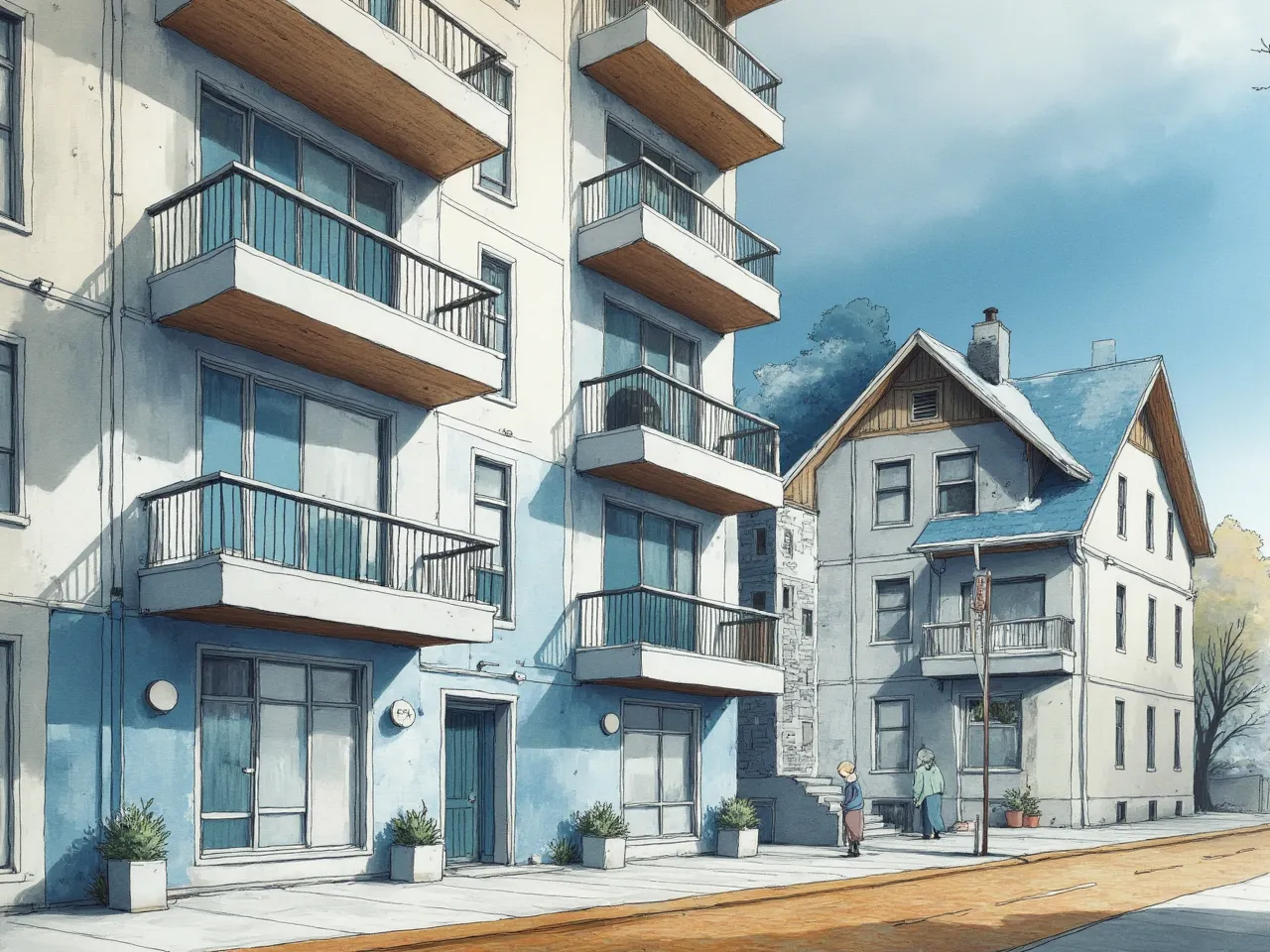
A California law requiring balcony inspections has created a split in the state’s housing market, making many condominium buildings difficult to finance and sell. At the same time, single-family homes continue to attract strong buyer demand. Kevin DaSilva, Team Leader at Kevin DaSilva Group at eXp Realty, says the law requires condo associations to complete structural inspections and repairs before lenders will approve most mortgages, stalling sales in affected buildings and pushing condo prices down across California.
“Because of this California state law around balcony inspections, it’s creating condo communities that are unlivable until the balcony repairs are completed,” DaSilva says.
The restrictions apply even to buildings that have passed initial inspections. Associations must still coordinate repairs, secure contractor bids, and complete the work before units become eligible for conventional financing. This process can sideline entire buildings from the market for months or years, locking out buyers who rely on traditional mortgages.
How the Balcony Inspection Law Is Pushing California Condo Prices Down
These financing barriers are depressing prices in buildings undergoing repairs, but the impact extends further. As buyers see discounts in affected buildings, they begin to expect similar price cuts in other condos, even those without inspection issues. This pattern is widening the price gap between condominiums and single-family homes, which are not subject to the same regulatory hurdles.
“By prices coming down, it’s creating downward pressure on other condo buildings. Condos aren’t doing so well right now. Single families are, and that gap is widening,” DaSilva says.
Historically, condos have served as entry-level homes for first-time buyers or as stepping stones toward single-family properties. The combination of falling prices and financing uncertainty is eroding that pathway. Buyers no longer trust that condos will appreciate at the same rate as single-family homes, making them less appealing as transitional properties.
“Buyers aren’t seeing condos as a transition to a single-family house because prices are falling,” DaSilva says. The result is a shrinking pool of accessible options for buyers with limited capital, especially in high-cost cities like Los Angeles. As condos lose ground, single-family homes are seeing sustained demand, concentrating wealth in a shrinking segment of the housing market.
How High Insurance Costs in California Fire Zones Are Cooling Home Sales
Another segment struggling to attract buyers is homes in high fire zones. Insurance costs have soared in these areas, driven by repeated wildfire events and insurers pulling back from the California market. DaSilva traces the trend to the 2019 Malibu fires and notes it worsened after the 2025 Palisades and Altadena fires.
“Homes in high fire zones, because of the extremely high insurance costs, we’re seeing a lot of cooling. This has been going on since the Malibu fire back in 2019,” DaSilva says.
The combination of barriers to condo financing and high insurance costs in fire zones is creating a two-speed market. Properties in these categories are losing value, while single-family homes in low-risk areas continue to appreciate. This divide is changing buyer preferences and forcing agents to rethink their strategies.
Which California Property Types Are Drawing the Most Buyer Demand
While condos and fire-zone homes struggle, some property types are drawing significant attention. DaSilva points to three categories: new apartment buildings with affordable housing components, fixer properties that can be renovated into high-end homes, and spec homes in luxury neighborhoods.
“The opportunities are getting a lot of attention lately: new apartments with affordable housing, flips, fixers that need to get turned into nice homes, and spec homes,” DaSilva says.
New apartments with affordable units benefit from California’s density bonus laws, which allow developers to build larger projects if they include affordable housing. This makes mixed-income developments more financially viable in expensive markets and appeals to buyers seeking long-term value or regulatory incentives. Fixer properties attract buyers and investors willing to undertake renovations to capture value. In strong markets, the price gap between distressed properties and finished homes can be substantial, making renovations a profitable strategy.
Spec homes, new luxury builds without a designated buyer, are also in high demand, especially in affluent neighborhoods where older homes dominate. Buyers want move-in-ready properties with modern layouts and finishes and are willing to pay a premium for them.
How Financing Availability Is Dividing California’s Buyer Pool by Property Type
The split between property types is reinforced by how easily each can be financed. Single-family homes, fixers, and spec homes are generally eligible for conventional mortgages, FHA loans, or renovation financing, giving buyers several funding options. By contrast, condos in buildings undergoing balcony repairs are often limited to cash buyers or those using portfolio loans, which carry higher interest rates and stricter terms.
DaSilva recently helped a client secure a jumbo loan with a 10 percent down payment, demonstrating that non-traditional financing is available to some buyers. These products are usually limited to single-family homes or condos in buildings without inspection issues, reinforcing demand for properties outside the affected condo market. “Bank statement loans and other non-traditional loans have fairly desirable interest rates right now,” DaSilva says.
As a result, the market is increasingly segmented by property type and location rather than price alone. Buyers who qualify for conventional loans are competing for single-family homes and approved condos, while cash buyers and investors are targeting distressed condos and fire-zone properties.
What California’s Balcony Law and Fire Insurance Costs Mean for the Housing Market Long Term
These trends point to a lasting shift in California’s housing market. The balcony inspection law is likely to remain in place, so condo associations will continue to face recurring inspection and repair requirements. Insurance costs in fire-prone areas are also expected to stay elevated as climate risks increase and insurers limit their exposure.
The outcome is a widening gap between property types. Single-family homes in low-risk areas are likely to capture a growing share of buyer demand and appreciation. At the same time, condos and fire-zone properties may face ongoing price stagnation or decline. This environment creates opportunities for cash buyers and investors willing to accept higher risks, but limits access for typical buyers.
DaSilva’s team is on track for a record year in 2026, having closed $13 million in sales in the first quarter with another $13 million in active buyer transactions. Their performance highlights the importance of understanding market segmentation and guiding clients toward property types and locations that align with current financing and regulatory realities.
California’s evolving housing regulations and climate risks are redrawing the map of what buyers can afford and where they want to invest. For now, the safest bet for most buyers remains the single-family home in a low-risk neighborhood, a trend that shows no sign of reversing soon.
Similar Articles
Explore similar articles from Our Team of Experts.