
A wave of return-to-office mandates from major tech companies is fueling intense buyer competition in San Francisco’s residential market, with some single-family homes attracting offers up...

How an Aging Homebuyer Pool Is Changing the Northwest New Jersey Housing Market

Written by:
Date:
15 Mar 2026
Share via Facebook

Share via Linkedin

Share via X

Copy to clipboard

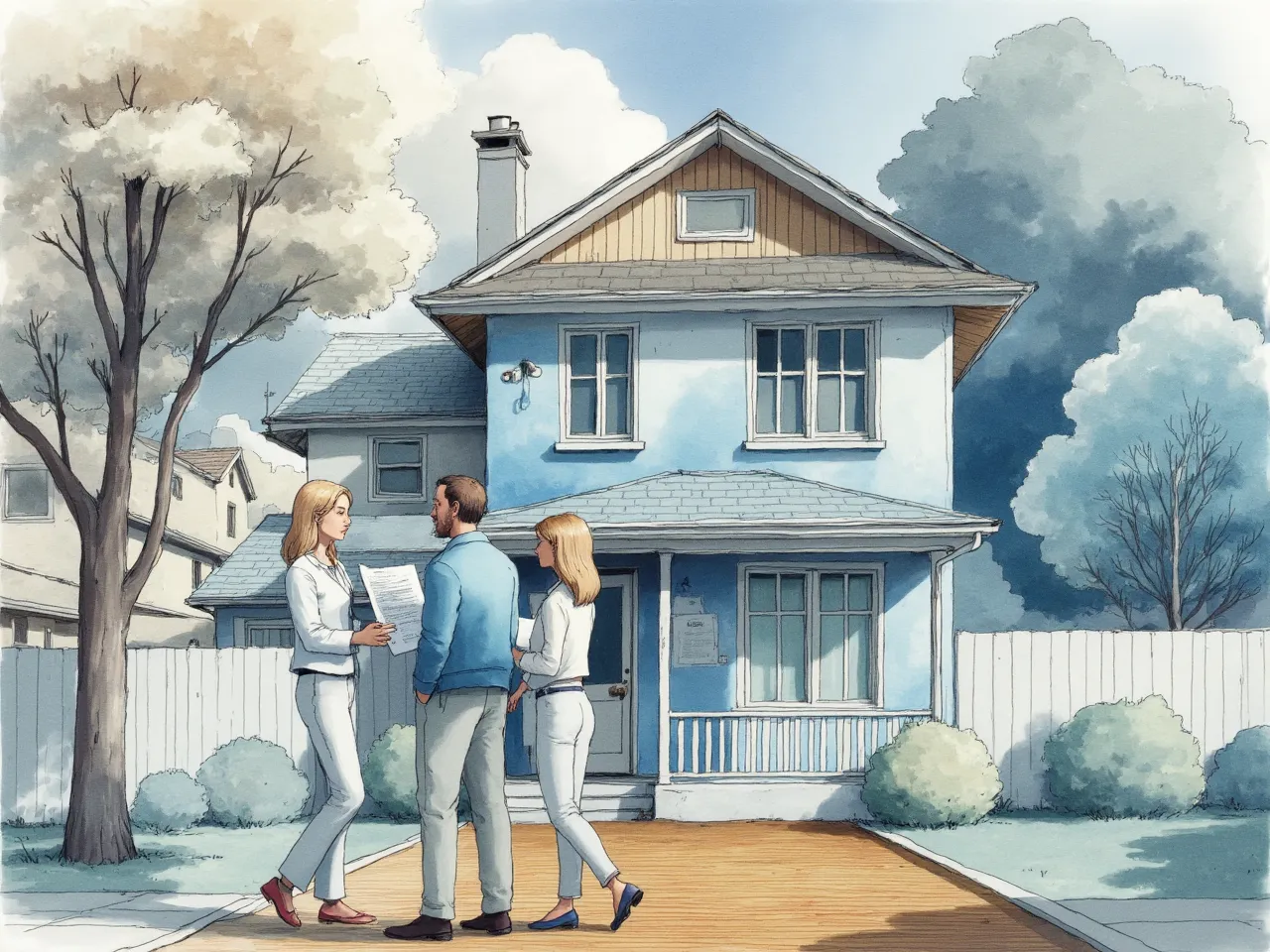
The typical homebuyer in Northwest New Jersey is now nearly 40 years old, a notable demographic shift over the past decade. Tara Lauterbach, Sales Associate at RE/MAX Heritage Properties, says this shift is altering how deals are made. Older buyers are arriving better prepared, more decisive, and less influenced by short-term interest rate changes.
“The average buyer age has increased in the last decade or two, and it’s now reported at closer to 40 years old,” Lauterbach says. Many have spent years renting in nearby towns like Morristown before deciding to purchase a home. With more savings and life experience, these buyers approach the market differently from younger cohorts.
This older buyer pool is affecting every stage of the transaction. Lauterbach notes that these buyers bring greater financial stability and make decisions with less emotional volatility. “They’re more mature, so it’s easier to deal with,” she says, pointing to a calmer, more rational approach to both negotiations and decision-making.
Older Buyers Stop Waiting and Start Purchasing
One of the most significant shifts in the market is the end of the wait-and-see approach that characterized much of 2023 and early 2024. Buyers are no longer postponing purchases in hopes of lower interest rates or better pricing. Lauterbach sees a new decisiveness among buyers. “They’re more ready, willing, and able to buy. They’re not just browsing — they’ve made a clear decision to buy a house.”
The normalization of interest rates has played a role in this change. After months of speculation that rates would drop to 4 percent, most buyers now accept that the current 6 to 7 percent range is typical by historical standards. “All that’s over — the average interest rate is six to seven percent over decades,” Lauterbach says. Buyers recognize that waiting for a dramatic rate drop is unrealistic and are moving ahead based on current conditions.
This acceptance has reduced the hesitation that slowed the market in prior years. Buyers are evaluating properties on current terms, factoring in today’s financing costs, and making prompt decisions rather than holding out for hypothetical future savings.
Financially Savvy Buyers Enforce Pricing Discipline in the Mid-Range Market
Older buyers bring not only more money to the table but also greater discipline in pricing. Lauterbach says these buyers are unwilling to overpay, particularly in the $600,000 to $900,000 price range. “They’re very savvy on the price,” she says. “They’re estimating how much it’s going to cost to renovate that kitchen or bathroom.”
Rather than buying on emotion or perceived potential, these buyers calculate renovation costs and factor those expenses into their offers. If a property needs updates, buyers expect the price to reflect that. Sellers who refuse to adjust for required improvements often see buyers walk away.
In the current market, buyers in the mid-range segment scrutinize every detail before making offers, including location, condition, school district, and proximity to amenities. Lauterbach notes that while no home is perfect unless it is new construction, buyers are willing to wait for one that meets most of their criteria. Once buyers decide, they act quickly and with confidence.
This disciplined approach has stabilized negotiations. Homes priced realistically attract buyers without extended negotiation. Overpriced listings, particularly those needing work, often linger on the market and eventually require price reductions.
First-Time Buyers and Young Families Drive Entry-Level Home Sales
Despite the rise in the average buyer age, the entry-level home market priced up to $600,000 remains driven by first-time buyers and young families. These buyers, often in their late 30s or early 40s with young children, are focused on building equity rather than renting.
“I’ve got families who have just had their first child or are outgrowing their current place,” Lauterbach says. “Young couples are getting engaged and want to stop paying rent and start building equity with a mortgage.”
When these buyers find a property that fits their needs, they move quickly. Lauterbach reports that turnkey homes in the entry-level range typically go under contract within two weeks, often receiving multiple offers. This pace reflects the scarcity of affordable inventory and the readiness of buyers who have spent years preparing for homeownership.
These buyers are practical during inspections. They understand that older homes require maintenance and are willing to negotiate repairs or credits rather than walk away over minor issues. Their focus remains on securing a home that fits their long-term needs.
What an Older Buyer Pool Means for Northwest New Jersey Sellers
For sellers, the rise of older, more financially savvy buyers means that pricing must be realistic. Lauterbach says managing seller expectations is now the biggest challenge, particularly among mid-range homeowners still anchored to pandemic-era price peaks.
“We saw sellers in the higher price ranges expecting more and then having to take $25,000 or $50,000 price drops because they overestimated what their home would fetch,” she says.
Sellers who work with agents offering honest, data-driven pricing advice are more likely to achieve successful sales. Sellers relying on automated valuation tools or informal advice often overprice their homes, resulting in extended market times and eventual price cuts.
The maturing buyer pool means fewer bidding wars and less emotional overbidding. While well-priced entry-level homes still attract multiple offers, mid-range properties are more likely to sell at or slightly below the asking price, especially if updates are needed.
Older, Decisive Buyers Point Northwest New Jersey Toward Market Stability
Lauterbach believes the Northwest New Jersey market is entering a period of greater stability as older, more decisive buyers shape purchasing trends. With greater financial resources and a focus on long-term value, these buyers are less swayed by market fluctuations and more likely to make measured decisions.
Lauterbach points to annual appreciation of 3 to 5 percent, varying by town, as evidence of steady, sustainable growth. This steady growth, combined with normalized interest rates and a disciplined buyer base, is making transactions more predictable and less volatile than during the pandemic period.
For agents, the main challenge is guiding sellers to accept today’s market realities, where buyers are older, better informed, and unwilling to pay above fair value. The Northwest New Jersey market appears poised for sustained stability, with older buyers driving more rational and deliberate transactions. Sellers who adapt to these conditions and price their homes appropriately will be best positioned for successful sales.
Similar Articles
Explore similar articles from Our Team of Experts.