
A veteran real estate professional in the Pacific Northwest is challenging sellers to confront an uncomfortable truth about their pricing strategies, arguing that many properties are merely ...

Multigenerational Housing Gains Ground as a Leading Trend in South Carolina Real Estate

Written by:
Date:
13 Mar 2026
Share via Facebook

Share via Linkedin

Share via X

Copy to clipboard

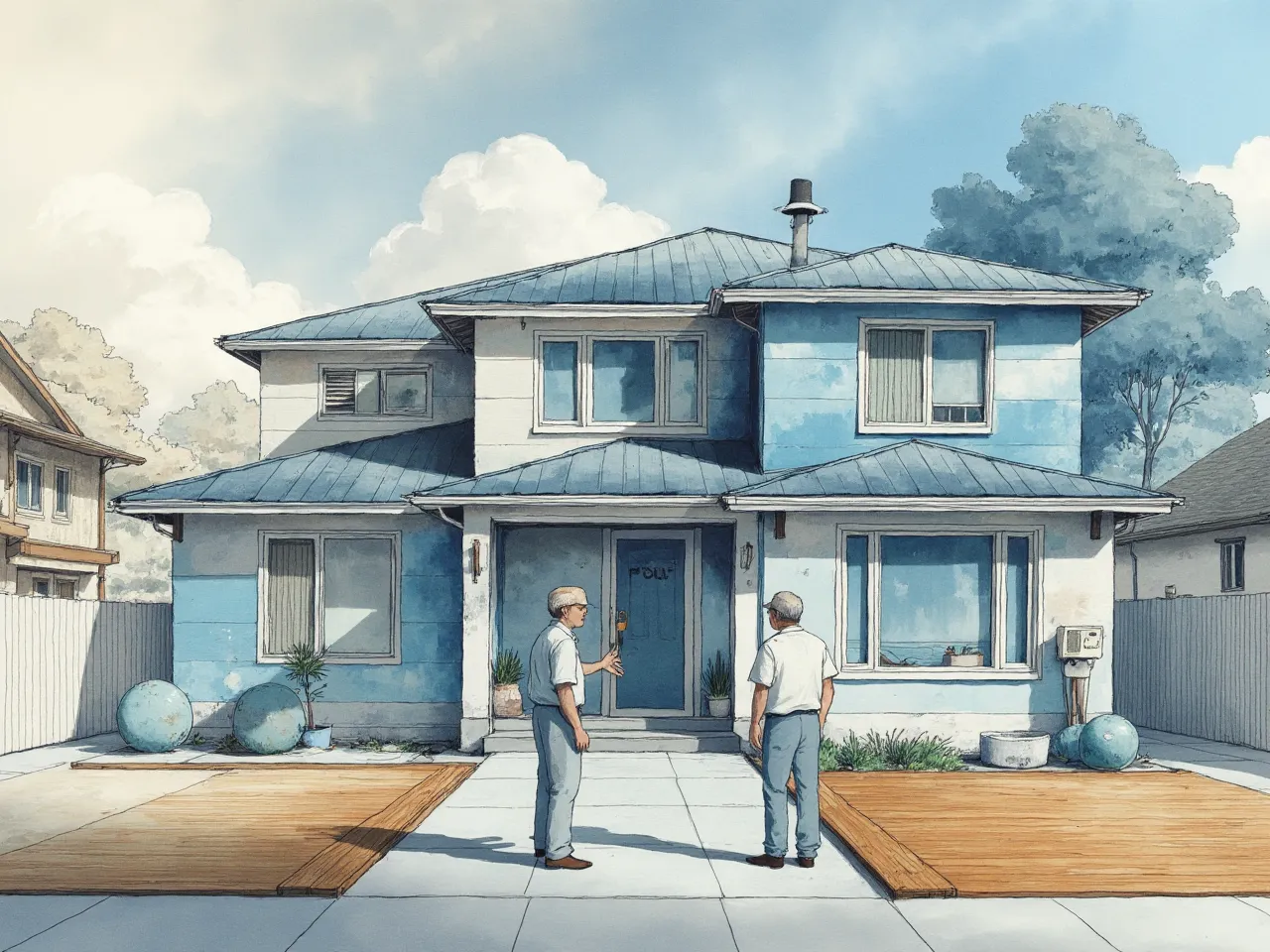
South Carolina’s residential market is seeing a clear shift: multigenerational living arrangements are becoming a significant factor in how families buy and design homes. Rising prices and changing family needs are driving more households to combine resources and share a home.
Wendell Arsi, CEO of Arsi Home Group at Keller Williams Columbia, says local builders are adapting quickly to this demand. Homes designed for multiple generations typically feature separate living areas, allowing grandparents and adult children to share a property while maintaining privacy. The main draw is financial: families can buy larger, higher-quality homes together than they could afford separately.
“Builders here are responding to multigenerational housing, one of the strongest trends in the nation right now,” Arsi says. He describes a typical scenario: grandparents contribute funds alongside their children, enabling the family to purchase a much larger house with distinct spaces for each generation.
The move toward multigenerational housing is a direct response to affordability pressures and changing family structures. Arsi says this is not a temporary solution but a new approach to homeownership that many families now see as practical and necessary.
How South Carolina Families Pool Resources to Buy More Home
Arsi explains that combining financial resources is the key advantage of multigenerational living. In South Carolina, home prices in the Columbia-Lexington area are nearing $300,000, with appreciation rates running between five and ten percent annually. This strategy allows families to access homes that would otherwise be out of reach.
Many older adults use proceeds from a previous home sale or retirement savings as their contribution, while younger family members provide income and qualify for a mortgage. Together, the household can purchase a larger property with shared amenities such as extra bedrooms, larger kitchens, or expanded outdoor spaces.
South Carolina’s low property taxes make these arrangements even more attractive. A million-dollar home in the state typically carries an annual tax bill of around $5,000, far below the $20,000 or more common in high-tax states. This cost advantage allows families to stretch their budgets further and invest in higher-quality homes without facing prohibitive carrying costs.
How South Carolina Builders Are Adapting to Multigenerational Demand
Builders are responding to the trend by offering floor plans and features that specifically support multigenerational living. These homes often include separate entrances, in-law suites with kitchenettes, extra parking, and sometimes soundproofing or dedicated HVAC systems for privacy and comfort.
This approach is no longer limited to custom builds. Production builders in South Carolina are rolling out multigenerational layouts in new subdivisions, making the option widely available. Arsi notes that this is a significant change from the decades-long focus on nuclear-family homes. The trend is especially strong in suburban areas like Lexington, where space, schools, and amenities are high priorities, though Arsi also sees growing interest in both urban and rural settings.
How Multigenerational Living Is Changing Family Roles and Housing Demand in South Carolina
Multigenerational housing is not just about finances. It reflects evolving attitudes toward caregiving and family support. In the past, older adults often moved into assisted living or stayed alone until health concerns forced a change. Now, families are opting to live together, providing care and companionship while preserving independence through separate living spaces.
From a market perspective, the rise of multigenerational households could reshape demand and influence how homes are designed. If the trend continues, builders and developers will need to prioritize flexible floor plans that accommodate a range of family configurations. Homes with multigenerational features may command higher prices, while traditional layouts may attract less interest.
Arsi points out that this trend also highlights the growing challenge for single- or dual-income households trying to buy homes as prices rise faster than wages. Pooling resources is one way families are countering these pressures and gaining access to better housing.
Whether Multigenerational Housing Will Remain a Lasting Trend in South Carolina
Whether multigenerational housing becomes the dominant model or remains a strong niche will depend on broader economic trends, including wage growth, home price appreciation, and mortgage availability. For now, the approach is gaining momentum as families look for practical solutions to rising costs and changing needs.
In South Carolina, where population growth and real estate demand remain strong, multigenerational housing offers families a way to secure larger, better-equipped homes without overextending themselves financially. The trend is changing how families think about homeownership and how builders design new properties.
As long as affordability remains a challenge and families balance quality of life with financial stability, multigenerational housing is likely to remain a defining feature of South Carolina’s residential market. For buyers and builders alike, the ability to adapt to these new realities will shape success in the years ahead.
Similar Articles
Explore similar articles from Our Team of Experts.