While much of the national conversation around real estate has focused on affordability crises in major metros, some smaller regional markets have quietly maintained a steady rhythm of their...

Scottsdale Luxury Buyers Prioritize Lifestyle Over Square Footage as Market Adapts to New Demands

Written by:
Date:
13 Mar 2026
Share via Facebook

Share via Linkedin

Share via X

Copy to clipboard

Scottsdale’s luxury real estate market is undergoing a clear change in what drives buyer decisions. Location and lifestyle now outweigh traditional measures like square footage or price per foot. This adjustment is visible in how both buyers and investors approach the market, with a growing emphasis on immediate enjoyment and proximity to amenities rather than just the physical attributes of a home.
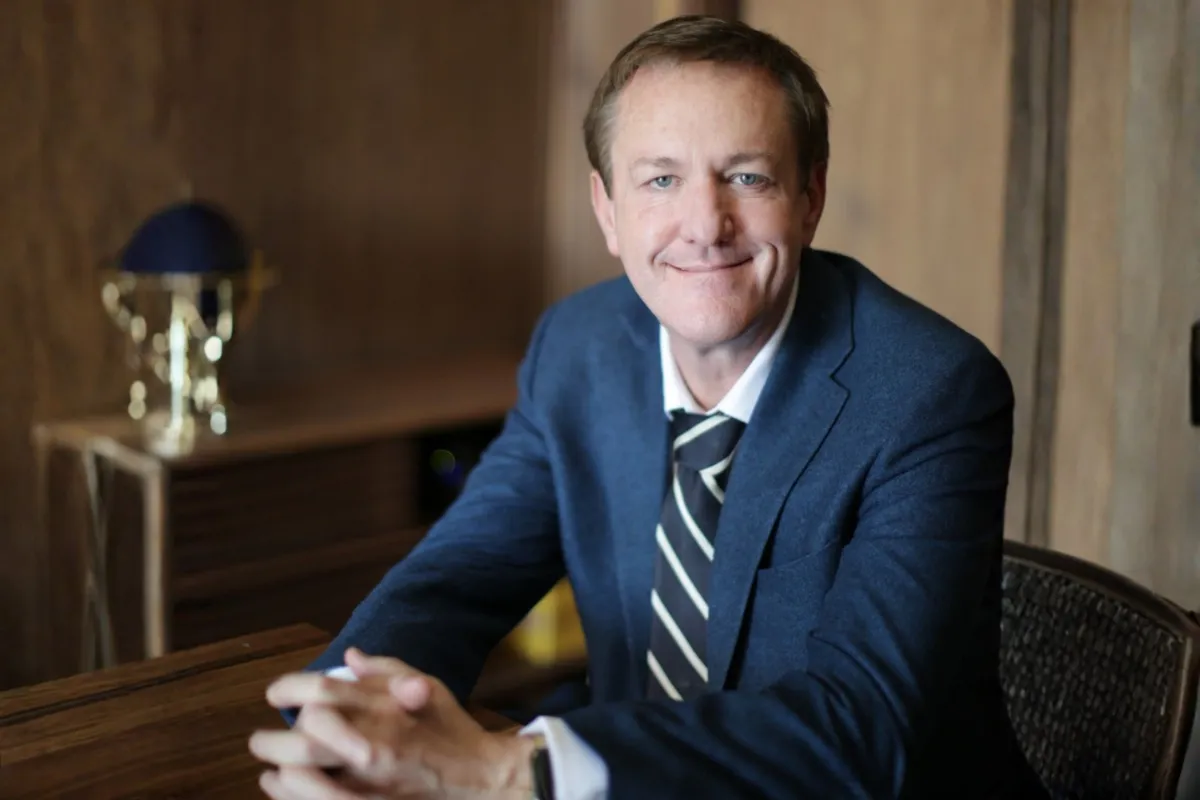
Kevin Weil, an associate with RE/MAX Excalibur and a Scottsdale real estate veteran with more than 20 years of experience, has built his practice around this new reality. Rather than focusing on conventional metrics, Weil centers his approach on “selling lifestyle” – a strategy that has become increasingly relevant as buyer expectations evolve.
“A lot of what I do is marketing lifestyle,” Weil says. For example, if a home is in a gated community, he highlights the sense of security. If it’s on a golf course or lake, he focuses on the experience – “sitting in your backyard looking over a golf course or a lake rather than a block wall.”
The Premium on Prime Location
Recent transactions in Scottsdale make it clear that buyers now place a premium on central locations. Homes near established areas like Old Town and Kierland consistently draw more interest and higher offers, while properties on the edges of the valley are seeing less activity. This trend is influencing not only homebuyers but also investors seeking stable returns.
“There’s more demand for properties that are closer in relative to the demand for properties that are on the periphery of the valley,” Weil explains. “People are choosing to have a better location more so than they had in the past.”
Weil’s own investments underscore this point. He owns condos in Old Town, reflecting his belief that proximity to Scottsdale’s core amenities and cultural centers guarantees stronger long-term value. For investors considering the market, the takeaway is straightforward: homes close to shopping, dining, and recreation command higher prices and face less risk of prolonged vacancies.
Evolving Buyer Sophistication
Today’s luxury buyers arrive with more information and sharper expectations than in the past. Weil observes that many use artificial intelligence tools to gather basic details about neighborhoods, schools, and pricing before contacting an agent. As a result, their discussions with agents are more focused on nuanced topics – such as renovation quality, long-term resale prospects, or a property’s unique features.
“They probably utilize AI to get some basic questions answered,” Weil says, pointing out that this shift has changed the nature of buyer-agent interactions.
This technological edge has also changed how buyers evaluate homes. Instead of considering properties with renovation potential, most are now seeking move-in-ready homes that require minimal work. They compare multiple updated properties, weighing finishes and layouts against their lifestyle preferences rather than looking for a bargain they can upgrade over time.
Market Resilience
Despite rising insurance premiums and property taxes in Arizona, Scottsdale’s luxury buyers remain active. Weil notes that while these costs are higher than in previous years, affluent buyers continue to absorb them. “Both insurance and property costs are just going up, but buyers are paying them. It is what it is,” he says. “They may not like it, but people want to live in Scottsdale.”
Ongoing demographic trends support this ability to absorb higher costs. Arizona consistently ranks among the top states for inbound migration of high-income households. “Of the fifty states, we are in the top four about families moving here with incomes over $200,000,” Weil points out. This steady influx of qualified buyers helps keep demand for luxury properties robust, even as broader economic pressures mount.
Interest rates, which have cooled many entry-level and mid-tier markets, have a more muted effect on the luxury segment. Weil explains that high-end buyers are more influenced by stock market performance and overall wealth trends than by mortgage rates. “In the luxury market, people feel confident in making purchases when the stock market’s doing well, and the stock market’s been doing well,” he says. This dynamic creates a degree of insulation from the rate-driven slowdowns seen elsewhere in the housing market.
What Sells
The strongest activity in Scottsdale’s luxury sector consistently centers on updated homes within the corridor between Old Town and Kierland. Buyers in this range expect high-quality finishes, modern layouts, and a turnkey condition. Properties that are either outdated or located farther from Scottsdale’s core amenities tend to linger on the market, regardless of how they are priced.
“It’s updated properties that are close to the area between Old Town and Kierland” that see the most activity, Weil reports. By contrast, homes that are “further out or not updated” sell more slowly.
This pattern reflects the broader lifestyle orientation of today’s luxury buyers. Instead of taking on renovation projects, most want a home they can enjoy immediately, with minimal disruption to their routines. Features like open kitchens, upgraded bathrooms, and outdoor living spaces are now seen as essential rather than optional.
The Role of Second-Home Buyers
Scottsdale’s luxury market is also bolstered by a steady flow of second-home buyers, many of whom come from out of state. These buyers typically have different priorities than those purchasing a primary residence. They often prioritize unique amenities, resort-style features, and views that set a property apart from what they have at home.
“A lot more people are buying second homes in Scottsdale, which is keeping prices from going down,” Weil notes.
Waterfront properties, in particular, have gained prominence among these buyers. In a desert environment like Arizona, lake views and lush landscaping are rare and highly valued. Weil expects that demand for homes with water features will increase as more buyers seek distinctive experiences. “Probably selling more lake view properties because in Arizona, there’s not a lot of greenery, so it feels nice to be on a lake,” he says.
Why the Market Remains Stable
Despite higher costs and a more selective buyer pool, Weil anticipates that Scottsdale’s luxury market will remain stable in the coming year. He predicts prices will hold steady, with perhaps a one- or two-percent change either way.
This outlook is grounded in the ongoing appeal of Scottsdale’s lifestyle – a mix of mild weather, recreational opportunities, and easy access to both urban and natural attractions. Unlike some luxury markets that have seen sharp corrections, Scottsdale continues to attract affluent buyers from across the country who are seeking a specific quality of life.
After decades in the industry, Weil’s central lesson is unchanged: “People will pay a premium for a lifestyle.” This insight shapes how agents market properties and how buyers evaluate their options. It also explains why traditional metrics like square footage or price per foot have become less central to luxury real estate decisions in Scottsdale.
Implications for Buyers, Sellers, and Agents
The shift toward lifestyle-driven decisions in Scottsdale’s luxury market carries clear implications for all participants. Buyers should expect to compete most fiercely for updated, centrally located homes that deliver immediate enjoyment and align with their vision of Scottsdale living. Sellers, meanwhile, need to recognize that cosmetic upgrades and thoughtful staging can have a direct impact on both market time and sale price – especially if their property is on the edge of a high-demand area.
For agents, success increasingly depends on understanding and articulating the full experience a property offers, not just its physical characteristics. As buyers become more sophisticated and specific in their searches, agents who can demonstrate how a home supports the Scottsdale lifestyle – from security and recreation to convenience and community – will be best positioned to close deals.
Looking ahead, the Scottsdale market offers a clear preview of how luxury real estate is evolving nationwide. As affluent buyers place greater weight on lifestyle and experiential value, markets that can deliver these qualities will continue to attract premium pricing and steady demand, even in the face of economic headwinds. The days when luxury was defined strictly by size or opulence are fading; today, it is about how well a home fits the way buyers want to live.
Similar Articles
Explore similar articles from Our Team of Experts.