In New York’s Capital Region, a growing number of home buyers are making a choice that would seem counterintuitive in most markets: voluntarily signing up for an eight- to ten-month wa...

Richmond Real Estate in 2026: Growth Ahead, but Buyer Expectations Are Shifting

Written by:
Date:
09 Apr 2026
Share via Facebook

Share via Linkedin

Share via X

Copy to clipboard

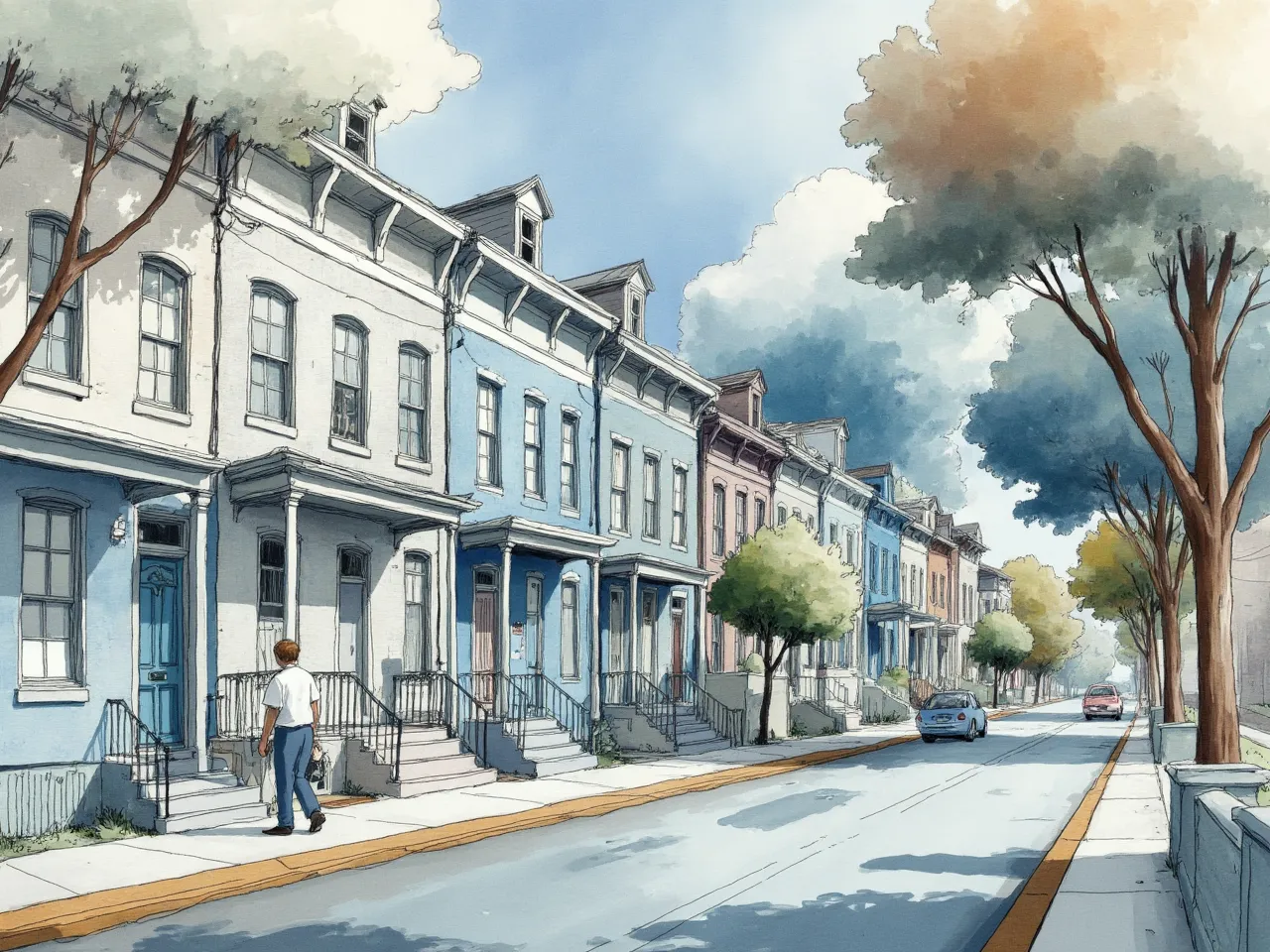
Just a few months ago, buyers looking at Richmond’s historic homes typically understood what came with owning a century-old property. They expected quirks like knob and tube wiring, lead paint, or asbestos insulation, and were prepared to tackle updates and repairs. But as 2026 approaches, a new wave of buyers is entering the market with different expectations – and that’s changing how deals get done.
Christopher Small, broker and team leader at Park27 in Richmond, has worked in real estate for 43 years. He sees a clear change in buyer attitudes. “Buyers today are completely different animals,” he says. “They want the aesthetics, but they don’t take in enough information to actually understand what they’re buying.”
A Strong Market, New Buyer Challenges
Richmond’s real estate market is positioned for continued growth in 2026. Zillow recently ranked the city among the top 10 markets in North America, citing its strategic location between Washington and New York, a diverse economy anchored by state government, universities, and corporate headquarters, and overall steady demand. Small says the pace of deals reflects this strength: “Our market is poised for pretty strong growth this year.”
But while the market fundamentals remain solid, the type of buyer moving into Richmond’s historic neighborhoods is changing. In past decades, buyers chose these areas because they valued the architecture and understood the maintenance involved. Now, many are drawn to neighborhoods like the Fan or Monument Avenue, but lack experience with older homes.
This disconnect is creating friction during transactions. In a recent deal, Small represented a seller whose buyer and agent weren’t familiar with historic properties. When the inspection revealed knob and tube wiring in the attic – a common feature for homes built over a century ago – the buyer’s side nearly walked away. Small says, “The agent was a very suburban, Far West End McMansion kind of guy, and his client didn’t understand what they were buying.” What should have been a routine discovery became a major sticking point.
What’s Behind the Change?
Two main factors are driving these complications. First, buyers are often represented by agents with little experience in older homes. “You get a suburban agent in, and they freak out,” Small says. “You get a suburban buyer in, and they freak out.” For these agents and clients, features like knob and tube wiring, lead paint, or asbestos – long considered normal in historic homes – are seen as dealbreakers.
Second, today’s buyers expect move-in-ready homes. Many want the charm and character of a historic property without the maintenance or renovation. Small explains, “They want the aesthetics, but they don’t want to accept that some things just come with the territory.”
As a result, transactions involving historic homes have become more complex. Even when a property is in excellent condition – with new roofs, updated bathrooms, and modernized systems – unfamiliarity can cause minor issues to be blown out of proportion. “They called their insurance agent, and it was all these little buzz words,” Small says of a recent transaction. “The deal could fall apart because they don’t understand what they’re buying.”
A Case Study: Monument Avenue
Small recently handled the sale of a renovated home on Monument Avenue owned by a hedge fund executive with multiple residences. The house had been gutted to the studs and rebuilt with high-end materials, featuring a new roof, modern bathrooms, and updated systems. The only major project left was the kitchen.
The seller initially wanted $2 million, believing the renovations justified even more. Small knew the market wouldn’t support that price. “He couldn’t understand why it wasn’t worth four or five million,” Small says. “Should be and what it is are completely different.”
After several months, Small found buyers who appreciated the home’s upgrades and were interested in completing the kitchen themselves. With clear explanations about the home’s value and remaining projects, the sale closed near the asking price. Small notes, “If I hadn’t been involved in it, it would have never happened.”
Advice for Buyers and Sellers
For Buyers of Historic Homes:
- Work with an agent who specializes in historic properties. Experience matters when evaluating what is typical versus what should be a concern.
- Don’t panic over features like knob and tube wiring or lead paint. Ask your inspector to explain the risks and costs.
- Set aside a budget for renovations and be honest about your willingness to take on projects.
For Sellers of Historic Homes:
- Price your home based on current market conditions, not on what you think it should fetch.
- Be transparent about quirks such as old wiring, original windows, or asbestos insulation, and provide documentation for any repairs or updates.
- The right buyer will recognize and appreciate the work you’ve done.
What’s Next for Richmond’s Historic Market?
Richmond’s real estate market is on solid footing for 2026, but the path to closing deals on historic homes is more complicated than before. Buyers are less prepared for the realities of homeownership in these neighborhoods, and inexperienced agents can make routine issues seem insurmountable. Small’s advice is simple: “Listen to people and pay attention to the details. Everything matters.”
For buyers, doing homework on what historic ownership entails is essential. For sellers, partnering with agents who can communicate value and navigate buyer concerns is now a critical part of the process. As Richmond’s popularity grows, education and experience will determine which deals succeed – and which ones fall apart.
About the Expert: Christopher Small is a broker, owner, and team leader at Park27 in Richmond, Virginia. With 43 years of experience, he specializes in historic properties and luxury listings in Richmond’s most sought-after neighborhoods.
This article is based on information provided by the expert source cited above. It is intended for general informational purposes only and does not constitute legal, financial, or real estate advice. Readers should conduct their own research and consult qualified professionals before making any real estate or financial decisions.
Similar Articles
Explore similar articles from Our Team of Experts.