Fairbanks, Alaska, has fewer than 150 homes listed for sale at any given time — for the entire market. The population is growing. New construction is not keeping pace. A significant share of demand comes from military relocations and out-of-state buyers.
Most arrive without a clear picture of what buying a home here actually involves: heating oil deliveries, permafrost inspections, utility bills that spike in winter, and a price-per-square-foot logic that defies comparison to anywhere else in the country. Nic Williams, founder of The Real Estate Collective, has spent the last several years helping those buyers close successfully in a market that has a talent for surprising the unprepared.
A Market Running on Empty
Fairbanks and the adjacent town of North Pole make up the entire market. Beyond that, it’s wilderness. “We might as well be in Hawaii because there are no houses out there,” Williams says.
That geographic reality, combined with the high cost of materials, labor, and insurance, has kept new construction nearly flat, with fewer than 10 homes built per year. With population growth projected at 10% in 2026, the gap between supply and demand is only widening. At any given moment, buyers are competing across just 100 to 150 active listings at all price points.
The scarcity has produced counterintuitive pricing. A home five or six years old sells for only marginally less than new construction. Most buyers, Williams notes, would rather save $10,000 to $15,000 and buy something a decade old than pay a premium for new. That’s not a preference — it’s the market teaching buyers how to think.
What “Affordable” Actually Means Here
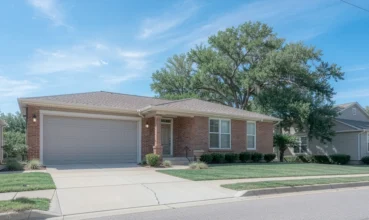
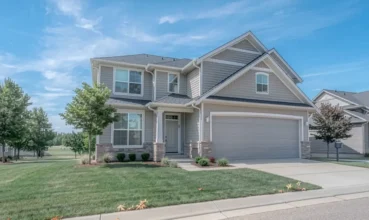
The most active price range in Fairbanks sits between $350,000 and $450,000 — typically a three-bedroom, two-bathroom home with a two-car garage. A well-maintained home in that range should sell in about two weeks. Whether that feels expensive or reasonable depends almost entirely on where a buyer is coming from.
But the sticker price is the wrong place to focus. The more important number is the monthly cost of living in the home, and in Fairbanks, that calculation includes line items most buyers from the lower 48 have never considered.
Most homes run on heating oil, not electricity. Buyers will need a fuel tank and regular deliveries throughout a winter that can drop to minus 50 degrees. Golden Valley Electric Association has raised power rates twice in the past year. A 30-minute commute is standard. These aren’t surprises to budget for after closing — they’re factors that should shape what a buyer decides they can afford before making an offer.
Where Most Deals Fall Apart
About 10% of Fairbanks transactions collapse during the home inspection phase. Alaska’s particular conditions — permafrost, septic systems, and rural infrastructure — make inspections more complex than in most states, and more consequential. Sellers who haven’t kept up with maintenance lose an average of $21,000 in equity when those issues surface.
For-sale-by-owner transactions fail at a far higher rate, with roughly 9 in 10 falling through. The nuances of the Fairbanks market — from inspection requirements to the documentation involved in military relocations — tend to overwhelm sellers who try to navigate the process without professional guidance.
Buyers also arrive with assumptions that don’t hold here. Local taxes, utility structures, commute patterns, and seasonal costs are unfamiliar to most relocators, and misunderstanding any one of them can turn an affordable-looking purchase into a financial strain.
Before You Sign Anything
The Fairbanks market is not going to loosen significantly in the near term. A proposed liquefied natural gas pipeline could bring $35 billion in investment to Alaska over the next five years and add an estimated 5,000 people to the region, without a meaningful increase in housing stock to absorb them. Migration from southern states is already climbing, drawn by Alaska’s relative affordability and way of life.
For anyone planning a move to Fairbanks — whether through a military relocation or a personal decision — the window to act thoughtfully is shorter than it looks. Inventory turns quickly, competition is real, and the cost of being underprepared shows up fast. Working with someone who knows the specific mechanics of this market isn’t a luxury. In Fairbanks, it’s the difference between a transaction that closes and one that doesn’t.
About the Expert: Nic Williams is the founder of The Real Estate Collective and Fairbanks’ leading individual sales agent, specializing in relocations to interior Alaska. A former Army officer, he brings firsthand understanding of military moves to a market where roughly 20% of residents are connected to one of the area’s two military bases.
This article is based on information provided by the expert source cited above. It is intended for general informational purposes only and does not constitute legal, financial, or real estate advice. Readers should conduct their own research and consult qualified professionals before making any real estate or financial decisions.