

“I like to say I’m two degrees of separation from every broker and buyer in Manhattan,” says Mike Fabbri, who was recently named The Agency‘s top-producing agent in N...

Hurricane Recovery and Market Rebalancing Shape St. Petersburg Real Estate Landscape

Written by:
Date:
25 Feb 2026
Share via Facebook

Share via Linkedin

Share via X

Copy to clipboard

The St. Petersburg real estate market is undergoing a significant recovery after the severe hurricanes of late 2024, while also moving away from the seller-driven frenzy that defined the past several years. Agents and teams now face a landscape that demands new strategies, greater client education, and a clear understanding of shifting market forces.
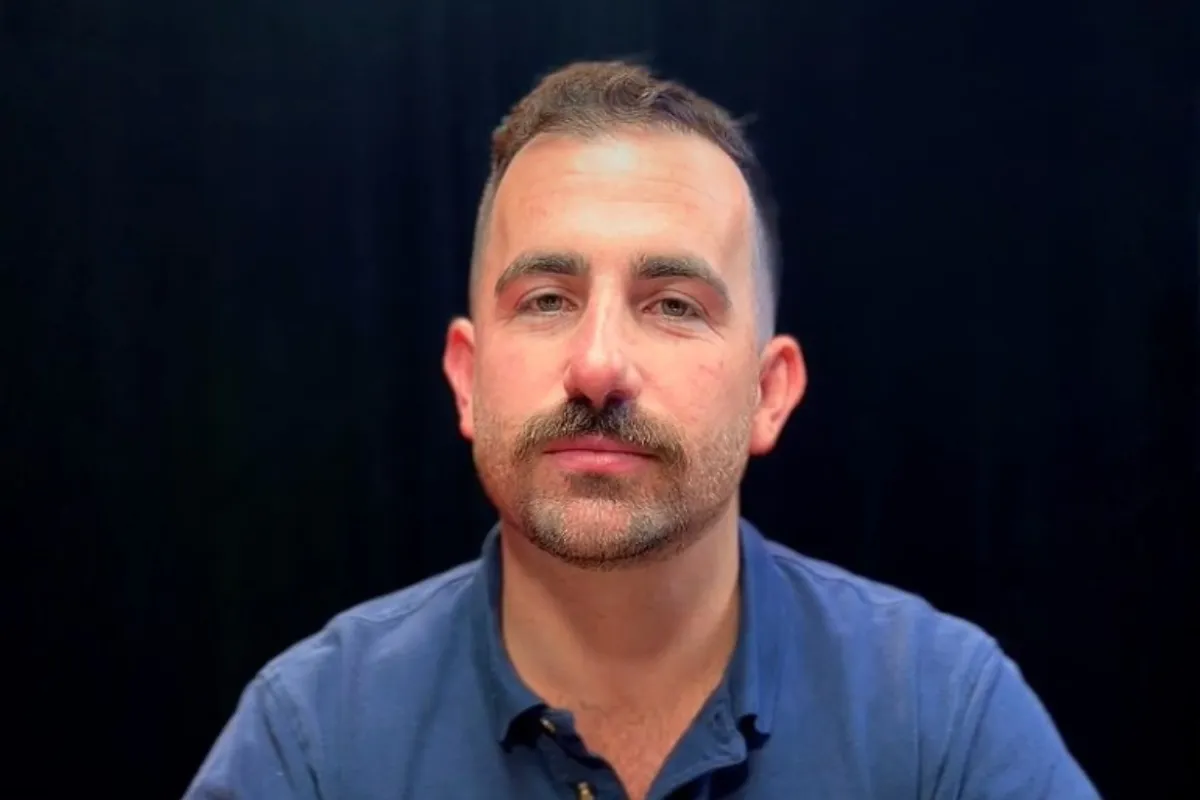
Jake Maisner, COO and Partner at the Jac Smith Group with Keller Williams, has seen these changes up close. His team, with over $400 million in sales across more than 700 transactions over seven years, offers a window into how buyers and sellers are responding to the new environment.
Hurricane Fallout Reshapes Market Dynamics
The hurricanes that struck Tampa Bay in September and October 2024 caused widespread flooding and property damage, an event that Maisner describes as unprecedented in his experience. The storms quickly increased the number of distressed properties for sale, leading to a surge in inventory.
“We had two major hurricanes flood properties, which we’ve never seen in all my years living in Florida,” Maisner says. The result was a sudden market imbalance, with more sellers than buyers for the first time in years.
This influx of homes pushed the market toward buyer-friendly conditions. Motivated sellers, particularly those with storm-damaged properties, have had to adjust expectations, while buyers now face more choices and better negotiating power. According to Maisner, “Now is actually the best time to buy in probably three or four years because inventory is higher and buyers can negotiate closing costs and price.”
Pricing Strategies Adjust to New Reality
The biggest adjustment has come in how sellers price their homes. During the pandemic boom, properties in St. Petersburg often sold for more than their asking price, with bidding wars common. Today, most homes close at 90–95% of list price, a reversal from the 101–105% figures seen just a few years ago.
Maisner emphasizes to sellers that overpricing leads to stagnation. “You can’t price it 5% or 10% higher than what the market’s telling us,” he says. “We actually have to price it a couple of percent below the market to stay ahead of the market.”
This disciplined approach has helped the Jac Smith Group maintain a faster sales pace than the broader market. While average listings now sit for about 75 days, competitively priced, well-maintained homes continue to attract strong interest and offers. Overpriced listings, by contrast, are seeing little to no activity.
Quality Inventory Still in Short Supply
Despite an overall increase in listings, there is still a shortage of move-in-ready homes in desirable neighborhoods, especially those that did not flood during the hurricanes. Maisner notes that, “If you have a house in a desirable neighborhood that didn’t flood and was in good condition, and it’s priced reasonably, it’s going to sell quickly and potentially still with multiple offers.”
This lack of affordable, quality inventory is most acute for first-time buyers. The average age of a first-time buyer in the area has now climbed to 40, reflecting both higher prices and limited options. Maisner sees this as the market’s biggest challenge: “There’s still a missing amount of affordable home ownership for single-family homes for buyers.”
Insurance costs, which spiked immediately after the hurricanes, have begun to stabilize but remain a concern for many buyers and sellers. Maisner reports that rates have come down somewhat from their post-storm highs, providing some relief but not a full return to pre-hurricane conditions.
Buyers Approach
With more inventory and less competition, buyers are no longer rushing into decisions. Instead, they are taking more time to compare options, often waiting for the right property rather than settling quickly.
Maisner describes working with clients relocating from Fort Lauderdale who found themselves overwhelmed by the sheer number of choices. As new listings appeared daily, making a decision became more difficult. “Buyers are a little more patient now because there are so many options,” he says.
This shift has required agents to be more strategic about which homes to show and how to guide clients through the process. Maisner stresses the importance of focusing on properties that genuinely fit the client’s needs to avoid wasting time and prolonging the search.
Team-Based Model
The Jac Smith Group’s team structure allows for a high level of service and communication throughout the buying or selling process. Their 15-agent team includes a marketing director, a Director of Operations, dedicated buyer’s agents, and partners with specialized expertise.
“We’re available seven days a week, 7 am to 7 pm,” Maisner says, noting that this responsiveness is one reason for their reputation in the market. Their approach has led to a transaction fall-through rate of just 7%, compared to a local average of 25%. Maisner credits this to careful client guidance and a focus on long-term satisfaction: “We’d rather the person buy the right house than the wrong house that’s going to cost them fees down the road.”
Expanding Reach
As the local market evolves, the Jac Smith Group is also expanding into South Florida, with new offices planned for Broward and Palm Beach counties. Maisner is leveraging Keller Williams’ national network to facilitate agent-to-agent referrals, which have become a significant source of business.
This referral network is particularly valuable for military relocations and for parents of University of Tampa students seeking investment properties. Maisner notes that out-of-state buyers, especially from California and the Northeast, see value in St. Petersburg’s waterfront neighborhoods, where prices are still far below those in major coastal cities.
Opportunities and Cautions
Investors are finding selective opportunities in the current market, especially in the condo segment. Prices for some condos have dropped significantly over the past three to five years, but Maisner warns that due diligence is essential. Higher HOA fees and the need to carefully review condo documents and reserve studies are critical factors for anyone considering these purchases.
Certain neighborhoods, such as Pasadena and Country Club, continue to outperform, attracting buyers from higher-cost regions. “You can get a beautiful waterfront house for $2 million or $1.5 million, whereas in New York City or California, to get a single-family on the water like that would be two to five times the price,” Maisner points out.
Interest Rates Remain a Key Variable
Agents and buyers alike are closely watching interest rates. Lower rates would increase affordability and likely bring more buyers into the market. Maisner is hopeful that rates, currently in the low six percent range, could drop to the mid-fives in the next six months, which would have a noticeable impact on demand.
What’s Next for St. Petersburg Real Estate
The ongoing recovery from hurricane damage will shape the road ahead for St. Petersburg’s real estate market, the gradual rebalancing of inventory, and the continued evolution of buyer expectations. Sellers who adapt to current pricing realities and agents who provide thorough, honest guidance will be best positioned to succeed.
For buyers, the market now offers more options and greater negotiating power than at any time in recent years. Still, patience and careful decision-making remain essential given the complexity of the landscape. Investors can find value, especially in condos and select neighborhoods, but must be prepared to navigate higher fees and conduct thorough due diligence.
Maisner sums up the current climate by emphasizing the importance of professional guidance and adaptability. “Real estate is definitely a tool where you can build equity and generational wealth,” he says, “but realizing that potential in today’s market requires expertise and a willingness to adjust to new realities.”
In the months ahead, success in St. Petersburg will depend on realistic expectations, strategic pricing, and comprehensive service, qualities that are becoming the standard for teams navigating Florida’s changing real estate landscape.
Similar Articles
Explore similar articles from Our Team of Experts.