
A beachfront condo in Fort Lauderdale may look perfect—ocean views, updated kitchen, and what seem like reasonable HOA fees. But just before closing, many buyers are discovering unexpected...

Foundation Damage and Deferred Maintenance Increase Investor Risk in Queens Real Estate

Written by:
Date:
25 Feb 2026
Share via Facebook

Share via Linkedin

Share via X

Copy to clipboard

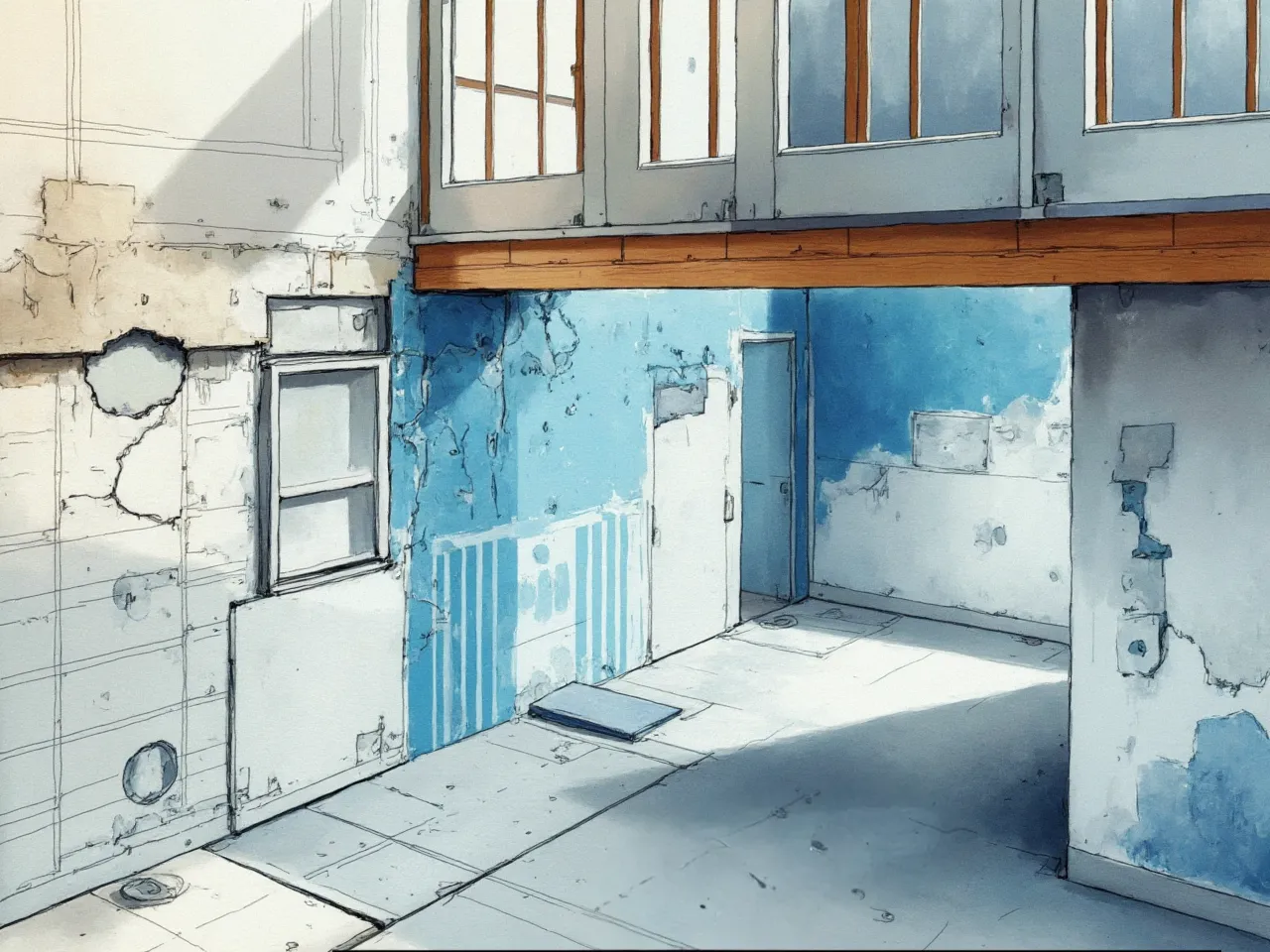
Investors acquiring residential and multifamily properties in Queens often proceed with purchases without conducting thorough structural inspections, according to Stella Shalamova, Sales Representative at EXIT Realty First Choice. The gap between marketing claims of “good deals” and issues uncovered during inspections, such as foundation damage, deferred maintenance, and hidden repair costs, can expose buyers to financial risk. Shalamova says that in competitive markets, buyers may feel pressure to act quickly. Skipping or limiting inspection due diligence can lead to unexpected expenses that reduce investment returns.
“Even if it’s a good price, you have to do an inspection,” Shalamova says. She explains that failing to inspect can lead to costly surprises and disappointment because many issues are not visible during a basic walk-through.
Foundation Problems Often Discovered After Closing
Shalamova says foundation damage is one of the most expensive problems that can go unnoticed when buyers rely only on surface-level assessments. Repairing foundation issues may require major construction, disrupt tenant occupancy, and reduce property cash flow. Many investors, focused on closing quickly, underestimate or overlook these risks.
The financial consequences of undetected foundation problems extend beyond immediate repairs. Properties with structural damage may be difficult to refinance or sell, and tenants may move out or withhold rent if significant habitability issues arise. Investors who base acquisition decisions on optimistic cash flow projections may face losses if those projections do not materialize.
Shalamova stresses that inspections should be completed before entering into a contract. After signing a contract, buyers may have less leverage to negotiate price reductions or exit the transaction if major issues are discovered. Sellers are often less willing to renegotiate after a contract is signed, and buyers who have already invested time and money into due diligence may feel compelled to close despite clear warning signs.
Marketing Claims Compared With Inspection Findings
Differences between marketing descriptions and inspection findings can arise in the Queens market. Properties are often marketed as turnkey or only lightly distressed, with cosmetic upgrades or recent renovations. Inspections may reveal underlying structural or mechanical deficiencies that require additional capital investment.
Shalamova urges buyers to treat inspections as an essential part of the investment process, not just a formality or a negotiation tool. The cost of a professional inspection is minor compared to the financial exposure of buying a property with undisclosed structural defects.
“You’re getting a good deal, but an inspection can save you a lot of money and disappointment,” she says.
Investors who prioritize speed and do not seek independent verification may increase their level of risk. In a fast-moving market, the temptation to waive contingencies or rush due diligence can lead to decisions that favor closing quickly over protecting investment capital.
Underwriting and Risk Management Considerations
For investors, this environment requires a more cautious approach to underwriting. Models must account for the possibility of hidden structural issues, even in properties that appear well-maintained or are advertised as value-add opportunities. Factoring inspection costs into acquisition budgets and allowing adequate time for thorough due diligence can help prevent expensive surprises after closing.
Shalamova also recommends negotiating inspection contingencies that allow sufficient time to assess the property fully and, if serious issues are found, renegotiate or exit the deal. Properties needing foundation repairs or significant deferred maintenance may still be viable investments, but only if these costs are reflected in the purchase price and projected returns.
As competition for Queens properties intensifies and investors seek income-producing assets, the urge to cut corners on inspections may increase. However, the financial consequences of overlooking structural issues, including costly repairs, tenant losses, and financing difficulties, underscore the importance of rigorous inspection protocols as a risk management tool.
Why Inspections Remain Critical in Queens
In today’s Queens real estate market, the pressure to move quickly is real, but so are the risks of skipping due diligence. Investors who build thorough inspections into every acquisition, before signing contracts, are far better positioned to avoid costly setbacks and protect long-term returns. In a market where surface appearances often mask deeper problems, insisting on independent verification is not just prudent; it is essential to investment success.
Similar Articles
Explore similar articles from Our Team of Experts.