The retail landscape is undergoing a dramatic transformation as developers find innovative ways to repurpose vacant retail spaces, according to one commercial real estate expert who’s witnessing the trend firsthand across multiple markets.
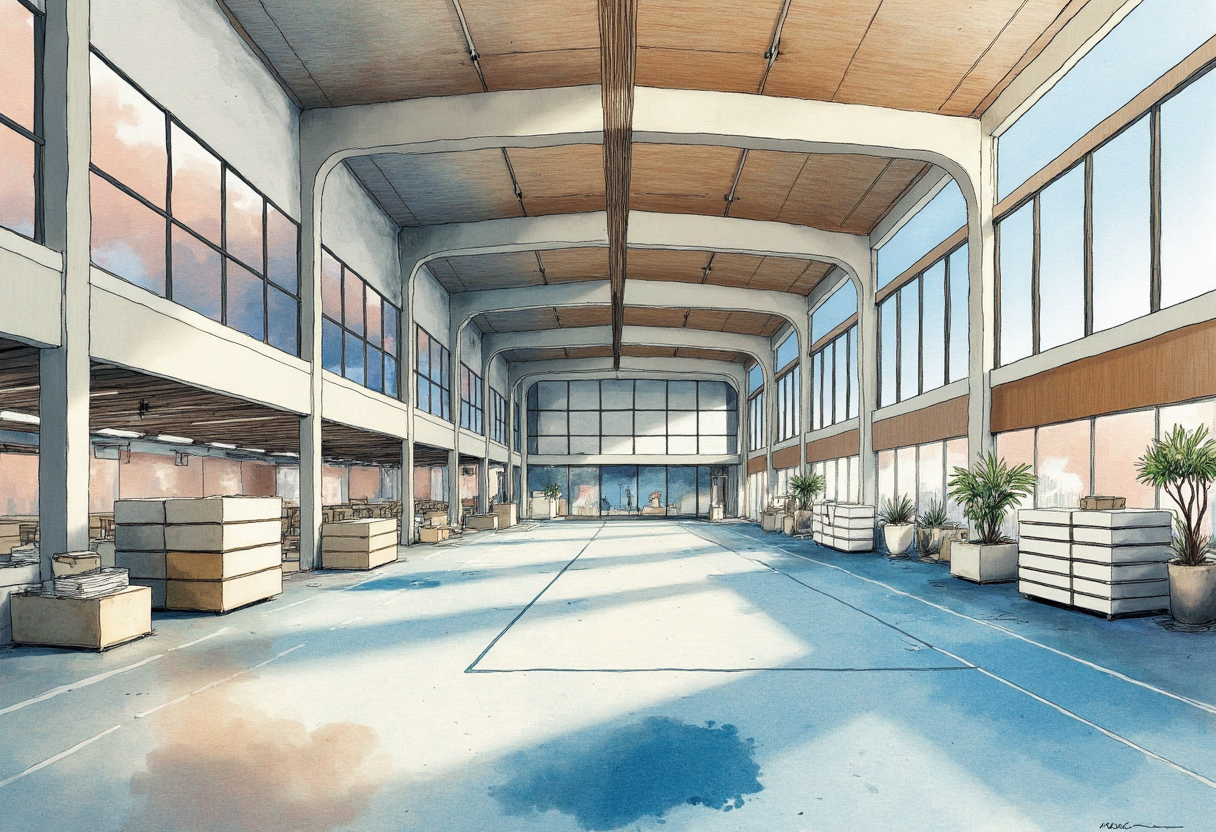
“A lot of developers are kind of repurposing the spaces,” says Jaidyn Smith, Senior Advisor at Legacy Real Estate Advisors. “One of the developers I work with just took a big box and turned it into a pickleball arena. They’re getting creative with a lot of these vacancies.”
Market Forces Driving Change
Smith, who specializes in retail properties including grocery-anchored shopping centers, notes that the retail sector has experienced significant disruption. “It’s definitely not the same as it once was. There’s a lot of vacancies, a lot of tenants that are turning over,” she observes.
This shift has been particularly evident in traditional retail hubs. “A lot of the major retailers, and in the main retail corridors, like JC Penney at the mall, they all left,” Smith explains, describing the situation in markets like Jacksonville before recent redevelopment efforts.
Regional Variations
The pace and nature of retail transformation varies significantly by market, according to Smith. “It really just depends where you go,” she notes. “Part of the inner city, Cincinnati, Columbus, you know, there’s definitely a lot more going on.”
This geographic variation extends to the types of new uses finding homes in former retail spaces. “It depends where you go and what the niche is, what the need is,” Smith explains, noting how market demographics and local demand drive redevelopment decisions.
Creative Solutions
Rather than letting spaces sit vacant, property owners are increasingly open to unconventional conversions. Smith points to the pickleball arena conversion as an example of how developers are “repurposing them to the max capacity that they can, the best way they can.”
This willingness to consider non-traditional uses represents a significant shift in commercial property strategy. Rather than waiting for traditional retail tenants, owners are proactively seeking alternative uses that can generate foot traffic and revenue.
The Path Forward
While the retail landscape continues to evolve, Smith sees the creative repurposing trend as a sustainable solution for otherwise challenging properties. The success of these conversions suggests a broader rethinking of how retail space can serve community needs beyond traditional shopping.