Just a few years ago, buying rental property in central New Jersey was straightforward. Rents and home prices were climbing, and investors could secure positive cash flow with a standard dow...

Why High Performance Construction Struggles to Scale in Residential Development

Written by:
Date:
16 Feb 2026
Share via Facebook

Share via Linkedin

Share via X

Copy to clipboard

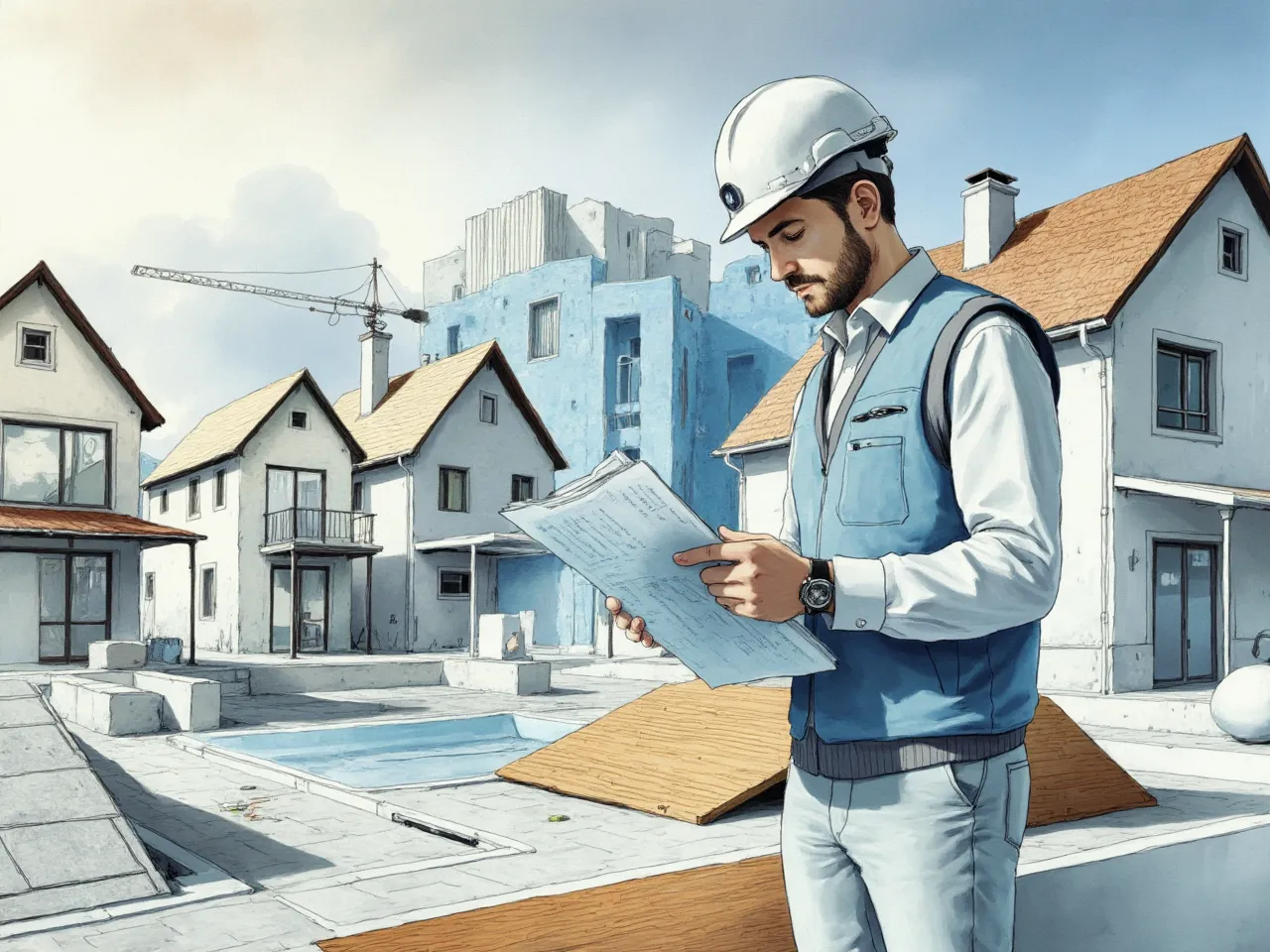
The residential development industry faces a fundamental mismatch between how it finances projects and how high-performance construction creates value, according to Cary DeCamp, Managing Director of Kala Performance Homes. This disconnect explains why passive house and similar building standards remain niche, even though they offer long-term economic benefits.
DeCamp says that the main obstacle is not whether high-performance construction makes economic sense, but whether it fits into the standardized financial models that guide most development decisions. “Real estate doesn’t really like unusual,” he says. “Developers have a spreadsheet, they fill it out, they run the model, and we don’t really fit into the model.”
The Monetization Challenge
High-performance construction typically increases upfront costs without immediately raising the sales price in ways recognized by traditional appraisals and financing. This gap — what DeCamp calls “a delta to cross” — leads most developers to avoid such projects.
The core question for developers is how to turn better building performance into financial returns. DeCamp argues that the answer requires new techniques for capturing value, rather than relying on conventional sales strategies.
He points to his experience with build-to-rent projects, where the economics can work if developers think differently about value capture. Buildings with high durability and superior performance have led to significantly lower operating costs for his firm. Kala Performance Homes has offset higher construction costs by charging higher rents and a flat utility rate, even though tenants use only a fraction of what is typical due to the buildings’ energy efficiency. This approach enables developers to capture operational savings and use them to recoup the premium spent on construction. As DeCamp explains, “We essentially charge a flat rate for things like utilities, but they’re actually only using a fraction, so it helps pay off those investments.”
The Spreadsheet Problem
This challenge is not just about individual projects but about how the development industry works as a whole. Most developers start with financing requirements and investor return targets, then design projects to fit those constraints. This process leaves little room for construction methods that require explaining new value propositions or accepting that returns may materialize differently than in standard projects.
“It’s not impossible, but it’s hard,” DeCamp says of getting high-performance construction to work within typical development structures. The need to justify unconventional approaches to investors and lenders often deters innovation.
DeCamp is currently testing whether these barriers can be overcome on a modest scale. His firm is developing a small build-to-rent neighborhood of eight homes in an opportunity zone, built to near Passive House performance standards. “Our first one is in process,” he says. “It’s not huge, but it is in the inner city. It’s in an opportunity zone, and I think it’s going to work.”
Still, he remains skeptical about broader industry adoption in the near term. “I don’t see a lot of significant development activity being driven by high-performance houses,” DeCamp says. “I wish they would, and I know it could happen. It’s just not happening right now.”
The Opportunity Zone Advantage
DeCamp sees opportunity zones and similar programs as possible paths forward because they change the timeline and incentives for developers. When long-term operational performance matters more than a quick sale, high-performance construction makes more sense. These structures reward holding properties and the benefits of ongoing savings, rather than focusing solely on immediate returns.
The build-to-rent model also aligns better with high-performance construction than traditional for-sale development. When developers retain ownership and can benefit from lower operating costs for many years, they are more willing to invest in higher building standards. In contrast, for-sale projects struggle to justify higher costs when buyers and appraisers do not recognize the value.
“It can be done, but it’s just a little bit unusual,” DeCamp says of making high-performance construction work in development contexts. “And real estate doesn’t really like unusual.”
Market Structure Implications
DeCamp argues that high-performance construction will remain a specialty product until the industry’s approach to valuation and financing changes. The technical and economic benefits of better buildings are clear, but the prevailing development model does not support widespread adoption.
This creates a market opportunity for developers willing to rethink how they monetize buildings. However, the pace of change will depend on how quickly financing models, appraisal practices, and investor expectations adapt to recognize the value of superior building performance.
Kala Performance Homes is pursuing one approach to this challenge: custom builds and small-scale developments where the economics can be structured differently. The company has partnered with a nonprofit on affordable housing projects and is exploring how to deliver high-performance construction at the $250,000 price point.
Looking Ahead
The future of high-performance construction in residential development depends on whether new financial models gain traction. If build-to-rent and opportunity zone projects prove financially successful, they could provide a blueprint for broader adoption. If not, high-performance construction may remain limited to small-scale or custom projects.
For now, the industry’s reliance on standardized financial models and short-term returns keeps better building practices from becoming mainstream. The question is whether enough developers — and the investors behind them — will be willing to break from convention and recognize the long-term value that high-performance construction can provide.
Similar Articles
Explore similar articles from Our Team of Experts.