
BOCA RATON, FL, May 22, 2026 – RiskFootprint™, the leading provider of parcel-level hazard and climate intelligence for real estate and financial decision-makers, has announced the l...

Micro Communities Could Solve America's Housing Crisis: A PropTech Founder's Bold Vision

Written by:
Date:
06 Feb 2026
Share via Facebook

Share via Linkedin

Share via X

Copy to clipboard

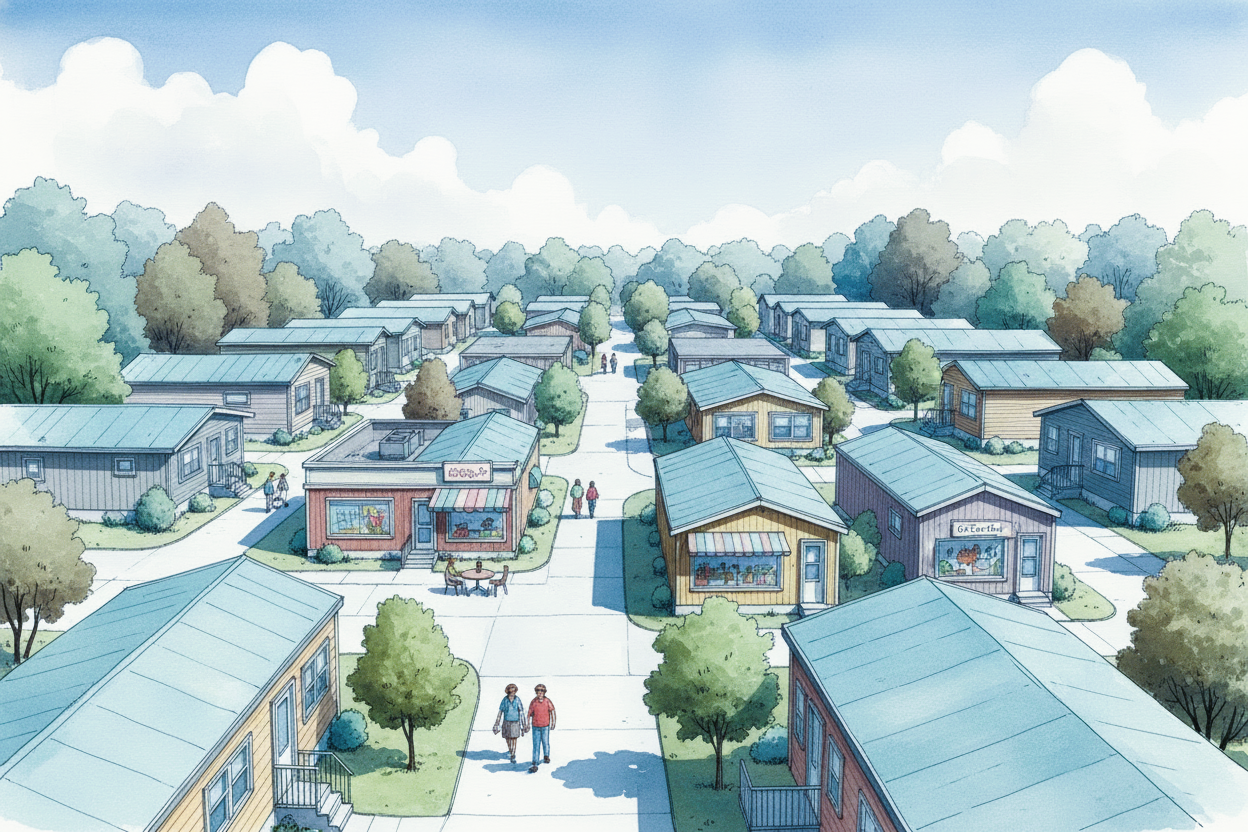
Mor Milo of Relli believes the solution to America’s affordability crisis isn’t building bigger. It’s building smarter, smaller, and farther from metropolitan centers.
America has a housing crisis. The average single-family home costs $500,000, requiring $100,000 down for a property that might generate $1,500 monthly rent. Nobody wins. Buyers can’t afford entry. Renters face rising costs. Developers struggle to make deals pencil. The system is broken.
Mor Milo, co-founder of Relli, sees a solution most operators are ignoring: micro communities built on America’s abundant, underutilized land.
The Problem Isn’t Land. It’s Infrastructure.
“There’s so much land in America. There’s land all over the world in general,” Milo explains. “The issue is that land is so far away from civilization.”
The geographic shift happening in real estate proves his point. While Texas and Florida markets slow down, Midwest markets like Columbus, Indianapolis, and Kansas City show outsized growth. These aren’t traditional powerhouses, but they offer something increasingly valuable: affordability without complete isolation.
Milo’s vision extends this concept further. Build self-contained micro communities anywhere in America, pair them with essential infrastructure (Starbucks, Target, wireless services, power, water), and you create livable ecosystems without metropolitan price tags.
“For those who have the means and capability to build a little micro city that could literally be plopped anywhere in the United States, that’s capable of coming alongside basic things people need, there’s a lot of wonderful nature throughout this country that people can plop these little communities in,” Milo says.
The Capital Unlock
Here’s where Milo’s PropTech platform becomes relevant. These developments need capital. Traditional institutional investors aren’t providing it, they’re focused on debt investments offering comparable returns with less risk. But trillions of dollars in retail capital sits untouched because infrastructure doesn’t exist to connect it with operators.
“We have a huge problem with real estate in the world right now,” Milo notes. “Nobody can afford anything, and most of the people that own property don’t want to sell it. The problem is affordability from an interest rate perspective, a lack of supply, and a lack of capital in the market for operators to flourish.”
Relli’s platform allows average consumers to invest fractionally in real estate developments, starting as low as $100. This democratizes access on both sides: operators gain capital to build, and retail investors gain exposure to real estate returns without buying entire properties.
“Our whole intention behind creating Relli and allowing the average consumer to start financing these types of real estate could be the thing that unlocks the supply issue,” Milo explains. “Operators will have the ability to solicit investment from the average consumer, giving them unbridled access to capital they need to build out supply in the United States.”
Build It and They Will Come
The micro community model isn’t theoretical. The infrastructure for fractional ownership exists. The capital is available. The demand is proven by geographic shifts toward affordable markets. What’s missing is operators willing to think differently about where and how they build.
Two-bedroom, two-bathroom homes selling for $100,000 to $300,000 in well-planned communities with essential amenities could serve first-time buyers, remote workers, and downsizers simultaneously. Add mixed-use elements (retail, recreational, entertainment), and you create sustainable ecosystems rather than isolated subdivisions.
“I think that is an interesting piece that could be an interesting story,” Milo reflects. “I would love to see that on the platform one day.”
For operators willing to embrace this vision, 2026 could mark the beginning of a genuine solution to America’s housing crisis. Not bigger developments in expensive markets, but smarter communities in affordable locations, funded by the very people who need housing most.
To explore investment opportunities or learn about operator services, visit www.relli.coor connect with Mor Milo on LinkedIn.
Disclosure: Individuals or companies mentioned may have a commercial relationship with KeyCrew.
Similar Articles
Explore similar articles from Our Team of Experts.