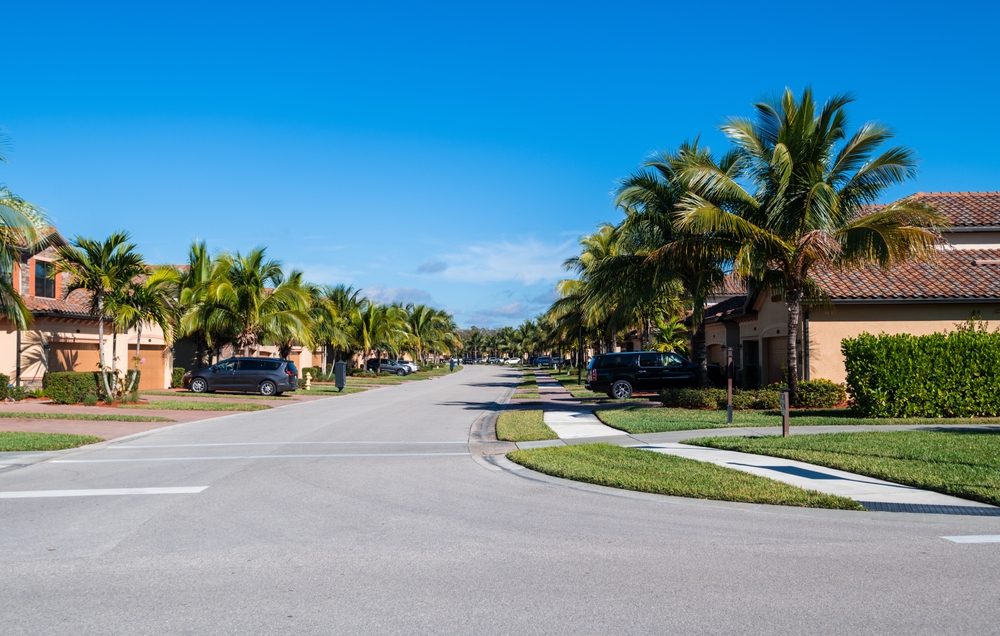
Florida’s retirement communities are entering a new phase, as the frenzied, seller-driven environment of the pandemic gives way to a more balanced market. Nowhere is this transition more visible than in The Villages, the state’s largest and most recognized retirement community. Here, retirees moving from across the country are encountering a market that now favors buyers, offering both new opportunities and challenges that reflect broader changes across Florida’s 55-plus housing sector.
Katy Kelly, a real estate agent at The Katy Kelly Group, specializing in The Villages since 2018, has seen this shift up close. Her experience working directly for The Villages’ developer before moving into sales gives her a clear perspective on both market trends and the specific needs of retirees who are planning major life transitions.
A Clear Shift Toward Buyers
The Villages has moved away from the intense seller’s market of the past several years. The days when buyers routinely paid full price or above, often without contingencies, are over. Instead, buyers now have more leverage. Kelly notes, “It’s definitely leaning a little bit more toward a buyer’s market. There’s an opportunity for buyers to purchase a home and negotiate on price or buy down their interest rate.”
This new dynamic means buyers are taking more time to evaluate homes, compare options, and negotiate terms. Sellers who price realistically and address key maintenance issues are more likely to close deals quickly, while overpriced or neglected homes tend to sit on the market.
The Return of Cash Purchases
Cash transactions, long a staple of The Villages market, are making a comeback after a brief dip during ultra-low interest rates. Kelly explains that most buyers in The Villages are retirees relocating from the Northeast or Midwest — states like Pennsylvania and Michigan — along with some Canadian snowbirds. These buyers usually sell their primary residences in higher-cost markets and use the proceeds to buy in Florida without taking on new debt.
“When interest rates were at their lowest, some people did finance,” Kelly says, “but now we’re back to most buyers using cash from their home sales up north.” These return-to-cash deals give buyers an edge in negotiations and help transactions move quickly, even as the overall pace of sales has slowed from pandemic highs.
Insurance Remains a Manageable Hurdle
Despite headlines about Florida’s shaky homeowners insurance market, Kelly says insurance rarely derails deals inside The Villages. The key is preparation: agents educate sellers on the importance of updating roofs and HVAC systems, which are the main factors influencing insurability and premiums.
“Homeowner’s insurance definitely comes up, but we’re proactive about it,” Kelly explains. When issues do arise, they are usually manageable with repairs or upgrades. Outside The Villages, deals are more likely to fall apart over financing or repair negotiations than insurance.
Investor Activity in Established Neighborhoods
Investor interest remains strong, especially in the rental market. Many retirees prefer to rent part-time rather than buy, often to stay flexible for family reasons or to avoid long-term commitments. This creates steady demand for furnished, move-in-ready properties.
However, Kelly cautions investors against focusing only on new construction. “A lot of investors want to go straight to the newest neighborhoods, but established areas with turnkey homes are extremely popular,” she says. These resale homes often come with lower bond assessments — fees attached to infrastructure in new areas — and are ready for immediate occupancy, making them attractive to both seasonal renters and investors seeking reliable returns.
Luxury Segment Remains Resilient
While entry-level and mid-priced homes have become more negotiable, The Villages’ small but growing luxury segment has held up well. Kelly notes that larger, high-end homes — particularly those with preserve views or over 3,000 square feet — are selling steadily. “Luxury homes are rare in The Villages, but the ones that offer privacy and top amenities have done well recently,” she says.
This resilience aligns with broader trends in Florida, where high-net-worth buyers tend to be less sensitive to interest rates and more focused on location, privacy, and lifestyle features.
Dispelling Persistent Market Myths
Outside observers often misunderstand The Villages market, Kelly says. One common misconception is that buyers can expect rapid, outsized equity gains or treat homes as short-term flips. “It’s not an area where you’re likely to see $100,000 in equity in a year or where flipping is common,” Kelly explains. Most buyers come to stay, not speculate.
Concerns about overcrowding or a lack of available housing are also overstated. The Villages continues to expand, with ample land for new construction and to accommodate incoming residents. We pace development to match demand, so the community stays accessible for newcomers.
How Buyer Behavior Has Changed
Today’s buyers are more methodical and selective than during the pandemic boom. Instead of rushing to make offers, they shop around, wait for the right property, and negotiate more assertively. “They’re making sure they see everything and waiting to see if new listings appear before making a decision,” Kelly says.
This patient approach is a return to pre-pandemic norms, where buyers had time — and leverage — to make informed choices. It also means sellers must be realistic about pricing and willing to address inspection items to secure a deal.
The Outlook for 2026
Looking ahead, Kelly is optimistic about the market’s direction. “It’s been a great start to 2026. There are definitely a lot of buyers out there,” she says. Activity is up compared to last year, and the market appears to be stabilizing at a point where both buyers and sellers can achieve their goals if expectations are realistic.
This balance is likely to continue as more retirees from around the country look to Florida for both full-time and seasonal living. With cash buyers returning, inventory expanding, and sellers adjusting to new realities, The Villages is poised for steady activity rather than runaway price growth or deep slowdowns.
Relationship-Driven Sales in a Life-Transition Market
Kelly emphasizes that success in The Villages is about more than closing deals — it’s about guiding clients through major life changes. “The relationships we build are the most important,” she says. “Sometimes the best advice is to wait or reconsider if it’s not the right time for them.”
This relationship-first approach is especially relevant in retirement communities, where buyers are making decisions that go beyond finances to include lifestyle, health, and family considerations. Agents who prioritize understanding their clients’ goals and provide honest guidance are more likely to build trust and long-term success.
Florida’s Retirement Market
The Villages serves as a bellwether for Florida’s retirement housing trends. The return of cash buyers, increased buyer selectivity, and ongoing development all point to a market that is adapting to post-pandemic realities without losing its core appeal. Investors and real estate professionals watching Florida can see in The Villages how retirement-oriented communities are handling challenges — like insurance and rising costs — while still attracting new residents seeking a better lifestyle.
For buyers, the message is clear: patience, preparation, and a focus on long-term needs will yield the best results. For sellers, adapting to new expectations and presenting homes in move-in-ready condition are key to finding success in today’s market. As The Villages continues to expand and evolve, it offers a clear example of how retirement communities can remain vibrant and competitive even as broader market conditions change.