
In the competitive world of commercial real estate, specialization can be the key to success. For Elyse Welch, Partner at Carolina Retail Experts, that specialization manifested in an exclus...

Pensacola’s Production Builder Surge Redefines Local Real Estate

Written by:
Date:
27 Jan 2026
Share via Facebook

Share via Linkedin

Share via X

Copy to clipboard

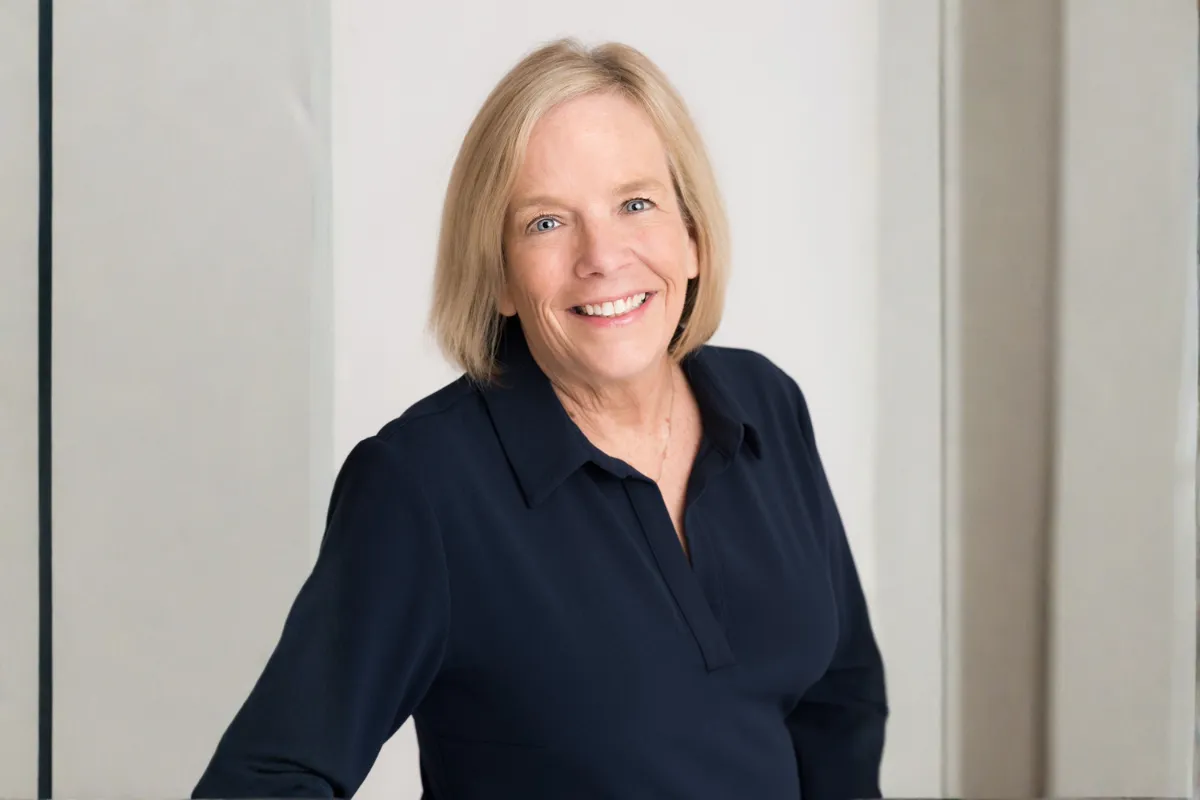
The Pensacola real estate market stands out for its blend of military-driven stability and the growing influence of large production builders, creating unique challenges for agents and homeowners. After twenty years in this northwest Florida market, Kathy Batterton, leader of The Kathy Batterton Team, has seen firsthand how these forces are shaping local dynamics in ways that differ sharply from broader Florida trends.
Batterton began her real estate career as a military spouse seeking stability for her family. “My husband was retiring from the military, and I said, I don’t want to move again. I don’t want to move these kids again. So I started selling real estate,” she recalls. Two decades later, her team primarily serves military officers and their families, offering a close view of changes that often go unnoticed in national analyses.
Production Builder Saturation Pressures Resale Market
The most significant current challenge in Pensacola comes from an oversupply of production-built homes. Large builders have changed the market by constructing nearly identical homes across multiple neighborhoods. These builders attract buyers with aggressive incentives and below-market financing.
They routinely offer 3.99% interest rates on new construction, along with extras like washers, dryers, and blinds. These perks, combined with uniform pricing in the $300,000 to $350,000 range, make new homes difficult for existing homeowners to compete with. Buyers often choose new construction over resale, knowing they can secure lower financing and extra incentives.
This has created a situation where properties just a few years old sit on the market unless sellers are willing to accept a loss or make a significant down payment. Batterton is direct about the impact: when a homeowner calls with one of these two-year-old homes, she tells them to prepare for a slow sale and likely price reductions. “If they can’t offer a strong incentive or absorb a loss, that house will sit,” she says.
Military Stability Anchors Demand
Despite these challenges, Pensacola’s military presence ensures a steady flow of buyers and sellers. The area’s bases generate consistent demand, even as other segments fluctuate. “Military hasn’t changed because we have the same demands at the bases that we’ve always had,” Batterton notes.
The dominance of VA and FHA loans underscores this stability. Most military families use government-backed financing to purchase homes, and USDA rural housing loans are also popular in the surrounding counties. Many properties in Escambia and Santa Rosa counties qualify for 100% USDA financing, which remains attractive to buyers looking to minimize upfront costs.
Rural Migration and Pricing Pressures
Another clear trend is the movement of buyers away from urban centers and toward rural areas. Batterton has seen growing interest in properties outside the city, with more buyers prioritizing space and privacy. “Everybody wants to be in the country, but that country is pushing further and further out in both Escambia and Santa Rosa County,” she observes.
This migration has driven up prices in previously affordable rural communities, creating new competition and changing the buyer profile. As more people seek land and quieter lifestyles, rural listings that once linger are now commanding higher prices and attracting multiple offers.
Insurance Costs Disrupt Deals
Insurance has become one of the most disruptive forces in Pensacola’s market, affecting both affordability and transaction timelines. Property insurers now routinely require upgrades before issuing or renewing policies, especially for roofs and water heaters. “Two years ago, we put on about 30 roofs before closing because insurance companies don’t want to see a roof older than 10 years old. They also don’t want to see water heaters older than about eight years old,” Batterton explains.
For older and historic properties, the situation is even more challenging. Homes built in the 1800s and early 1900s are increasingly difficult to insure, with annual premiums sometimes reaching $9,000 on houses valued at $350,000. These costs force many buyers and sellers to walk away from deals or budget far more for closing than they expected.
Deliberate Pricing and Longer Timelines
The days of rapid-fire sales and multiple offers are gone for most of the Pensacola market. Batterton now counsels sellers to expect more extended listing periods and more frequent price reviews. “It’s not like three years ago, when we’d put it on the market Friday, do an open house Saturday, and I’d come Sunday with all your offers. Those days are gone,” she tells clients.
In segments dominated by similar properties, price competition can quickly spiral out of control. Batterton recalls five identical condos listed, where one price drop triggered a cascade of reductions among the other sellers. As each owner raced to undercut the others, some units failed to sell even after steep discounts. This environment requires a methodical approach, with agents and sellers monitoring the market closely and adjusting prices every few weeks as needed.
Luxury and Waterfront Properties Remain Strong
While mid-market homes face stiff competition from new construction, unique and high-end properties continue to attract strong demand. Batterton recently sold her own waterfront home off-market for $2.8 million, illustrating that buyers still compete for distinctive listings.
“If a property is unusual, if it’s unique, it usually sells with multiple offers,” she says. Waterfront homes, in particular, benefit from limited inventory and the recent national attention on Pensacola Beach, which was named America’s number one beach by Conde Nast. This recognition has drawn more second-home buyers and relocating residents willing to pay premiums for quality and location.
Cash Buyers Focus on Investments
Cash purchases now account for about 24% of local transactions, down from previous years. Most cash buyers are investors targeting condos and second homes, rather than primary residences. “The cash buyers in our area are primarily investors picking up a condo or a second home,” Batterton explains.
For the broader market, government-backed financing remains the norm. VA, FHA, and USDA loans account for the majority of sales, and even conventional buyers rarely put down 20%. This reliance on financing underscores the importance of stable lending conditions for ongoing market health.
Limited New Beachfront Development
Pensacola’s geography and development restrictions add another layer of stability. With most beachfront parcels already built out, future construction is limited to just one or two additional towers. This scarcity supports long-term property values, especially for waterfront and luxury segments.
“Our beach is full. They’re not going to be building much anymore,” Batterton says. The combination of limited supply and ongoing demand from both locals and out-of-state buyers helps insulate the market from the sharp swings seen elsewhere in Florida.
Downtown Revitalization Adds Appeal
Downtown Pensacola has undergone significant revitalization, further enhancing the market’s appeal. Once largely dormant, the city center now features new restaurants, shops, and entertainment, attracting both residents and visitors. “Downtown Pensacola has had a complete rebirth. It’s a cool downtown now. It was dead 15 years ago,” Batterton notes.
The renewed urban core adds diversity to the market, complementing the area’s beaches and military bases. Buyers now see Pensacola as offering a well-rounded lifestyle, with options ranging from historic downtown homes to modern condos and rural retreats.
Market Outlook: Resilience Rooted in Local Factors
Pensacola’s real estate market remains more stable than much of Florida, thanks to persistent military demand, geographic constraints, and the area’s growing reputation as a destination. The influx of production builders has created real challenges for owners of recently built homes, but unique properties, waterfront listings, and rural acreage continue to perform well.
For investors, the market demands careful attention to condo fees, insurance costs, and building conditions, especially in hurricane-affected areas. However, the fundamentals suggest continued long-term resilience.
As national headlines focus on volatility elsewhere in Florida, Pensacola’s experience highlights the importance of understanding local drivers. Production builder saturation has made it harder for some sellers, but the combination of steady demand, limited new development, and lifestyle appeal continues to support prices and attract buyers.
Batterton sums up the market’s character: Pensacola rarely experiences the dramatic booms or busts seen in other parts of Florida. “When you guys start to see prices going down, we know it’ll be a year. We’re a year behind, and it doesn’t crash and burn like some areas.” For buyers, sellers, and investors, Pensacola offers a lesson in how local factors can sustain a market even as broader trends shift.
Similar Articles
Explore similar articles from Our Team of Experts.