
Managing a multi-family property can come with a slew of benefits that you can capitalize on. Sure, the perks are tempting—you’re not just collecting rent; you’re building an e...

Investors Pivot to New Construction as Maintenance Risks Rise in Older Buildings

Written by:
Date:
18 Nov 2025
Share via Facebook

Share via Linkedin

Share via X

Copy to clipboard


The Arkansas investment property market is entering a new phase as rising interest rates reshape what makes deals viable for investors. Jerry Larkowski, Executive Broker at ESQ. Realty Group, says the math for leveraged purchases no longer adds up, forcing a slowdown in activity and a shift in investor priorities. In a recent interview, Larkowski outlined the key factors driving this change and what to expect in the coming months.
“The investors are not quite as active as they were when the interest rates were low,” said Larkowski, who holds both real estate and law licenses and works with over 50 investors across the country. “You can’t put money down on a rent house, duplex, fourplex, or small apartment complex and borrow money at 7.5% or 8% interest when your return is in the fives or low sixes. That math never works. You’re going to lose money every time.”
Compared to the frenzied investor activity of 2021 and 2022, Larkowski now sees a significant contraction in demand from buyers using leverage. Cash buyers currently make up just 10 to 20% of his investor base, a clear sign that high borrowing costs have sidelined many would-be purchasers.
Larkowski points to three main factors shaping the Arkansas investment market: high interest rates, reduced competition, and changing property expectations. The first and most decisive is interest rate arbitrage. Borrowing costs now routinely exceed the returns investors can achieve, making it difficult to generate positive cash flow. “Most of mine want to put a hefty down payment down, borrow the money and try to make it cash flow. And it’s hard to do it at the interest rates that they are now,” he said.
Reduced competition is the second key dynamic. With fewer first-time homebuyers and investors in the market, patient buyers face less pressure and more opportunity to negotiate. “I’ve put the word out: first-time homebuyers are not buying. So there’s no waiting, you don’t line up. This is a good time to buy, because the field is not crowded,” Larkowski noted.
The third factor is a shift in investor expectations. Rather than seeking out value-add projects with major renovation needs, today’s investors want properties that offer immediate cash flow. They are less willing to take on significant capital expenditures just to bring a property up to standard.
Areas of Opportunity
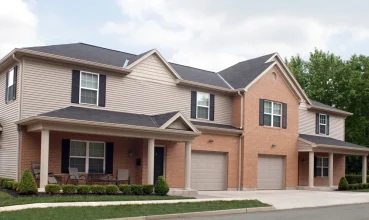
Despite the challenges, Larkowski identifies new construction multifamily properties as a standout opportunity in the current environment. “Nothing gets investors moving more quickly than brand new construction, especially of multifamily, because they know their insurance rates are going to be lower,” he said.
Beyond lower insurance costs, new construction offers operational simplicity. “They know they’re not going to have to have plumbers and electricians on speed dial. They know issues will happen from time to time, but they’re not buying something that will need attention every two to three months.”
Challenges and Concerns
Larkowski highlighted deferred maintenance as a major concern with existing multifamily buildings. Many landlords have postponed necessary repairs, opting for temporary fixes rather than addressing root problems. “A lot of landlords just plug leaks when the leak arises, rather than get ahead of the game and try to prevent the leaks from happening, and so you’ve got a bunch of patchwork,” he explained.
This approach leads to long-term costs that sophisticated investors factor into their decisions. “Over time, you have all this deferred maintenance, and if you don’t fix it, they’re going to have to fix it.”
Strategic Recommendations
For those navigating today’s market, Larkowski recommends focusing on cash purchases or accepting lower initial returns with an eye toward refinancing when rates improve. “If the numbers aren’t just really sexy right now, it will get better soon. But because they’re quiet and they’re staying home, this might be a chance for you to get in and get something.”
He also points out that reduced competition allows buyers more time for due diligence and better leverage in negotiations, potentially leading to stronger deals.
Looking Forward
Looking ahead, Larkowski sees new construction multifamily development as the central trend for Arkansas investors. “New construction is the answer,” he said, emphasizing that investors want properties where they can “invest their money, fill it up and let it sit, and then look at it in six months or a year, and make moves after that.”
This focus on new construction aligns with investor demand for predictable cash flow and minimal operational headaches in a market where high financing costs require maximum efficiency. As interest rates remain elevated, the Arkansas investment landscape will likely continue to reward those who prioritize stability, simplicity, and long-term planning.
Similar Articles
Explore similar articles from Our Team of Experts.