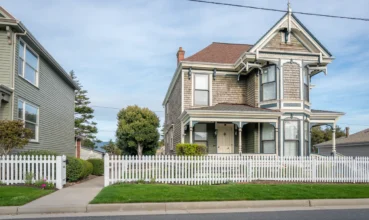
After years of New York City dominating the regional real estate conversation, the balance is shifting. While Manhattan rents remain high and city listings linger with price cuts, a growing number of tenants and buyers are choosing the suburbs over urban centers and finding compelling reasons to stay.
“We’re seeing a major shift of people from outside the boroughs coming to the suburbs,” says Jason Horowitz, broker of record at Triforce Commercial Real Estate LLC, who operates across New York, New Jersey, Delaware, and Pennsylvania. The longstanding assumption that Manhattan is the default destination for businesses and renters is giving way to a new set of calculations and priorities.
What Draws Tenants to Suburban
Cost is the most immediate draw. Retail tenants in Manhattan routinely face rents of $120 per square foot or more, according to Horowitz. Similar spaces in Rockland or Westchester counties, NY, can rent for $25 to $35 per square foot, with some deals going lower depending on the property and market conditions. In an environment of higher inflation and tighter margins, this price gap is driving companies and individuals to reconsider their location decisions.
Cost alone, however, does not fully explain the shift. The rise of remote and hybrid work has significantly reduced the importance of a city address. Horowitz points out that many professionals now hold meetings virtually and visit the office only occasionally. “People are realizing they don’t need a New York City address anymore,” he says. When clients and employees visit just once a month, paying a premium for a central location is harder to justify.
Rising construction and build-out costs are also pushing tenants to look outside the city. Outfitting a new office or retail space requires a significant upfront investment in materials, labor, and specialized systems such as HVAC. Tenants who once absorbed these costs in exchange for a Manhattan address are now asking why they should spend $200,000 or more on a build-out and still pay top-tier rent, according to Horowitz. For many, the answer is clear: the suburbs offer more flexible landlords and easier deal negotiations.
Suburban Landlords Adapt Quickly
Landlords in suburban markets are not just benefiting from increased interest. They are actively adapting to attract new tenants. Many now offer rent concessions such as free months at the start of a lease, stepped rent increases that phase in over time, or tenant improvement credits to offset build-out expenses. These incentives lower the barrier to entry for businesses that might previously have defaulted to city locations.
“Landlords don’t want to sit with a vacant space, but they might not want to front the cost for a build-out either,” Horowitz explains. The result is more negotiation and creative deal-making, with both parties working to share costs and reduce risk.
Industrial and warehousing businesses are also relocating to the suburbs, where they can secure larger spaces at lower cost. Companies that once paid premium prices in the Bronx for limited square footage are now expanding in Rockland County, NY, and similar markets, taking advantage of lower costs and more flexible landlords. Renters and small investors are seeing similar benefits. Suburban markets offer more value at the same or lower price, greater flexibility in lease terms and property types, and greater landlord willingness to negotiate on improvements and move-in schedules.
Manhattan Landlords Face Competition
Manhattan and other dense urban markets are not in crisis. They are, however, facing real competition for tenants and buyers. The old pattern, where anyone seeking space in the New York region had little choice but to pay city prices, no longer holds. As more tenants and buyers opt for the suburbs, urban landlords are reconsidering their strategies.
Some Manhattan landlords are responding with tiered rent programs, longer lease terms with built-in concessions, and other incentives. These measures aim to retain tenants who might otherwise leave and to make city spaces more competitive with suburban options. Landlords who remain rigid on pricing or lease structure risk losing tenants to more flexible suburban competitors.
Tenant expectations are also shifting. Tenants are more likely to question value for money and less willing to pay a premium for location alone. This is putting pressure on urban landlords to compete not just on address, but on value, amenities, and tenant support.
Why the Shift Matters
The timing of this shift is significant. After a decade of strong urban growth, elevated costs, changing work habits, and a more cautious approach to spending have opened the door for suburban markets to compete directly with the city. The pandemic accelerated remote work and made it clear that many businesses and individuals can thrive without a Manhattan address. Rising inflation and construction costs have further tipped the scales.
For tenants, buyers, and small investors, the suburbs are no longer just a fallback option. They are increasingly the logical, cost-effective choice. Lower rents, more space, and greater flexibility are drawing people and businesses from the urban core into suburban markets that offer tangible value. As Horowitz puts it, “Addresses don’t mean as much as they used to.”
Suburban Demand Outlook
The suburban surge is not a temporary reaction. It reflects bigger changes in how people and businesses make real estate decisions. As remote work remains common and cost pressures persist, the competitive advantage of urban locations is eroding. Suburban landlords who continue to offer better deals and more flexible terms are likely to see sustained demand.
For Manhattan landlords, the challenge is clear: adapt to new expectations or risk losing tenants permanently. The era when Manhattan could rely on its reputation alone is over. In 2026, the real estate dynamic is being redefined, and the suburbs are pulling ahead.
About the Expert: Jason Horowitz is broker of record at Triforce Commercial Real Estate LLC, serving clients across New York, New Jersey, Delaware, and Pennsylvania. Horowitz specializes in multifamily, retail, industrial, and niche market segments, including cannabis and student housing, across the New York metro area.
This article is based on information provided by the expert source cited above. It is intended for general informational purposes only and does not constitute legal, financial, or real estate advice. Readers should conduct their own research and consult qualified professionals before making any real estate or financial decisions.