


Julie Moraitis had a problem most real estate agents would love to have – too many referrals. As an associate broker with eXP Realty and founder of the Luxe Group, her lead generation ...

Building An Advocacy Infrastructure for Brokers That Actually Works

Written by:
Date:
19 Nov 2025
Share via Facebook

Share via Linkedin

Share via X

Copy to clipboard

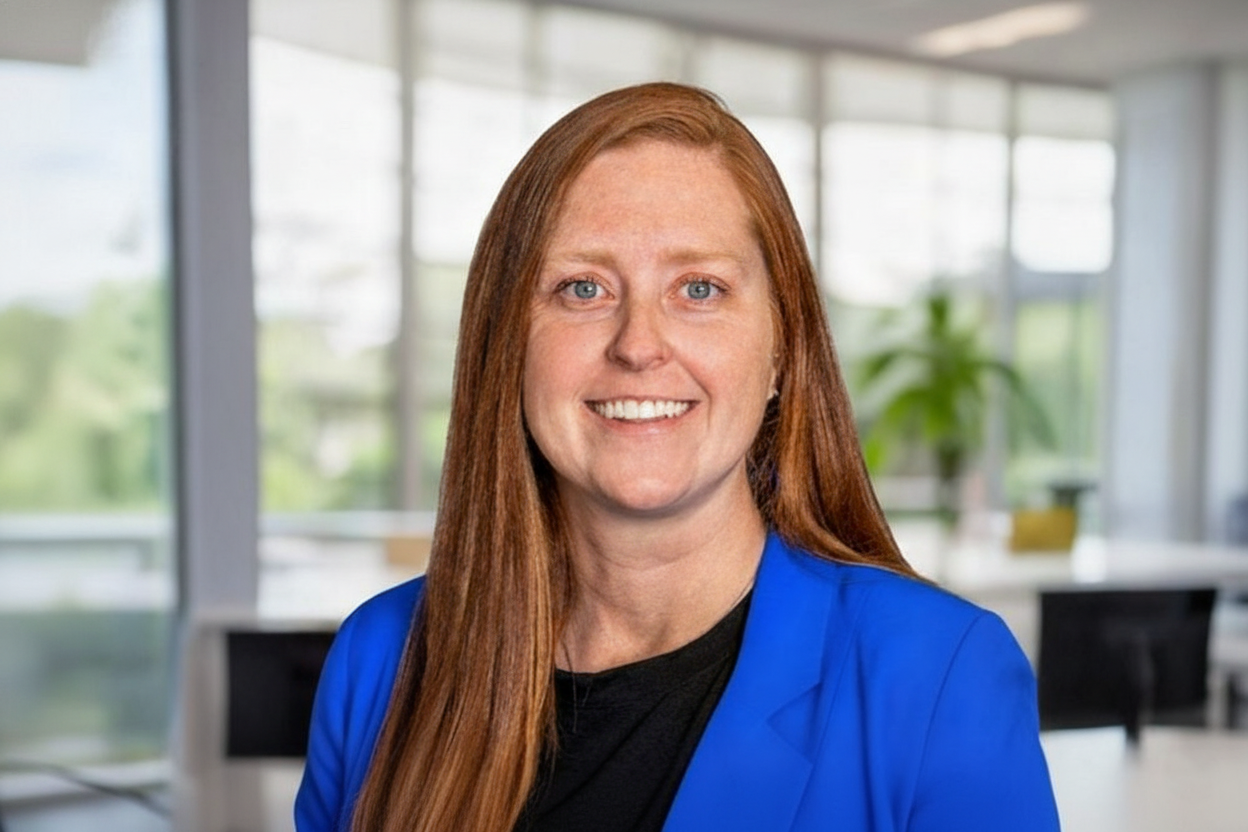
When Rachel Clark became Executive Director of the Broker Action Coalition (BAC) earlier this year, she stepped into an organization with established advocacy efforts and a clear mission.
The groundwork had been laid by previous leadership – brokers were engaged, campaigns were underway, and relationships with policymakers were developing. What 2025 brought was the momentum needed to push key initiatives across the finish line.
The trigger leads legislation that passed this year exemplifies this trajectory. Years of education, relationship building, and coalition work by multiple BAC leaders created the conditions for success. Clark’s role has been shepherding these efforts through their final stages while strengthening the organizational infrastructure to sustain long-term advocacy capacity.
The Geography Challenge
Mortgage brokers operate locally but face federal regulations, creating natural tensions between local concerns and national advocacy priorities. “Dealing with so many brokers across the country, they have so many issues they feel is the most important issue,” Clark explains. “It’s hard to take an issue that maybe a broker is having in Florida and dedicate our time and energy to it.”
BAC’s solution involved member-driven priority identification rather than leadership intuition. The trigger leads campaign emerged from overwhelming member response, ensuring advocacy resources aligned with actual practitioner priorities rather than abstract policy preferences.
Building Credibility Through Local Connection
BAC’s strategy emphasizes the unique value proposition mortgage brokers bring to policy discussions: direct community connection. “Mortgage brokers typically do loans in the place that they live. So we’re in this community. We know the people, we know the challenges that they’re facing,” Clark says.
This local connection provides credibility that larger financial institutions often lack. When BAC representatives meet with policymakers, they speak directly about constituent impact rather than relying on data analysis or theoretical projections.
Coalition Building Without Compromise
Working with larger industry organizations while maintaining independence requires strategic balance. Clark describes BAC’s approach: “We can come to the table with our thoughts, with our solutions, and work to bring something out that benefits the whole mortgage channel.”
The trigger leads campaign illustrated this dynamic. While many brokers initially preferred complete prohibition, broader coalition building required compromise positions. “We had to find that common ground that still makes everybody happy, but we still all win.”
Managing Political Timelines
One significant challenge involved member education about political processes. When legislation had to be reintroduced in a new congressional session, many interpreted this as failure rather than normal procedure.
“When we would start this year, the conversation inevitably was like, what happened with trigger leads? And somebody would say, trigger leads died,” Clark recalls. This required ongoing civic education alongside policy advocacy.
BAC learned that sustainable advocacy requires helping members understand normal legislative processes rather than interpreting routine delays as organizational failure. “Three years was not slow for government time. We should really be saying, hey, it only took us three years.”
Technology Meets Traditional Politics
BAC combines modern coordination tools with traditional political engagement. Their letter-writing campaigns use technology to simplify member participation while maintaining personal constituent communication that legislators value.
“We’re setting everything up with easy couple of clicks for brokers where they can send a letter to their representatives directly from our website,” Clark explains. This preserves authenticity while reducing participation barriers.
The Expertise Model
Rather than expecting universal member engagement on all issues, BAC focuses on connecting knowledgeable practitioners with policy development. “We want to find those people in our broker community and in our wholesale lenders who know what LO Comp really means, what the rule looks like, and what we really want to change.”
This approach recognizes that effective advocacy requires identifying and coordinating those with relevant expertise while making it easy for others to contribute when possible.
Sustainable Funding Strategy
The most challenging aspect involves convincing members to invest in collective action when returns are uncertain and delayed. Clark uses an insurance analogy: “The BAC is like an insurance policy for your business. We are here fighting for you, for things that you might not care about, might not know, but will affect your business.”
This framing acknowledges that advocacy benefits are often invisible until they prevent problems that would otherwise occur.
Future Infrastructure Vision
Looking ahead, Clark envisions expanded capacity: “Success for the BAC looks like a strong state captain program with individuals in every state shouting the message the BAC has put out there.”
This infrastructure vision recognizes that advocacy effectiveness depends on consistent presence rather than sporadic mobilization around specific issues.
BAC’s experience demonstrates that professional associations can build effective advocacy capacity through member-driven priorities, local credibility, strategic coalition building, realistic timeline management, and sustainable funding models that frame advocacy as essential business protection.
Rachel Clark serves as Executive Director of the Broker Action Coalition, transforming a startup advocacy group into a recognized industry voice through systematic infrastructure development and strategic political engagement.
Disclosure: Individuals or companies mentioned may have a commercial relationship with KeyCrew.
Similar Articles
Explore similar articles from Our Team of Experts.




West Palm Beach Just Became America's Top Cash Real Estate Market - Larry Mastropieri Breaks It Down
Larry Mastropieri of The Mastropieri Group breaks down the forces behind South Florida’s cash-buyer surge – and what it means for buyers and sellers today. West Palm Beach has ea...

