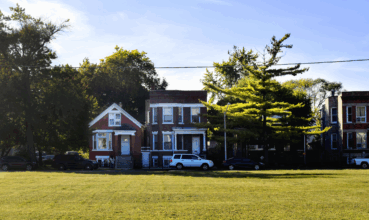
A significant shift is occurring in second home markets, with buyers increasingly viewing these purchases as long-term lifestyle investments rather than pure vacation properties, according to one Florida real estate expert. “I’m seeing a lot of the out-of-state buyers that are moving in buying their second homes to be their forever homes come retirement, so they can buy them now, enjoy them part time for a little while knowing they’re closer to retirement,” says Angie Heitzer of Summer House Realty.
The Evolution of Second Home Buying
This trend represents a marked departure from traditional second home purchasing patterns. According to Heitzer, today’s buyers are taking a more strategic approach, planning years or even decades ahead for eventual full-time residency.
“Almost all out of state,” Heitzer says of her current buyer pool, noting that these purchases reflect careful long-term planning rather than impulse buying or pure investment plays.
The shift in buyer motivation is reshaping both financing patterns and property management priorities. Heitzer notes that larger down payments are becoming increasingly common as buyers commit to homes for the long term rather than viewing them as temporary investments. Cash transactions are also on the rise, reflecting both stronger buyer confidence and competition for desirable properties.
At the same time, purchasers are placing greater emphasis on property condition, seeking move-in-ready homes that require minimal maintenance. Finally, there is a growing focus on community amenities, with buyers prioritizing access to lifestyle features that support permanent residency rather than short-term vacation use.
“We are seeing more cash. And we’re seeing in our area, bigger down payments,” Heitzer notes, suggesting buyers are taking a more conservative financial approach to these purchases.
Community Integration
Unlike pure vacation home buyers, these future permanent residents are showing greater interest in community integration. “It is not just another neighborhood,” Heitzer says, describing how buyers are increasingly drawn to areas with strong community ties and unique local culture.
She highlights several community features that are proving especially attractive to these long-term buyers. Active social groups help newcomers quickly build connections, while a steady calendar of cultural events fosters a sense of belonging and engagement. Recreational opportunities enhance the lifestyle appeal, encouraging residents to stay active and invested in their surroundings. Perhaps most importantly, the availability of year-round activities transforms these communities from seasonal getaways into vibrant, full-time living environments.
This evolving buyer mindset is changing the market in several ways. Properties are being held for longer periods as buyers look for homes that can serve them for decades rather than as short-term investments. Condition and maintenance standards have become more critical, with purchasers seeking turnkey residences that require minimal immediate work. Communities offering strong amenities are seeing heightened demand. And underlying it all is a renewed focus on long-term market stability, as today’s buyers prioritize enduring value and quality of life over speculative gains.
However, this trend faces some headwinds. “Property tax costs are sometimes cost prohibitive. It really can make people not be able to buy here,” Heitzer says, noting that rising insurance costs and property taxes can impact long-term affordability calculations.
Looking Forward
The trend toward “buy now, move later” appears sustainable, according to Heitzer, particularly in communities that offer distinctive lifestyle advantages. However, she suggests that success in this market requires careful attention to both immediate and long-term considerations.
For communities and developers, this shift signals a clear need to adapt to evolving buyer expectations. Enhanced community amenities are becoming essential for long-term appeal. Strong local cultural programming helps create a sense of belonging and sustained engagement among residents. At the same time, sustainable development practices are no longer optional but a key differentiator for environmentally conscious buyers. Finally, long-term infrastructure planning ensures that growth remains balanced, resilient, and aligned with the lifestyle priorities of today’s homeowners.
The evolution of second home buying from pure vacation or investment properties to planned permanent residences represents a significant shift in market dynamics, one that may reshape how communities develop and how properties are marketed and maintained.
Institutional investment firms are significantly reducing their minimum deal size requirements in South Florida’s industrial market, with thresholds dropping from over 100,000 square feet ...
WESTLAKE VILLAGE, Calif., August 28, 2024 (Newswire.com) – Today, Wonderland Escrow, one of the largest independent escrow companies in Southern California announced the acquisition of...
All Things Off Grid – Lithium Prismatic Cells for DIY Energy Storage All Things Off Grid – DIY Lithium Battery Pack for Off Grid Energy Storage All Things Off Grid Offering Affor...
The residential real estate market in Fort Lauderdale is facing a combination of rising housing costs, increased regulatory compliance expenses, and growing consumer debt, all of which are c...
BUCKEYE, Ariz., June 20, 2024 (GLOBE NEWSWIRE) — LGI Homes, Inc. (NASDAQ: LGIH) announced the opening of its newest community in Buckeye, Arizona. Mayfield offers homebuyers affordable...
As affordable housing challenges grow across American cities, DePaul University’s Institute for Housing Studies (IHS) has developed an effective model where research directly informs r...