
Bakersfield’s housing market sits in an unusual position for California: median prices around $400,000, rising inventory, and builders actively offering credits and rate buydowns to at...

The Generational Wealth Transfer Shifts New York's Luxury Real Estate Market

Written by:
Date:
25 Sep 2025
Share via Facebook

Share via Linkedin

Share via X

Copy to clipboard

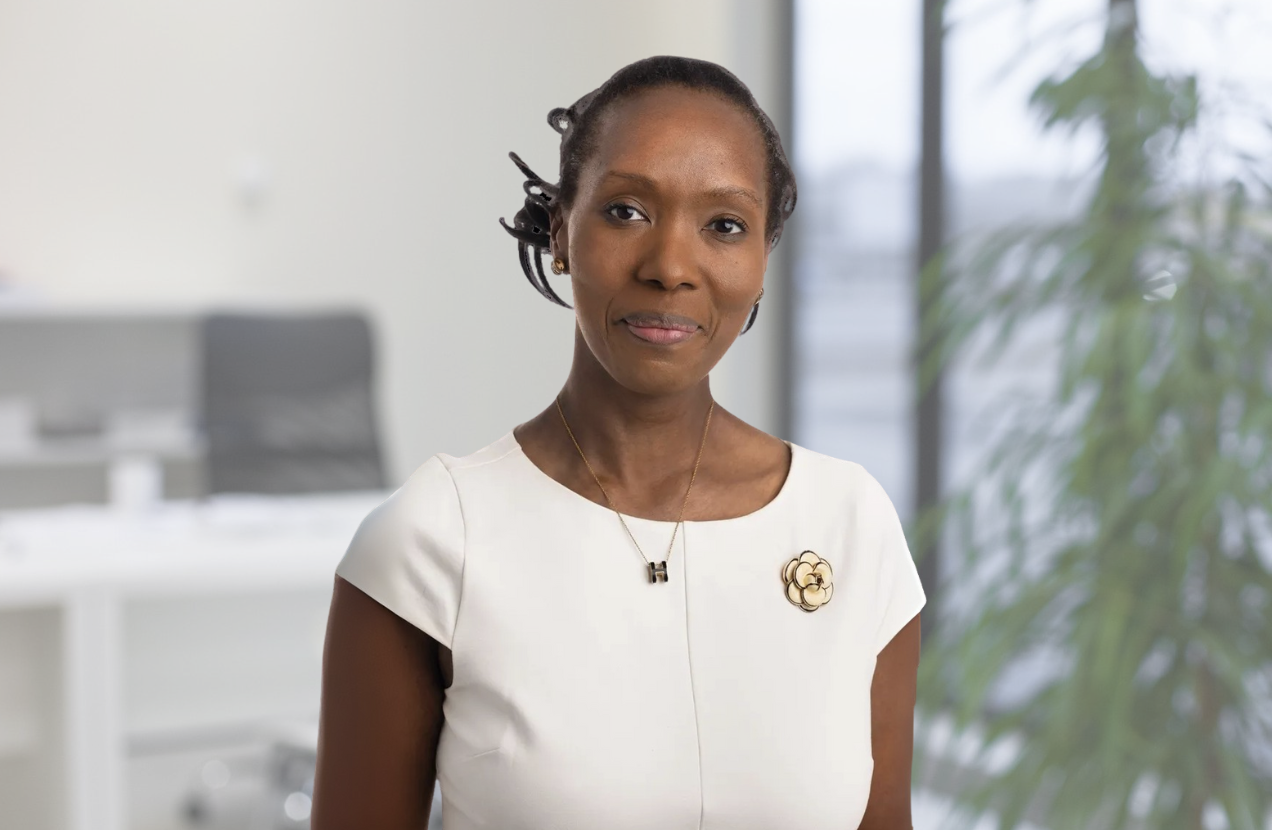
The luxury real estate market is experiencing a significant shift as generational wealth transfers accelerate across multiple fronts. From baby boomers moving to assisted living to Gen X professionals embracing nomadic lifestyles, these demographic changes are creating new investment patterns and market dynamics that extend beyond traditional trophy asset accumulation.
Nicole Beauchamp, Licensed Associate Real Estate Broker and Senior Global Real Estate Advisor at Sotheby’s International Realty, has observed this change firsthand through her Manhattan-based practice. With nearly 25 years in the industry and a background spanning tech and finance, she has developed a unique perspective on how data-driven insights intersect with evolving client needs.
“I work with a lot of family offices and people who are buying as investment,” Beauchamp explains. “Of late, I seem to have fallen into a wonderful pattern of helping as generations are shifting, the parents who are maybe selling because downsizing or going into assisted living, or the kids, and that requires an extraordinary amount of patience for generational dynamics.”
The Multi-Faceted Nature of Wealth Transfer
While much attention focuses on the traditional intergenerational transfer from parents to children, Beauchamp observes that wealth redistribution is occurring within generations as well. The “silver tsunami” of gray divorces continues to influence market dynamics, though perhaps less visibly than in previous years.
“There’s the intergenerational transfers that are happening, whether divorces or separations and the division of assets,” she notes. “I have clients who have figured out ways to never have to live in the same place at the same time. They’re not getting a divorce because they have deemed that to be too expensive, but they have enough assets that they can figure out how to not have to live in the same place at the same time.”
This trend reflects a broader shift: affluent individuals now view real estate as a tool for lifestyle optimization and risk diversification, not just investments or primary residences.
Strategic Asset Positioning Over Trophy Accumulation
The traditional model of luxury real estate investment, acquiring increasingly expensive trophy properties, is giving way to more strategic approaches. Beauchamp’s clients are showing a preference for portfolio diversification across multiple markets and price points.
“Maybe you’re not buying the $40 million property, but maybe you are acquiring multiple $500,000 properties in multiple locations,” she explains. “I don’t need to manage a large property, but I’m happier having more smaller properties in different locations that I either enjoy because there’s a personal connection or something that relates to my interests.”
This represents both practical and lifestyle considerations. Smaller properties in multiple locations offer greater flexibility and reduced management complexity, along with geographic diversification against market downturns.
The appeal extends beyond pure investment strategy. “You may want to spend two months of the year in Phuket,” Beauchamp observes. “Why not? You’re accomplishing multiple goals as you acquire additional assets.”
Technology Integration Enhancing Client Service
Beauchamp’s background in technology and finance has positioned her well to leverage artificial intelligence and predictive analytics in serving her sophisticated clientele. Rather than replacing human interaction, she views AI as a tool for enhancing personalized service.
“I am a big believer in micro-targeting your communications to your audience,” she explains. “I will take my core idea and ask AI to help me reframe based on the audience. Instead of spending hours doing this for each micro-niche of my database, I can accomplish that in less than an hour.”
This allows her to maintain high-touch, relationship-driven service that family offices and high-net-worth individuals expect while operating more efficiently. Technology enables more personalized attention, redirecting time savings toward deeper client relationships.
The Gen X Factor in Market Dynamics
A particularly interesting demographic driving current market activity is Generation X, especially those in their 50s and early 60s who have achieved financial success and are reassessing their lifestyle priorities.
“There’s a generational cohort in Gen X that, if you have the ability and you can work remotely or own your own business that isn’t based in one location, you are choosing to live differently,” Beauchamp notes. “A lot of that became more approachable as we came out of the pandemic.”
This group represents a sweet spot in the market: they have sufficient wealth to support multiple properties, maintain physical health to enjoy travel, and possess the flexibility to work remotely. The pandemic normalized location independence for many, making the nomadic lifestyle more socially acceptable.
“I have friends who are like, ‘We’re in our 50s, we’re in our early 60s. We are healthy enough to go and do some of these things we’ve always thought about. If we wait another 10 years, we might not have the physical ability. If not now, when?’”
Market Implications and Professional Adaptation
These generational shifts require real estate professionals to adapt their approach significantly. Beauchamp emphasizes the importance of data literacy in serving sophisticated clients who often have access to the same market information as their agents.
“You have to have a really firm grasp on the data so that you can always have the conversation with the client,” she explains. “The last thing you need is someone saying, ‘I was looking at Zillow, and Zillow said the property should be worth whatever outlandish number.’ I’m able to come back with proprietary data driven insights and say, ‘Here’s what’s going on in the market right now. Here’s where bids are coming in.’”
The complexity of generational wealth transfers also demands exceptional patience and interpersonal skills. Transactions involving multiple family members or life transitions can take weeks or months, requiring agents to navigate challenging family dynamics.
Looking Forward
The convergence of generational wealth transfer, technological advancement, and changing lifestyle preferences is creating a more complex but potentially more rewarding luxury real estate market. Success in this environment requires professionals who can combine data expertise with relationship management skills, leveraging technology to enhance rather than replace human connection.
For investors and real estate professionals, understanding these demographic shifts provides insight into emerging opportunities. The trend toward smaller, diversified holdings across markets suggests growing demand for mid-tier luxury properties in desirable locations, while lifestyle-driven purchases mean amenities and location may become increasingly important relative to pure investment metrics.
As Beauchamp’s experience demonstrates, the most successful professionals in this evolving market will be those who can serve as both data analysts and relationship counselors, helping clients navigate not just market conditions but the complex personal and family dynamics that drive major real estate decisions during this period of unprecedented wealth transfer.
Similar Articles
Explore similar articles from Our Team of Experts.